
Last updated November 16, 2026
 Whole-home duct cleaning
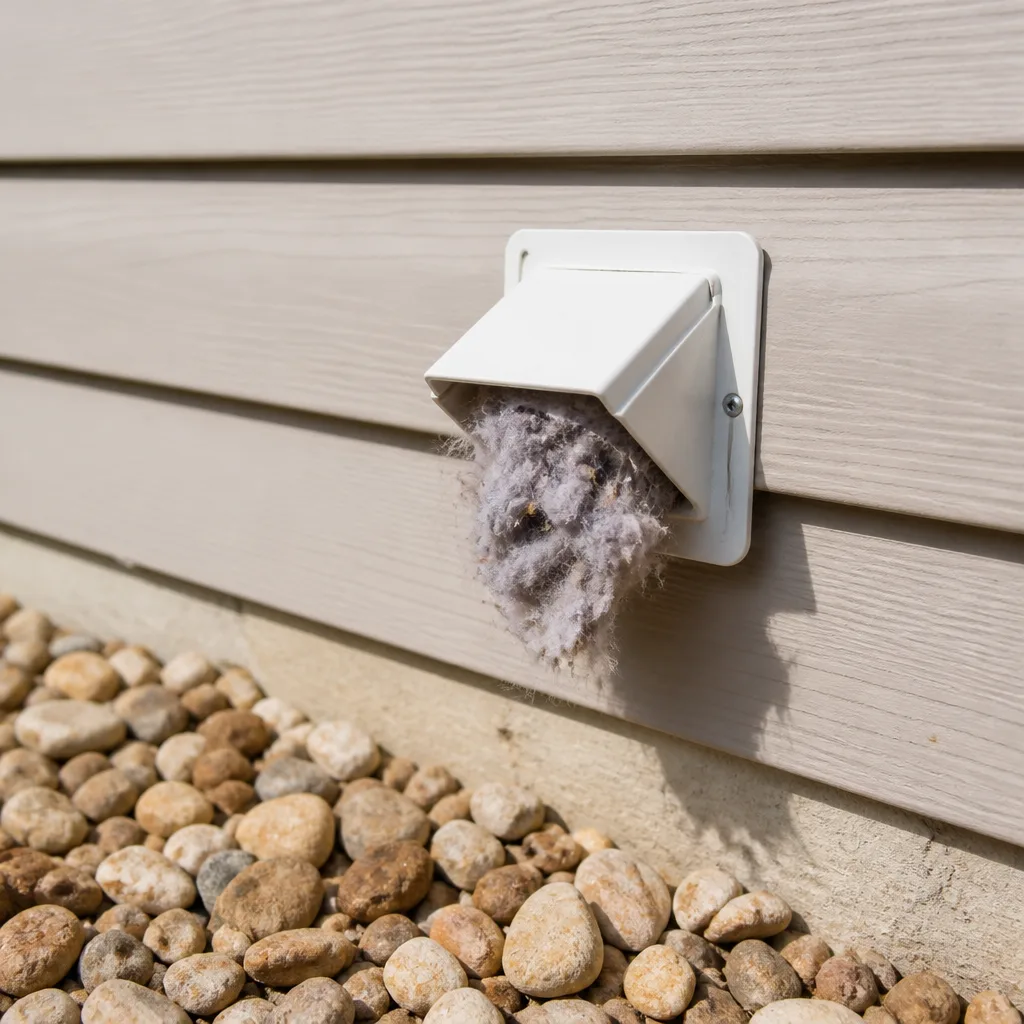 Dryer vent cleaning
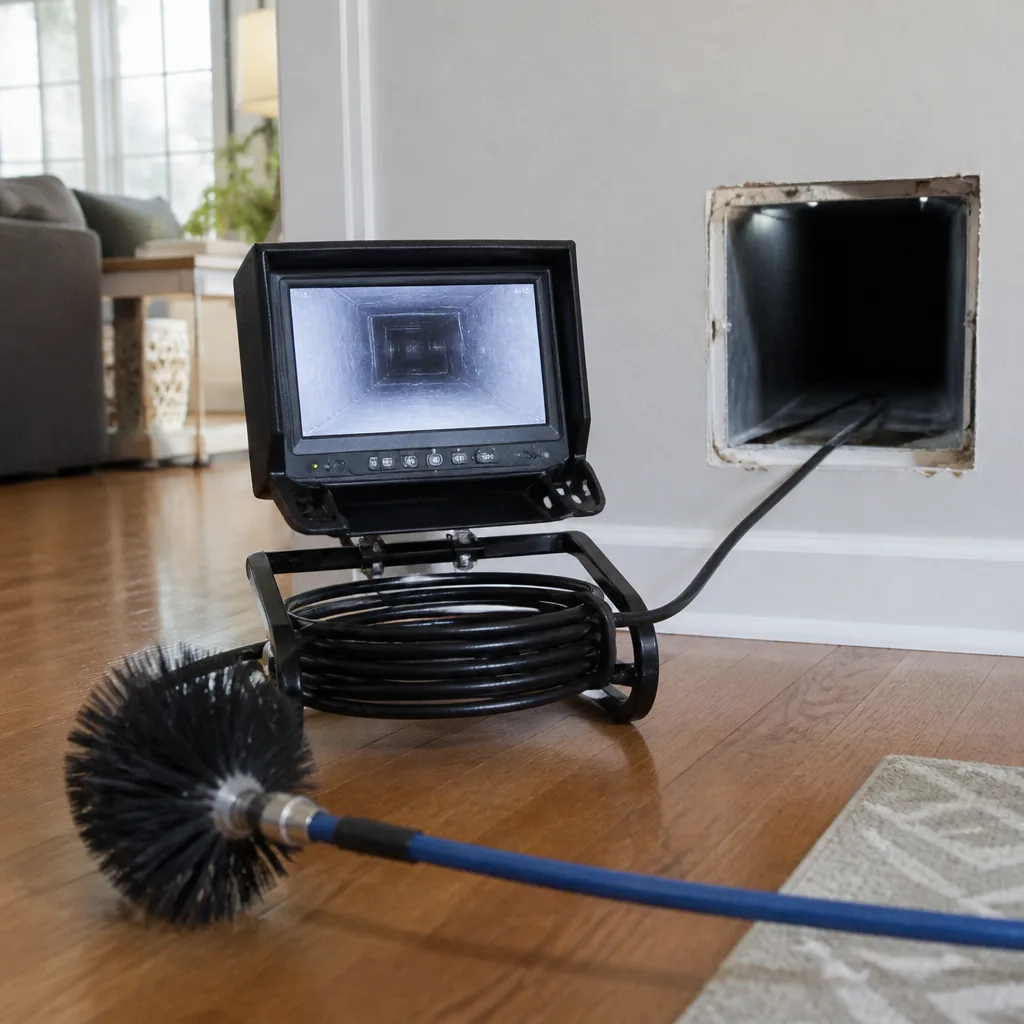 Camera inspection
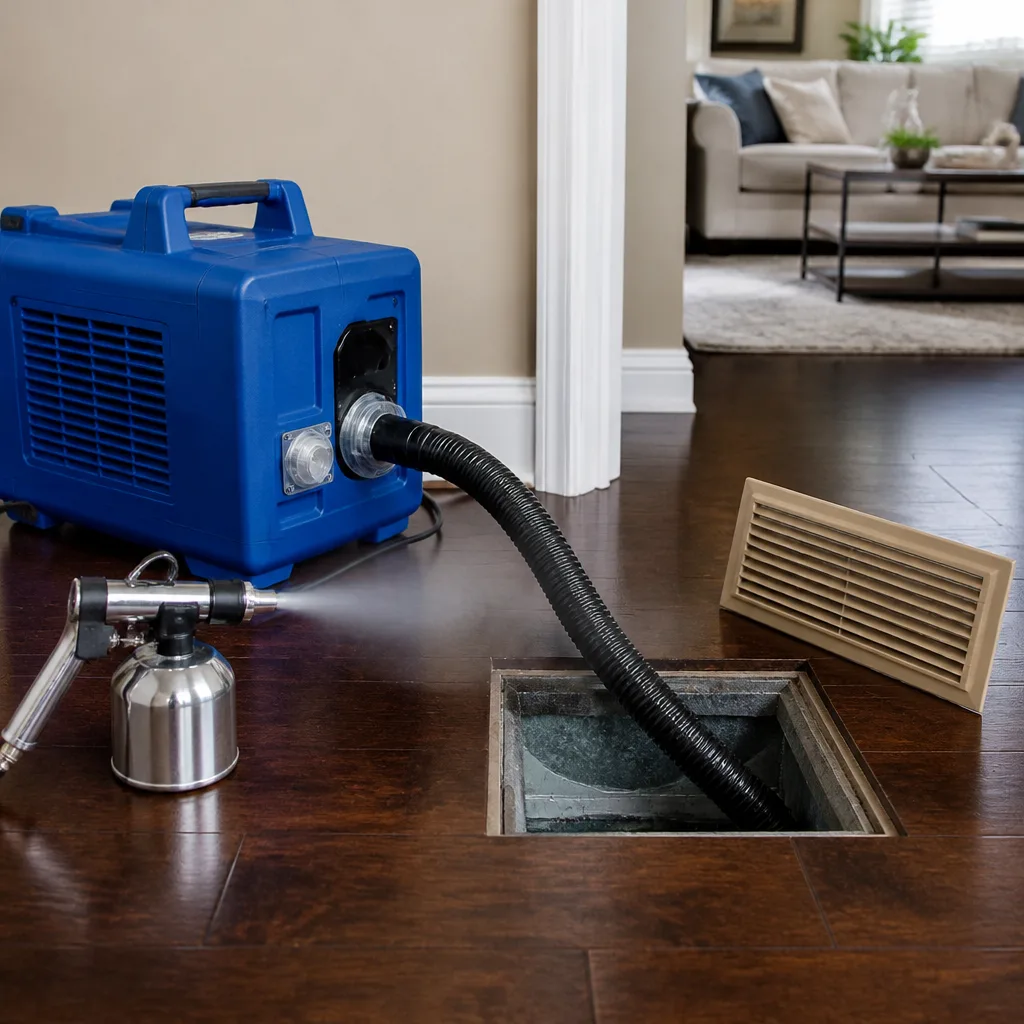 Sanitizing & deodorizing
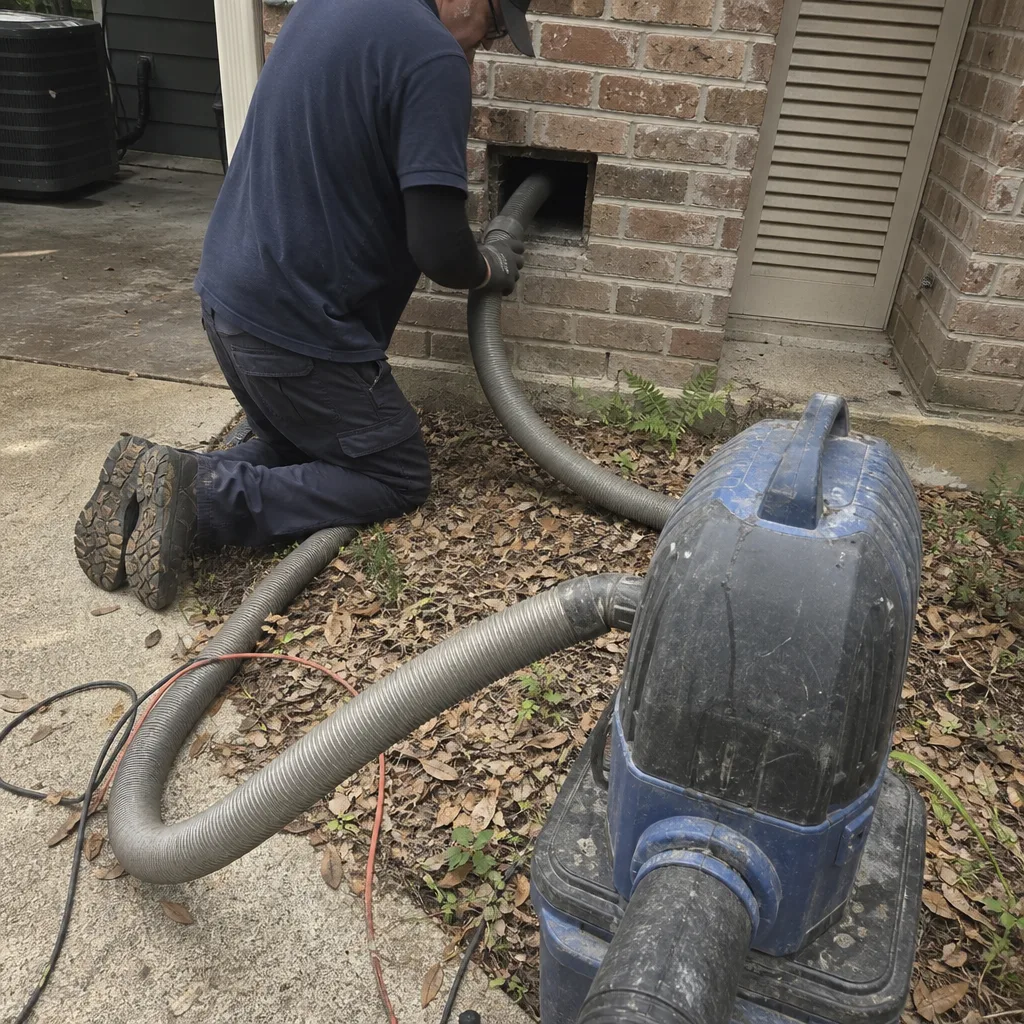
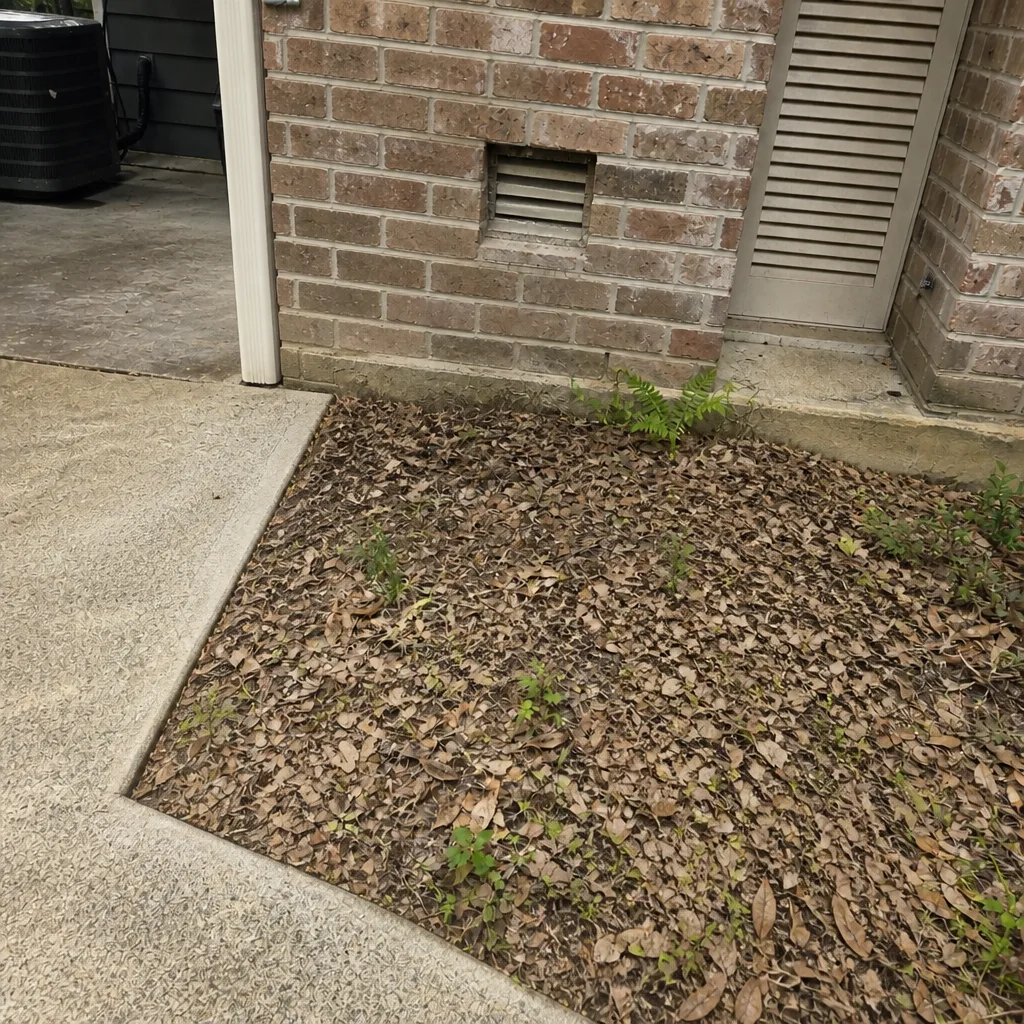
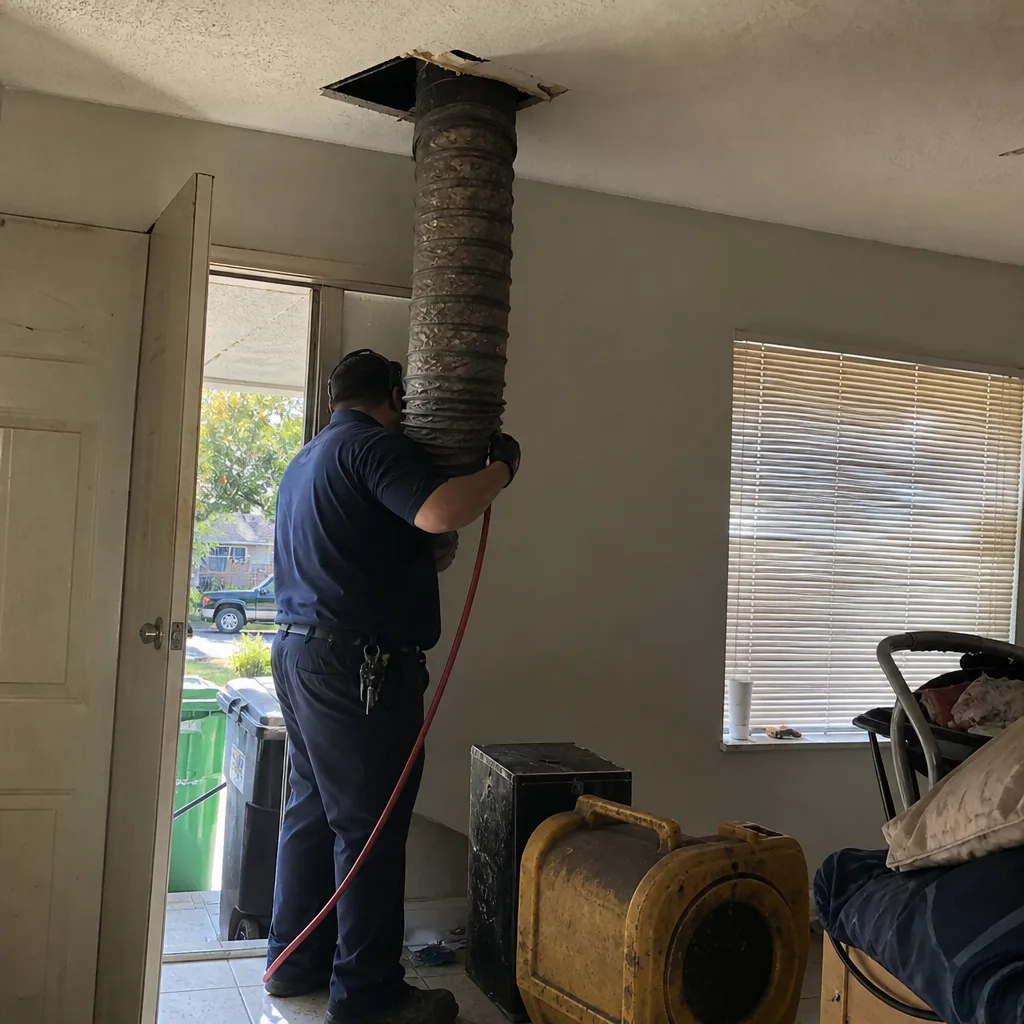
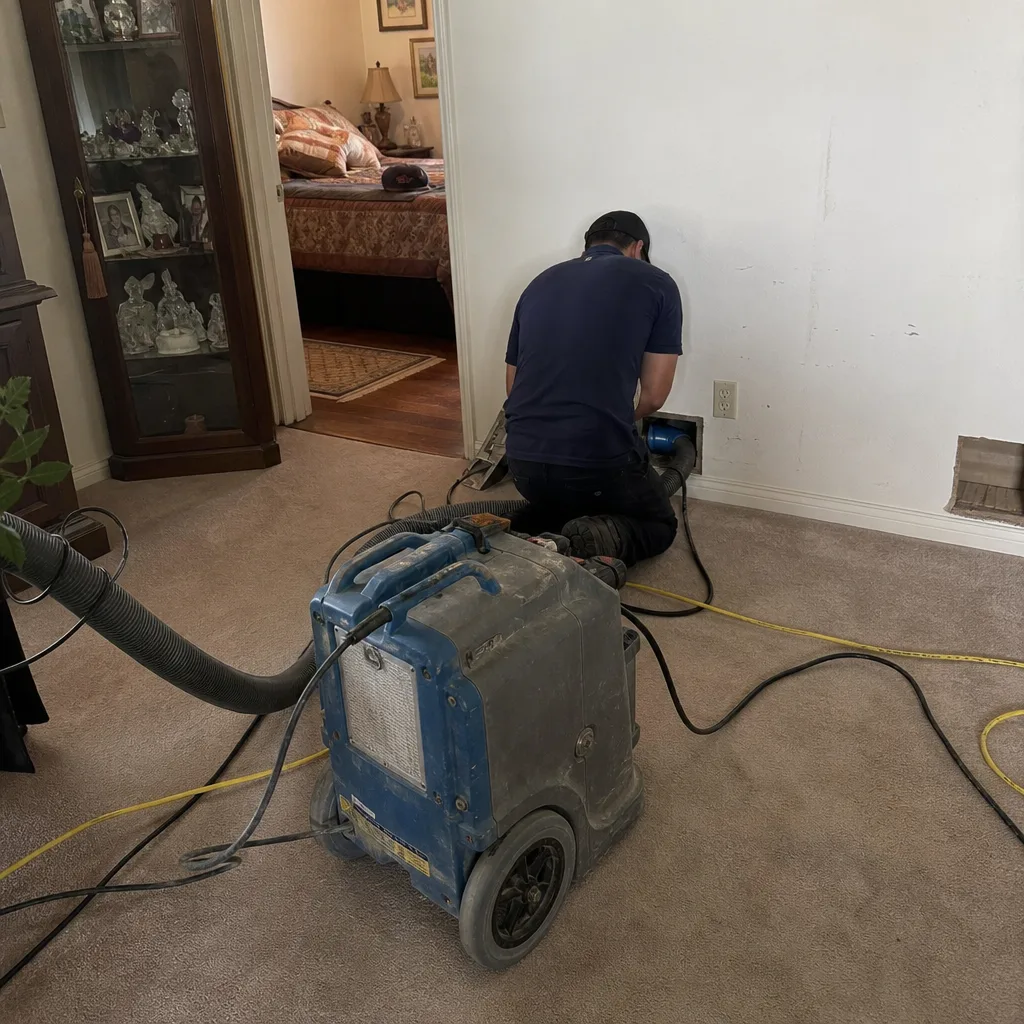
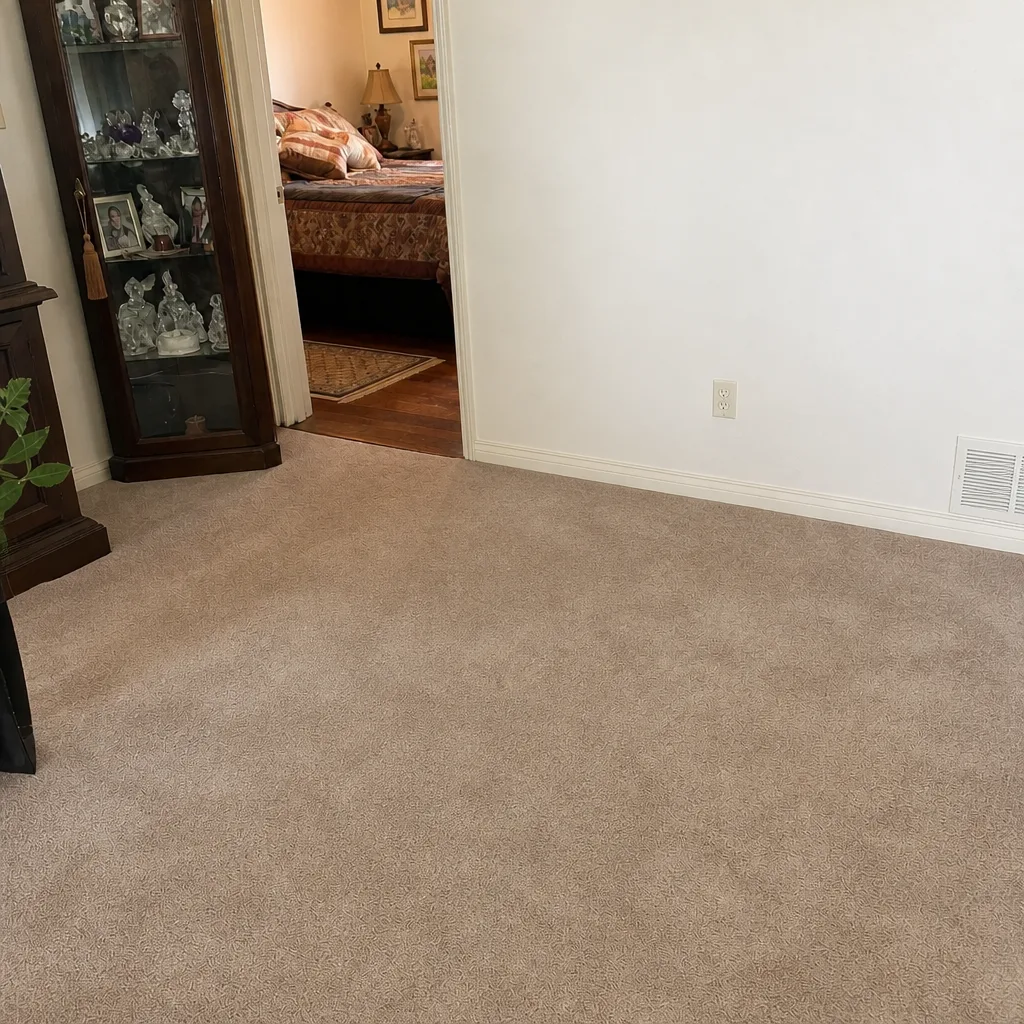
Whole-system duct and dryer vent check with before-and-after photos - you see exactly what came out of your vents
That "$99 whole-house special" is a bait ad - the real number appears once they are in your hallway, or the "clean" is a shop-vac at the register. We photograph the inside of your ducts before and after instead.
Air Duct Cleaning Maintenance Schedule: What to Do and When
Most homeowners carry around a number in their head: every three to five years, clean the ducts. That number comes from somewhere reasonable, but it treats every house like the same house. It doesn’t account for the fact that a system running most of the year pushes far more air, and collects far more, than one running half of it. It doesn’t account for pets, renovations, or how tightly a house is sealed. In Beaumont, where cooling season stretches across most of the calendar and attic humidity climbs into the rafters, the generic interval is often the wrong one. This guide builds a schedule around your household’s actual variables instead.
Quick Answer
There’s no single correct interval for air duct cleaning. A well-maintained home with no pets or allergies and a clean, dry system can often go several years between professional cleanings, while a home with pets, recent renovation dust, allergy sufferers, or a system that runs nearly year-round may benefit from cleaning far more often. In Beaumont, the near-continuous cooling season is a real scheduling factor. Use the household checklist below to set your own interval rather than relying on a national average.
Styles & brands we work with
- Whole-home duct cleaning
- Dryer vent cleaning
- Camera inspection
- Sanitizing & deodorizing
Table of Contents
- Why the Generic “Every 3-5 Years” Rule Falls Short
- How Beaumont’s Climate Compresses the Timeline
- Your Household Variable Checklist
- Filtration: The Maintenance Between Cleanings
- Homeowner Tasks vs. Professional Tasks
- Building a System Log Your Next Technician Can Use
- When Cleaning Isn’t Enough: Duct Repair
- Common Mistakes to Avoid
- When to Call a Professional
- Frequently Asked Questions
Why the Generic “Every 3-5 Years” Rule Falls Short
The Environmental Protection Agency’s guidance on duct cleaning is famously brief: clean as needed, and no study has shown that routine cleaning alone improves health. That’s a fair, careful position. It was also written as a general consumer-protection statement, not as a maintenance formula for a specific house in a specific climate. The problem with treating it as “every three to five years, no matter what” is that contamination rates are not constant. They depend heavily on how much the system runs, how well it’s filtered, and what’s being drawn into the return.
A return-air system in a home running cooling most of the year moves a much larger annual volume of air than the same system in a milder climate. More air movement means more dust, pollen, and fine debris passing through the duct walls and settling on their surfaces. That accumulation is what a professional cleaning removes. So in a city like Beaumont, where the air conditioning does a lot of work, the years-between figure that makes sense elsewhere can quietly become too long.
There’s a second variable the national advice ignores: moisture. Ductwork in an unconditioned attic is subject to relative humidity that can stay high for extended stretches. Under those conditions, dust that would otherwise be inert becomes a food source for biological growth. That’s why a system that looks fine in a dry climate after four years can look quite different in Beaumont after the same period. The right schedule responds to those conditions, not to a calendar.
How Beaumont’s Climate Compresses the Timeline
Beaumont sits in a humid subtropical belt. Winters are mild, and the cooling season dominates the year rather than the heating season. For a duct system, this is the single most important local fact. When a blower runs ten months out of twelve instead of five or six, roughly double the air volume passes through the same duct surfaces. Debris settles faster. The interval between professional cleanings should shorten accordingly.
Humidity is the other half of the picture. Attics in this part of Texas can hold moisture well into the day. Condensation on cool duct surfaces, even when small, creates conditions where dust that collects on the interior walls can support mold growth. Cleaning removes the debris; moisture control and airflow balance keep it from returning as quickly. That’s why we approach air duct cleaning as a system evaluation first, not just a vacuum job. If a duct run is disconnected or leaking, cleaning it thoroughly and leaving the gap in place is wasted effort.
Practically, this means the national average is not a reliable target in Beaumont. Homes here often sit near the shorter end of whatever interval their household variables suggest. If you’ve been holding off because “it hasn’t been five years,” the more useful question is whether the system has run the equivalent of five years’ worth of air. In this climate, it probably has.
Your Household Variable Checklist
Rather than one rule, build your interval from the variables that actually drive contamination. Go through this list and note how many apply to your home. Then use the resulting band as your starting point, adjusting from there based on what you see and how the system behaves.
Variables that shorten the recommended interval
- Pets in the home. Pet dander and hair enter the return air and coat duct surfaces faster than household dust alone.
- Recent or ongoing renovation. Drywall dust, sawdust, and construction debris are the single most common cause of heavy duct contamination. Clean after the work, not before.
- Allergy or asthma sufferers. If anyone in the home reacts to indoor air, keeping the system cleaner is a reasonable step even where the general guidance doesn’t require it.
- Smokers or cooking-heavy kitchens. Grease and smoke particles accumulate on duct walls and are harder to agitate loose.
- Older homes or systems with visible dust at the registers. A sign the system is generating or holding more than it should.
- Year-round cooling load. In Beaumont, this is nearly every home, but it’s worth stating as a variable rather than a constant.
Variables that allow a longer interval
- No pets, no allergies, no recent renovation.
- Consistent, well-fitted filter maintenance. A filter changed on schedule protects the ducts between professional cleanings.
- No visible debris at registers and no musty odor when the system starts.
- Sealed, well-connected ductwork. Leaky ducts in an attic draw in unfiltered attic air, which is a fast track to recontamination.
Turning the checklist into an interval
- Count the shortening variables that apply to your home.
- If three or more apply, plan on a professional cleaning roughly every two years in Beaumont’s climate.
- If one or two apply, every two to three years is a reasonable band.
- If none apply and your last inspection came back clean, you can stretch further, but re-check the visible signs each season.
- If a contractor quotes you the same interval for every home, ask what household variables they considered. That tells you whether they’re scheduling from your house or from a script.
Filtration: The Maintenance Between Cleanings
A filter will not clean your ducts, but it slows how fast they get dirty. The trick is choosing a rating that actually fits your system. Higher MERV ratings capture smaller particles, but they also restrict airflow. In older systems, or systems with undersized return ducts, a high-MERV filter can starve the blower and strain the equipment. That trade-off is real, and it’s why “just put in the highest rating” is poor advice.
A reasonable range for many residential systems is somewhere in the middle of the MERV scale: high enough to capture a meaningful share of fine particles, low enough to keep static pressure within what the blower can handle. Older systems with limited return capacity often do better with a moderate rating and more frequent changes than with a restrictive filter changed less often. If you have allergies, a higher rating is worth discussing, but with airflow in mind.
The other piece most homeowners miss is fit. A filter that doesn’t seal around its frame lets unfiltered air bypass it entirely. That bypass air is what coats your duct walls. Checking the seal, not just the rating, is part of every filter change. If you already use Honeywell or Aprilaire filtration equipment, the specific filter media for those systems is designed to work within their airflow spec, so use the correct media rather than substituting a generic. Our technicians have up to 14 years of experience with whole-home air quality systems, and the practical guidance on filter selection usually comes down to what your blower can handle, not the label on the box.
Homeowner Tasks vs. Professional Tasks
Knowing which maintenance tasks belong to you and which require professional equipment prevents two problems: wasted money on services you don’t need, and damage from DIY work that shouldn’t have been DIY. Here’s a clean division.
Tasks that belong to you
- Filter changes. Follow the system or filter manufacturer’s recommended interval and check the fit each time.
- Register and return grille cleaning. Remove and wash grilles periodically. This is surface cleaning and doesn’t reach the ductwork.
- Visual checks. Look for dust accumulation at the registers, sags in flex duct, disconnected joints, or musty odors on system start.
- Moisture checks. In Beaumont, damp conditions around the air handler or attic ductwork are worth checking. If you find active condensation or standing moisture, that’s a professional call.
- Logging. Write down filter changes, cleaning dates, any inspection results, and anything you’ve noticed. More on this below.
Tasks that require professional equipment
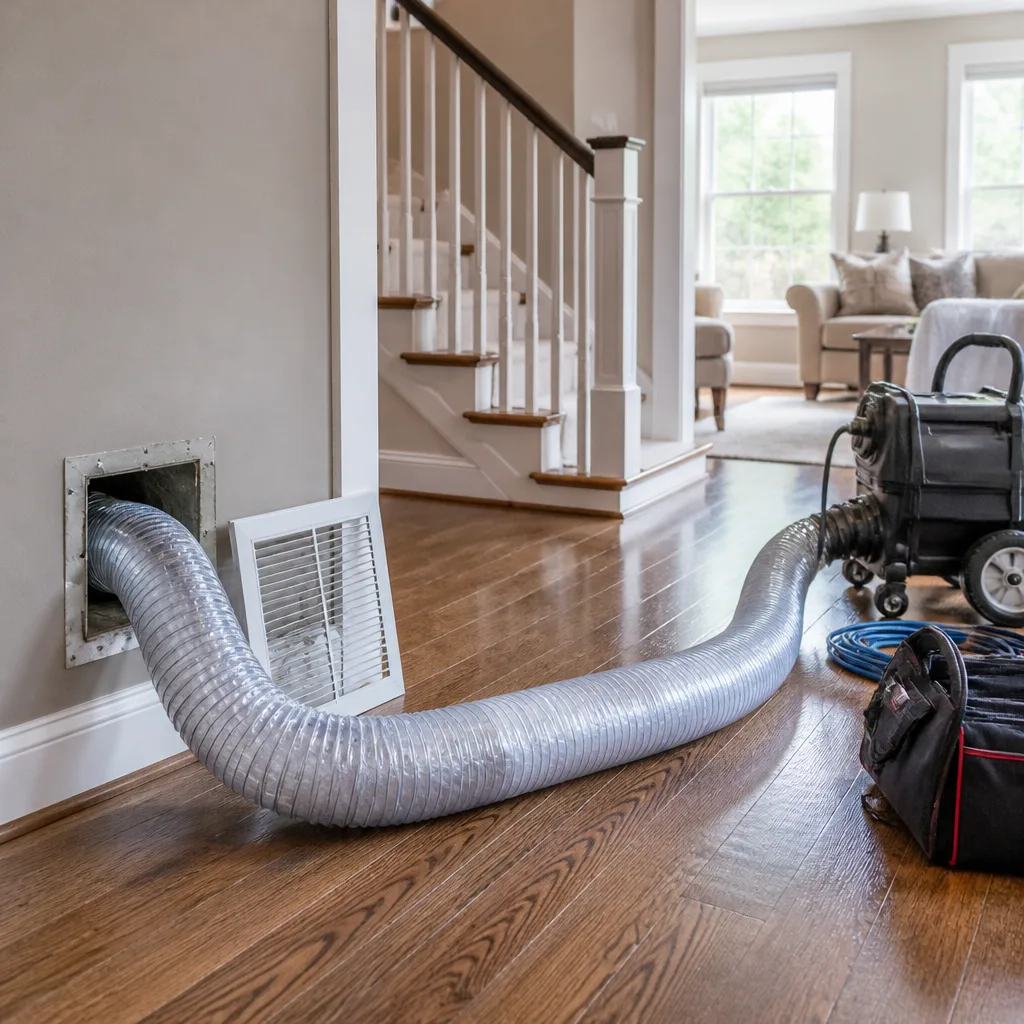
- Cleaning the interior of the duct system. Reaching the full run of duct requires mechanical agitation and high-volume negative air. Consumer vacuums don’t generate enough airflow to remove the attached layer of debris.
- Remediation containment. When contamination is significant, the cleaning has to be done without pulling debris into the living space. That requires negative air and containment equipment rather than a shop vac.
- Duct repair. Restoring disconnected, crushed, or leaking duct runs is a distinct trade skill. Cleaning a leaking duct without repairing the leak means you’ll be back to where you started sooner.
- Assessing airflow and system balance. If a room is consistently warm or cold, or the system feels strained, the duct design may be part of the problem. That’s an evaluation, not a cleaning.
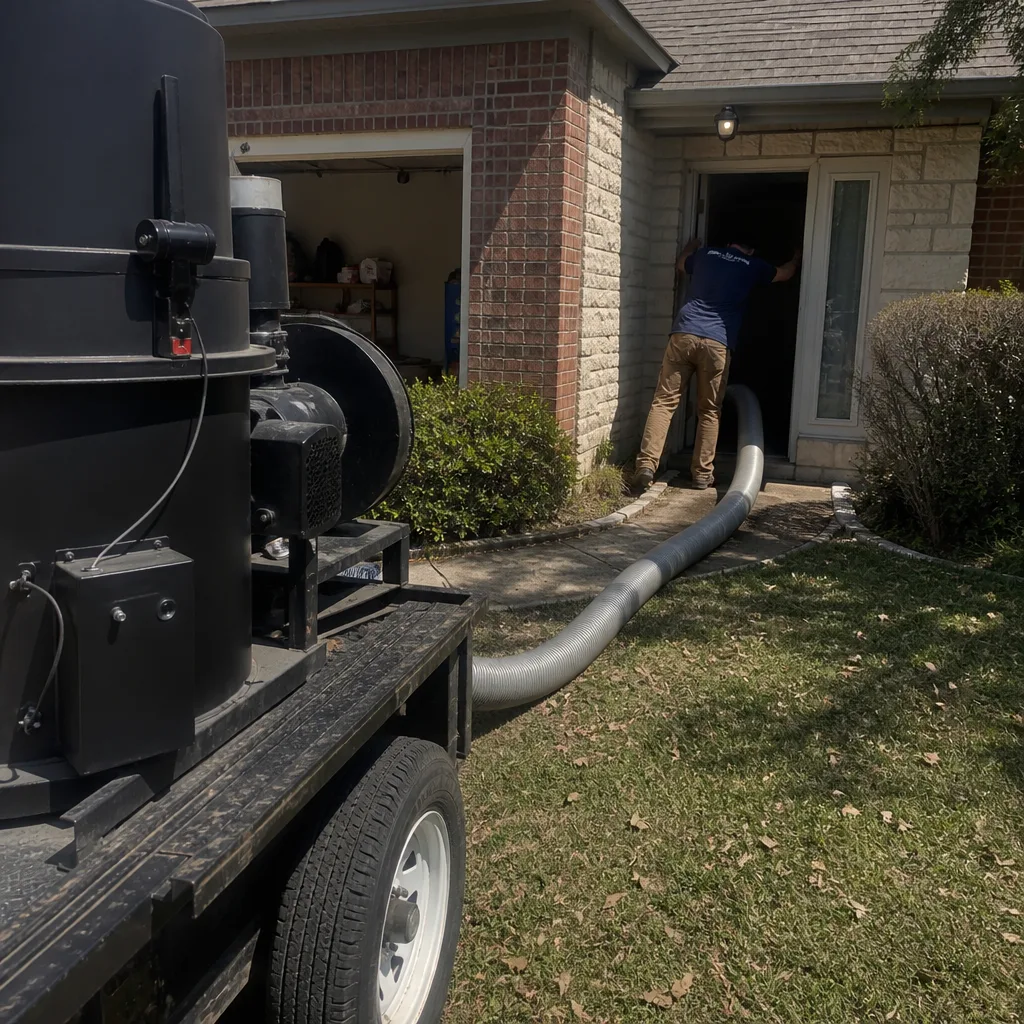
On the professional side, the tools matter more than the description of the process. Rotary brush cleaning physically agitates debris loose from the duct walls; air-only methods rely on the air stream to dislodge what has settled. We use the Beaumont Duct Cleaning approach built around Rotobrush, Nikro, and Abatement Technologies equipment because the tool set determines what’s actually reachable. Mechanical brush cleaning reaches surfaces that an air wash alone leaves behind.
Building a System Log Your Next Technician Can Use
A written history of your duct system is one of the most useful maintenance habits a homeowner can build, and almost nobody does it. When a technician arrives and can see when the system was last cleaned, what filters you’ve used, and what maintenance issues came up, the assessment is faster and more accurate than starting from a blank slate.
What to log
- Date of each professional cleaning. Note which company and what equipment was used if you know. That single line prevents the “when were these last done?” question.
- Filter changes. Date and MERV rating. If you changed the brand or rating, note why.
- Inspection results. Anything a technician flagged: a sagging duct run, a loose joint, moisture in the attic, airflow issues in a specific room.
- Repairs completed. Date and what was repaired. This prevents repeat diagnostic time and shows the system’s full history.
- Seasonal observations. Musty odor on startup, dust at registers, or a room that never cooled well. These give the next technician a starting point.
- System age and model. Even a rough age and the model name help with filter selection and airflow expectations.
How to keep it
A page taped inside the air handler closet works. A note in a phone works too. The format doesn’t matter; the history does. When you call about cleaning, having that log means the technician can recommend an interval from evidence instead of a guess. It also protects you from being sold services your log shows you don’t need. If you’re planning dryer vent maintenance too, note those dates in the same log. Our dryer vent cleaning side of the business benefits from the same history.
When Cleaning Isn’t Enough: Duct Repair
Cleaning and repair are different jobs, but they’re often needed together. A duct system that’s disconnected, crushed, or leaking will recontaminate faster than a sealed one because unfiltered air has a path back into the system. In an attic system, that path draws in unconditioned air and whatever it carries. Cleaning without repairing means the maintenance interval you just set is no longer realistic.
The signs of duct damage worth taking seriously:
- Visible gaps or disconnected joints. Often found in flex duct runs and at the plenum connection.
- Crushed or sagging flex duct. A common cause of uneven cooling in Beaumont homes, especially where duct runs are long.
- Dust at the registers after a recent cleaning. A sign of active leakage drawing in debris.
- Musty odor on system start. Often a moisture path, sometimes a ducting problem.
- A room that never cools properly. Leakage is one of several causes, and worth ruling out.
Having repair handled by the same company that cleaned the system means the technician isn’t leaving a known problem unfixed. That’s part of why we keep cleaning and repair under one roof rather than sending customers to a second contractor. Cleaning the system, then sealing what needs sealing, is the more complete answer than either step alone. When a system is damaged, the right schedule is cleaning, repair, then a fresh interval that assumes a sealed system.
If you’re a property manager responsible for more than one unit, the same principles apply across the portfolio. Keep a log per unit. Track which units have pets, which have had renovations, and which are running into airflow problems. The units that keep coming up will tell you where the schedule should be tighter. Any of our service across Beaumont starts with a free estimate and a look at the system, not a blanket quote per unit.
Common Mistakes to Avoid
- Treating the “every 3-5 years” number as a fixed rule. It’s a starting point from a national average, not a Beaumont-specific interval. Ignore humidity and the year-round cooling load, and you’ll either clean too rarely or too often.
- Cleaning before a renovation instead of after. Drywall dust and sawdust fill the duct system during construction. Cleaning first and renovating second puts you back to square one. Schedule the cleaning for after the work is done and the dust has settled.
- Choosing a filter by rating alone. The highest-MERV filter isn’t automatically the right one. Restrictive filters can strain older systems in Beaumont’s housing stock, and a filter that doesn’t fit the frame lets air bypass it anyway.
- Ignoring register dust as a signal. Dust accumulating at the supply grilles soon after cleaning usually means the system is drawing in debris or leaking somewhere upstream. That’s a diagnostic question, not a cleaning question.
- Letting a disconnected duct go unfixed. Cleaning a system that’s leaking in the attic draws in unconditioned air and whatever it carries, which shortens the interval you just set. Repair the leak, then clean, or do both in one appointment.
- Hiring based on the cheapest quote. A low quote usually means equipment that can’t actually agitate the duct walls or capture what’s removed. Ask what tools will be used and whether the company can also handle repair, since that’s the real test of whether cleaning will hold.
- Never logging anything. Without a record of cleaning dates, filter changes, and repairs, the next technician starts from zero, and you lose the ability to make decisions from evidence.
When to Call a Professional
Some scenarios clearly call for a professional visit rather than a wait-and-see. If you’ve recently finished a renovation and the system was running through it, get the ducts cleaned sooner rather than later. If anyone in the house has started reacting to indoor air, a system inspection is worth the call. If you see dust at the registers within weeks of a cleaning, or smell mustiness when the air handler kicks on, the system is telling you something specific that needs a look. Airflow problems that persist after filter changes, sagging or disconnected duct visible in the attic, and any sign of moisture around the system all belong on the professional list.
For homes in Beaumont, the practical next step is a free estimate, which tells you what condition the system is actually in. Once you have that baseline, you can set an interval that fits your household rather than guessing. If the system also needs repair, it can be handled in the same visit instead of a separate call.
Beaumont Duct Cleaning offers free estimates in Beaumont. Call (866) 935-2761. We answer 24/7. Fast dispatch from 7am to 7pm, Sunday through Friday.
Frequently Asked Questions
For most Beaumont homes, a professional cleaning every two to three years is a reasonable starting point, with homes that have pets, allergies, or recent renovation often benefiting from cleaning every two years or so. The near-year-round cooling season here means the system moves more air annually than the national average assumes. Use the household checklist above to set your own interval, and call (866) 935-2761 for a free estimate – the condition of your specific system is the best guide.
A filter reduces how quickly the ducts get dirty but doesn’t reach the duct walls. Contaminants that make it past the filter settle on the interior surfaces and stay there until mechanically removed. Regular filter changes stretch the interval between cleanings; they don’t replace cleaning. How often you actually need a cleaning depends on the variables above, and we’re glad to look at the system and tell you honestly where it stands.
Low quotes usually reflect less equipment and less time. Air-only methods can look like cleaning without actually reaching the attached layer of debris on the duct walls, and a consumer-grade vacuum doesn’t generate the airflow that a professional system does. Ask what equipment will be used and whether the company can handle repair if the ducts are damaged. Call (866) 935-2761 for a free estimate that reflects the real scope of the job.
Yes. High attic humidity, combined with a cooling system that runs most of the year, creates conditions where fine debris accumulates faster and can support biological growth. Homes here often sit near the shorter end of whatever interval their household variables suggest. If you’re not sure where your home falls, a free estimate is the simplest way to find out.
Many homeowners with allergy or asthma concerns notice a difference after a thorough cleaning, though it’s not a medical treatment. What a cleaning does is remove accumulated dust, dander, and fine debris that the system would otherwise recirculate. If you have pets or allergy sufferers in the home, shortening your interval is a reasonable choice. Call (866) 935-2761 to talk through the system.
Cleaning removes accumulated debris from the interior duct surfaces. Repair restores disconnected, crushed, or leaking duct runs so the system can operate as designed. They’re different jobs and often done together when a system is damaged, because cleaning a leaky system without fixing the leak shortens the interval you just set. We handle both, which means one call can cover the full scope.
The Bottom Line
The generic “clean every three to five years” advice is a national average that doesn’t account for your household or your climate. In Beaumont, the near-continuous cooling season and humid attic conditions mean a system accumulates debris faster than the national timeline assumes. Set your interval from the household checklist, not the calendar: pets, renovation, allergies, and system run time all matter. Maintain the filter correctly between cleanings, log the history, and know the difference between a homeowner task and a professional one. When the system has damage, repair it before resetting the interval. If you’re not sure where your home stands, start with a free estimate and a real look at the system.
Our technicians have up to 14 years of experience, and we bring restoration-grade equipment to every job, including Abatement Technologies for negative-air containment and Rotobrush for mechanical brush cleaning. That’s not a shop vac and a handshake; that’s a system evaluated and cleaned properly. We clean it, and we can fix it.
Call (866) 935-2761 for a free estimate. We answer 24/7. Fast dispatch from 7am to 7pm, Sunday through Friday.
Written by the team at Beaumont Duct Cleaning.
See the difference
 Before
 After
 Before
 After
 Before
 After