
Last updated November 16, 2026
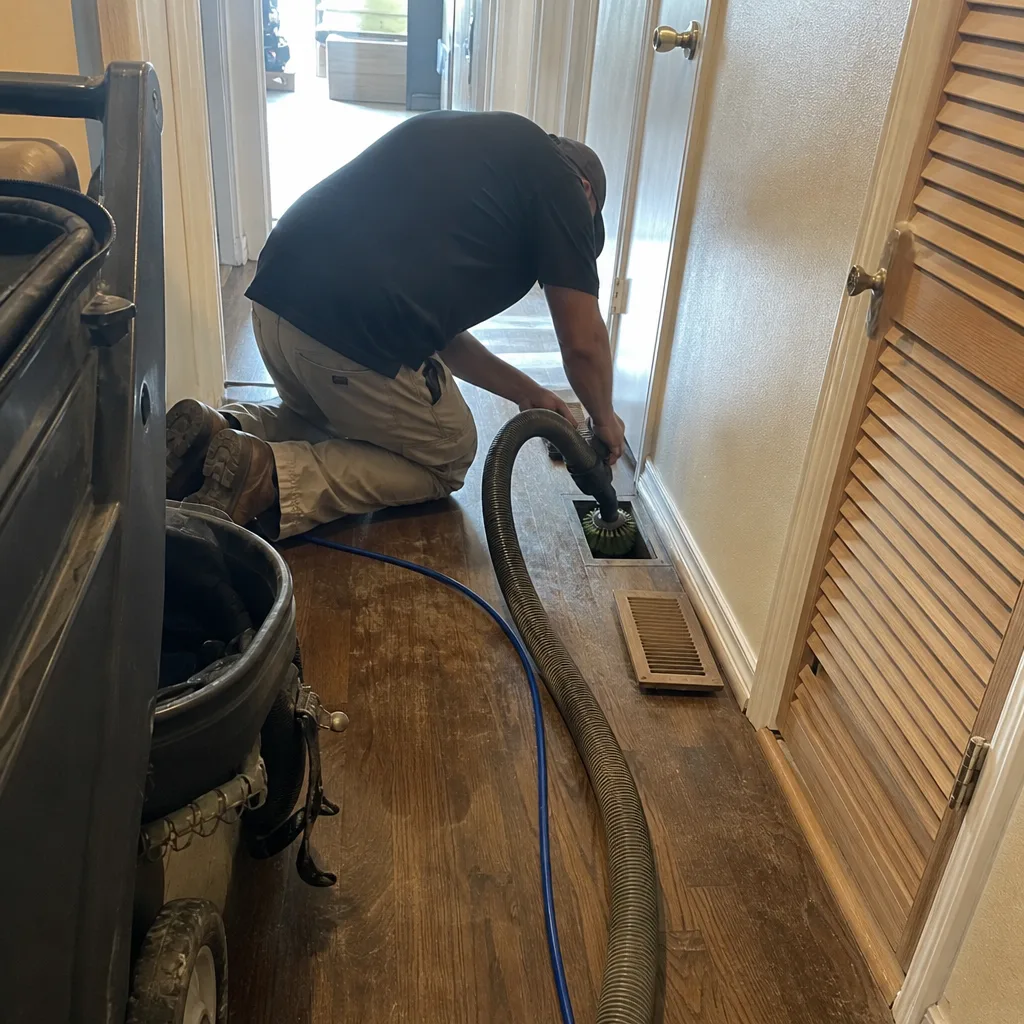
 Whole-home duct cleaning
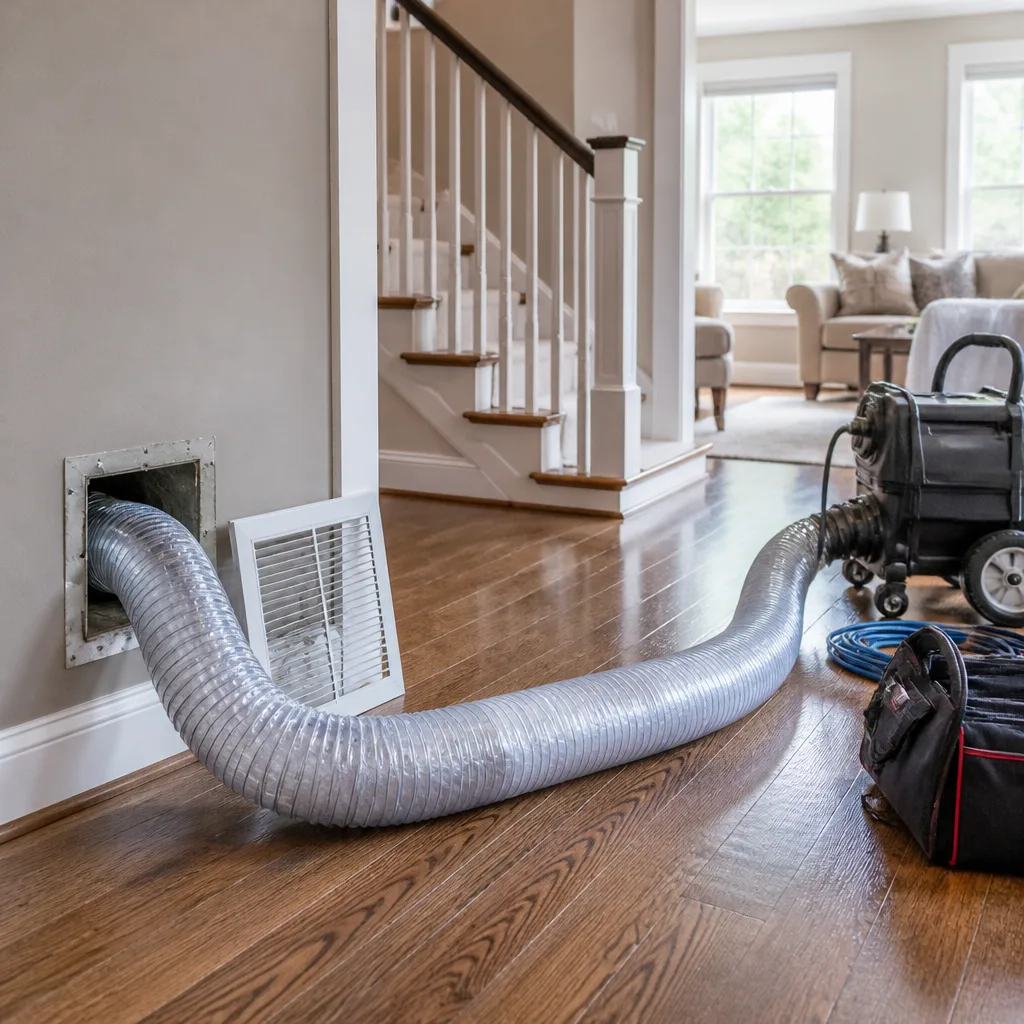
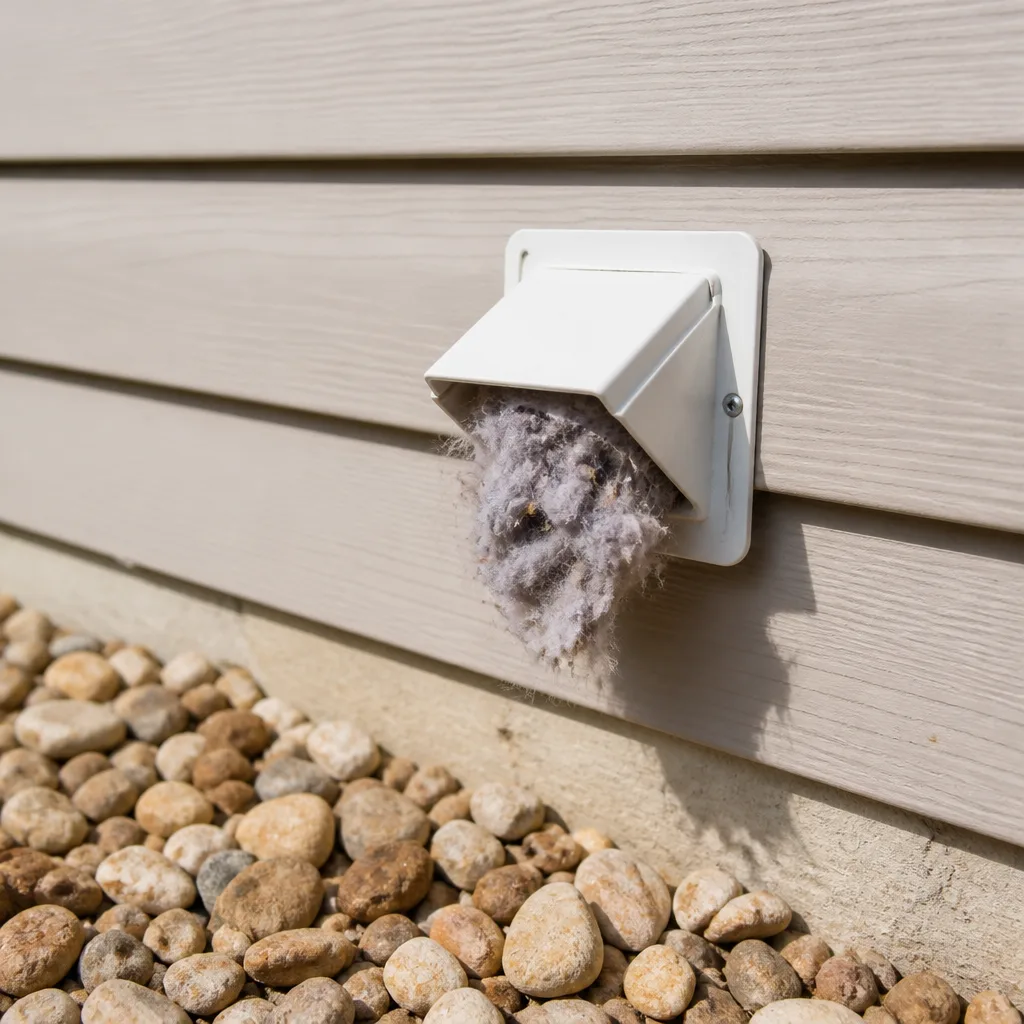 Dryer vent cleaning
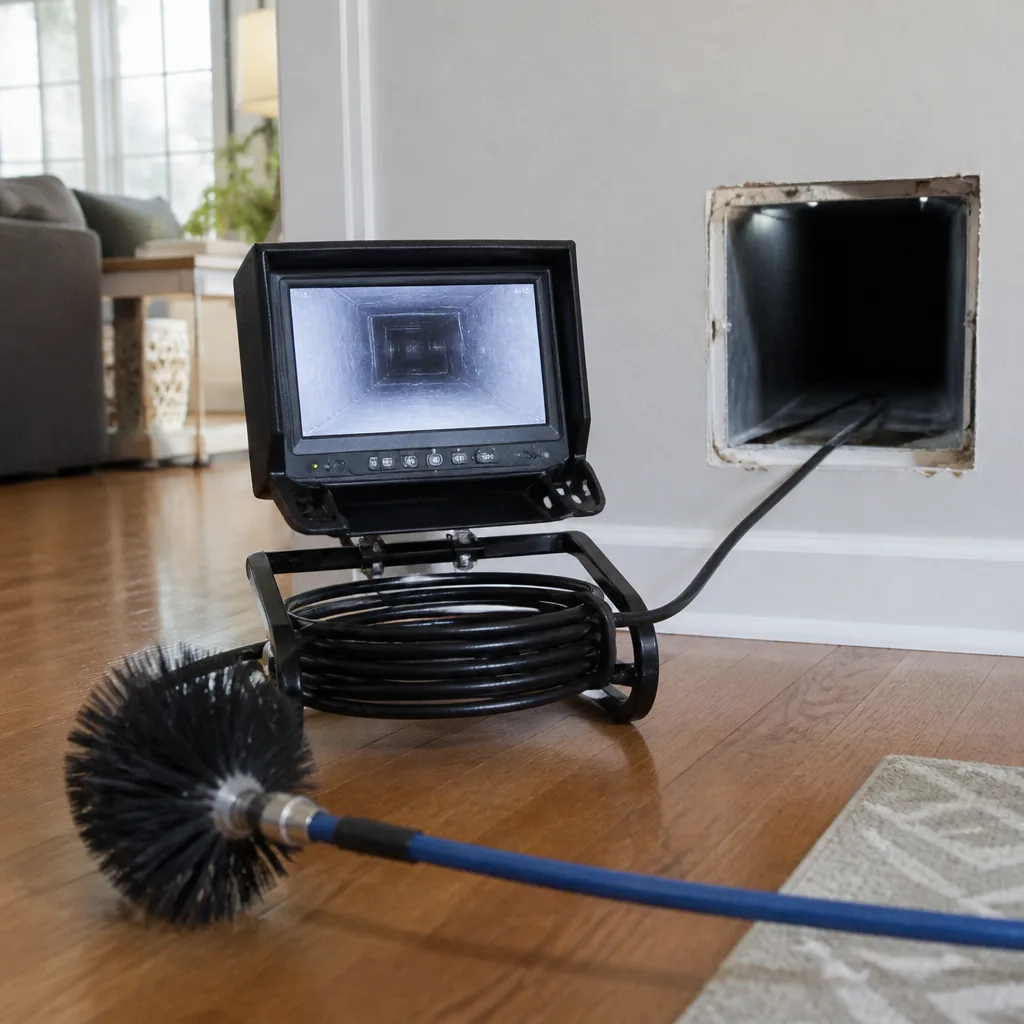 Camera inspection
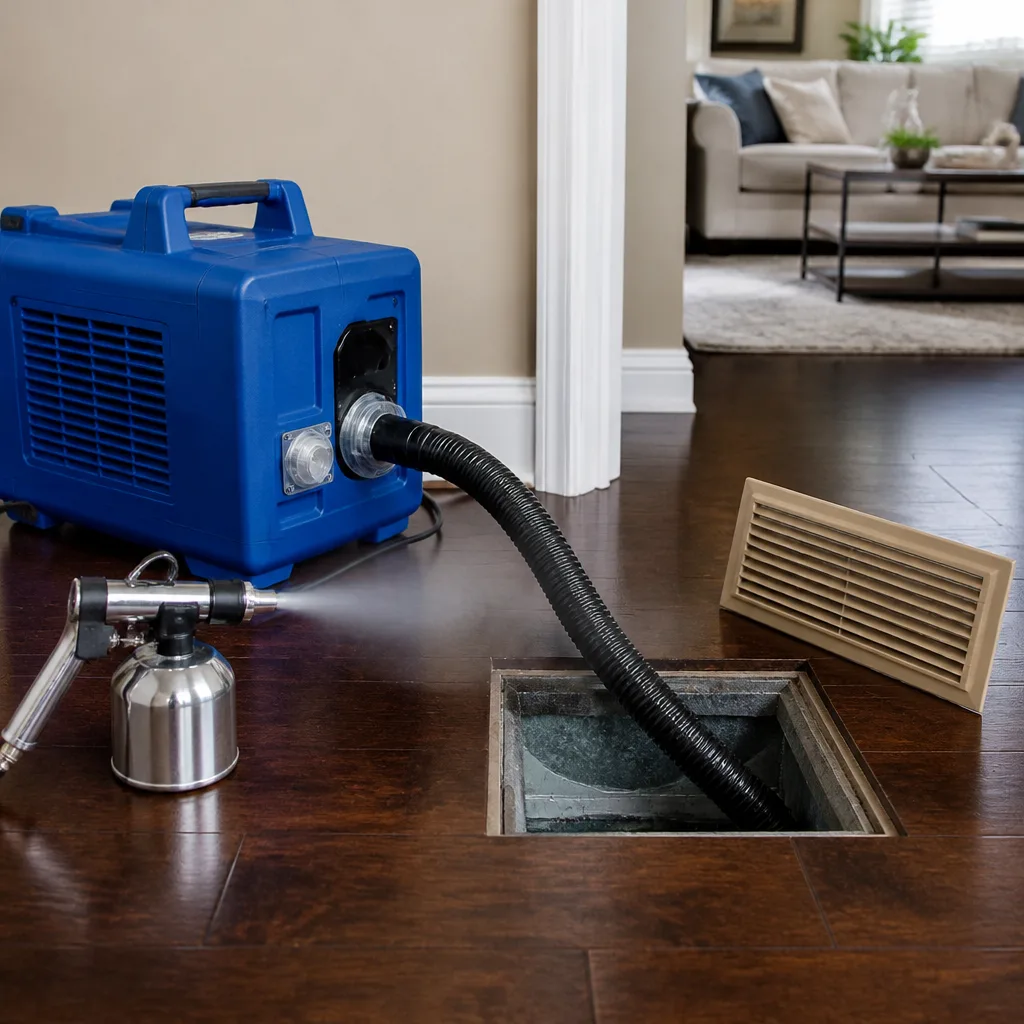 Sanitizing & deodorizing
Whole-system duct and dryer vent check with before-and-after photos - you see exactly what came out of your vents
That "$99 whole-house special" is a bait ad - the real number appears once they are in your hallway, or the "clean" is a shop-vac at the register. We photograph the inside of your ducts before and after instead.
Air Duct Cleaning Maintenance Checklist for Beaumont Homeowners
Most duct cleaning advice you’ll find online was written for a house that runs its furnace five months a year and its AC for three. Beaumont doesn’t work that way. Here, the HVAC system is a year-round machine: cooling from spring into fall, heating through mild winters, and pulling outside air through the return every one of those months. That compressed operating schedule is the reason a calendar-based “clean every three to five years” rule tends to undershoot in Beaumont ductwork. This checklist replaces dates with system indicators, breaks tasks into what a homeowner can do with eyes and hands versus what needs professional equipment, and gives you a record to keep. You’ll finish knowing exactly what to check, when, and why.
Quick Answer
A working air duct maintenance checklist for a Beaumont home has three tiers: monthly tasks you do yourself (filter check, register inspection, airflow listening), seasonal tasks that follow the cooling-to-heating swing (coil visibility, return grille cleaning, humidity checks), and professional tasks scheduled by system indicators rather than years (heavy visible buildup, musty odor, allergy flares, post-storm water intrusion). The homeowner checklist catches early warning signs. The professional visit cleans what eyes can’t reach and documents the system so future contractors and insurers have a baseline.
Styles & brands we work with
- Whole-home duct cleaning
- Dryer vent cleaning
- Camera inspection
- Sanitizing & deodorizing
Table of Contents
- Why Beaumont Ductwork Ages on a Compressed Timeline
- Monthly Homeowner Checklist
- Seasonal Tasks: What Changes When the System Switches
- How to Inspect Supply and Return Registers Without Disassembling Anything
- Filter Selection for Beaumont’s Pollen and Humidity Load
- Post-Storm Checklist After Gulf Coast Weather
- What to Log After Every Professional Cleaning
- System Indicators That Trigger a Professional Visit
Why Beaumont Ductwork Ages on a Compressed Timeline
Standard advice holds that ducts should be cleaned every three to five years. That number comes from a northern climate model where the air handler runs maybe 1,800 to 2,400 hours a year. In Beaumont, most homes run their system ten or more months per year, and during July and August the blower may not shut off for days at a stretch. Same square footage, roughly double the air volume moving through the same ductwork.
Debris accumulates in proportion to air hours, not calendar years. That means a Beaumont home with a shedding pet and a house full of carpeting can build up visible register dust in eighteen months, while the same house in a cooler climate would take four years to reach the same point. The equipment matters too: an aging blower that’s losing static pressure moves air more slowly, which lets heavier particles settle into the duct floor instead of staying suspended and reaching the filter.
Our own technicians have up to 14 years of experience working on Gulf Coast systems, and the pattern holds consistently. Homes we open up in Beaumont tend to show heavier settled debris in return trunks than the homeowner expected, because the return air path gets far less attention than the supply runs. The return pulls the dirtiest air in the house and it gathers where you can’t see it.
The practical takeaway: don’t measure your duct health in years. Measure it in filter loading rate, register dust appearance, and how quickly the system recovers temperature. Those indicators tell you the far more useful story.
Monthly Homeowner Checklist
Ten minutes once a month catches most developing problems. None of these tasks require tools beyond a flashlight and a step stool. Set a recurring reminder, ideally on the same day you pay a monthly bill so it’s hard to forget.
- Look at the filter. Hold it up to a light. If you can’t read a label through it, it’s loaded. In Beaumont’s cooling season, a mid-grade filter can go from clean to restricted in four weeks.
- Listen at the return grille. With the system running, put your ear close to the largest return. A whistle or a hard whoosh means the return is undersized or the filter is restricting flow. The sound should be a smooth, even draw.
- Wipe the nearest supply register fins. Run a white paper towel across the louver. Fine gray dust is normal in small amounts. Sticky dark residue or puffing dust when the system starts means it’s time for a closer look.
- Check every room’s airflow by hand. Hold the back of your hand against each supply. None should feel dramatically weaker than the others. One weak supply usually points to a disconnected, crushed or leaking branch run, which is exactly the kind of damage a duct repair visit addresses.
- Smell the air at startup. A faint dust smell for a few seconds is air passing over a warm heat exchanger. A musty or wet-cardboard smell that lingers is damp debris or microbial growth somewhere in the system.
- Note any new allergy or sinus pattern. If symptoms get worse inside your own home and ease when you’re away, that’s a data point, not a conclusion. Write it down and keep the record.
Write down what you find and the date. Two months of notes is worth more to a technician than any verbal description you’ll give at the door.
Seasonal Tasks: What Changes When the System Switches
Beaumont’s climate has two operating modes, a long cooling season and a short, mild heating season, and the system transitions between them twice a year. Those transitions are when the most useful inspections happen.
Before the cooling season starts
- Pull the return grille and look at the filter slot with a flashlight. Dust and debris that drop off a filter land in this channel and get pulled straight into the blower.
- Check the condensate drain line. With humidity as high as Beaumont carries from spring onward, a slow drain or a clogged trap leads to standing water and, eventually, damp air moving back through the system.
- Look at the supply registers in every room for condensation or water stains on the ceiling around the grille. Wet grilles point to duct insulation damage in the attic.
- Run the system for a full cycle and note how long each room takes to reach its set temperature. That baseline gives you something to compare in August.
Before the heating season starts
- Wipe down the exterior of all supply and return grilles. Warmer, drier air lifts settled dust off surfaces and back into circulation.
- Check that return grilles aren’t blocked by furniture, rugs or storage. This happens most often when fall brings boxes back into the garage-adjacent rooms.
- Recheck the filter slot and any accessible duct joints for gaps or separated tape. A loose joint is the difference between heated air reaching a room and heated air leaking into the attic.
- Smell check again. A musty smell that appeared during cooling season and persists into heating season is a strong indicator the debris is in the ducts themselves, not the air.
For a fuller walkthrough of the professional side of this work, see our guide to air duct cleaning.
How to Inspect Supply and Return Registers Without Disassembling Anything
Registers are the diagnostic window into the whole system, and you don’t need to remove a screw to read what they’re telling you. What you’re looking for is the difference between surface dust, which is cosmetic, and origin dust, which comes from inside the duct.
Start with a clean white cloth or paper towel. Wipe one louver on a supply register. Now look at what transferred. Three patterns to recognize:
- Uniform light gray film. Ambient house dust settling onto the face. Normal. Wipe it and move on.
- Dark clumps or streaks in the louver corners. Debris being pushed out of the duct under pressure. This is the pattern that shows up when buildup is heavy enough that air turbulence is ejecting it.
- Sticky or damp residue. Debris plus moisture. In Beaumont, that combination deserves attention quickly because the mild, humid climate doesn’t dry things out between seasons.
Next, remove the register grille (they’re held by two screws on almost every home) and shine a flashlight straight into the supply branch. You’re looking for a visible duct floor. If you see chalky white buildup, fibrous matting, or a film that catches the light, the duct walls are coated. If the duct floor is visible metal or flex liner, it’s in reasonable shape.
Do the same at the largest return. Returns are where most accumulation hides because there’s no filter on the branch side. Shine the light in and count how deep the debris layer looks against the duct wall. A visible dust line more than a quarter-inch deep at the base is your cue to schedule professional cleaning.
Don’t reach inside or try to wipe the interior. You can’t clean a duct through a 6-inch opening, and forcing a cloth into flex ducting can tear the liner.
Filter Selection for Beaumont’s Pollen and Humidity Load
Filter marketing gets loud, but the decision is straightforward once you match the filter to the local load. Beaumont’s air carries a heavy pollen season from late winter through spring, and humidity stays high most of the year. Those two conditions push most homeowners toward a slightly higher capture rating than they’d need up north, but not so high that they choke the system.
MERV (Minimum Efficiency Reporting Value) is the standard rating scale. Here’s how the tradeoffs line up for a Beaumont home:
- MERV 6 to 8. The practical baseline. Captures pollen, dust mites, mold spores and most pet dander without adding meaningful static pressure. For homeowners with no respiratory concerns, this is the right zone.
- MERV 9 to 11. A step up for allergy sufferers. Captures finer particles including some bacteria. Check that your blower and cabinet are rated for it; older systems with a narrow filter slot can lose airflow.
- MERV 13 and above. High capture, high pressure drop. Only appropriate if your system was designed for it. A MERV 13 filter stuffed into an undersized slot causes more air quality problems than it solves, because restricted flow means more debris settling in the ducts and less conditioned air reaching rooms.
Beyond MERV, two practical notes for Beaumont. First, filter depth matters as much as the number. A 4-inch pleated filter has more surface area than a 1-inch, so it loads more slowly and maintains airflow longer. If your cabinet takes a 4-inch, use it. Second, change intervals need to shorten during heavy pollen weeks and during any period when the system is running continuously. If you’ve ever wondered why filters load faster here, it’s simply more air hours and more particulate in the air.
If your system uses a whole-home filtration unit from Honeywell or Aprilaire, the filter change schedule and the filter part number matter. Work with a technician who knows those systems, not a generic filter size.
Post-Storm Checklist After Gulf Coast Weather
Most duct cleaning checklists stop before the weather gets interesting. Beaumont sits in a hurricane and tropical-storm corridor, and the weeks after a significant weather event are when the most consequential duct problems either get caught or get missed. Water intrusion, roof damage and power interruptions all leave fingerprints in the HVAC system.
- Check the attic and the ceiling around every vent. Water stains radiating from a register, sagging drywall near a grille, or damp insulation around duct runs are all indicators that water entered the system. Photograph everything with the date visible.
- Smell test the first time the system runs after a storm. A musty or swampy odor means moisture got in and had time to grow something. Don’t run the system for long stretches until it’s been inspected.
- Look for duct separation in the attic. High wind can shift flex duct runs, and the tape or mastic at joints can fail. A separated run dumps conditioned air into the attic and pulls unfiltered attic air into the house.
- Inspect flex duct for crushing or collapse. Debris in the attic or falling insulation can pin a run flat. Crushed flex means no airflow downstream of the crush point.
- Check outdoor unit and pad for debris. After storm flooding, silt and debris around the condenser pad can interfere with drainage and airflow. Clean it away before restarting the system.
- Confirm the air handler and coil cabinet are dry. If they took on water, don’t run them until a technician has inspected the cabinet, coil and any insulation inside it.
- Schedule a professional inspection if any of the above turned up a hit. Storm-related system damage is exactly the case where cleanup alone isn’t enough. Duct repair and cleaning are both usually required.
The documentation step matters here. Photographs taken during the first few days after a storm are far more useful to an insurer than a description a month later.
What to Log After Every Professional Cleaning
Most homeowners treat duct cleaning as a one-time transaction and forget about it. A documented record of each service is quietly one of the most useful files you’ll keep on a house. It’s valuable to future technicians, and it’s the kind of baseline an insurance adjuster wants to see years later.
After each professional visit, capture the following:
- Date and the name of the company. Full business name, not just the phone number on the invoice.
- What equipment was used. Ask. Mechanical brush cleaning with a system like Rotobrush is a different procedure than air washing, and the record should reflect which one was done. Our own visits list the equipment used on the invoice so it lives in your file.
- Areas cleaned and areas skipped. Ask the technician which branches, returns and trunks were accessed and which weren’t. Not every run is reachable in every home.
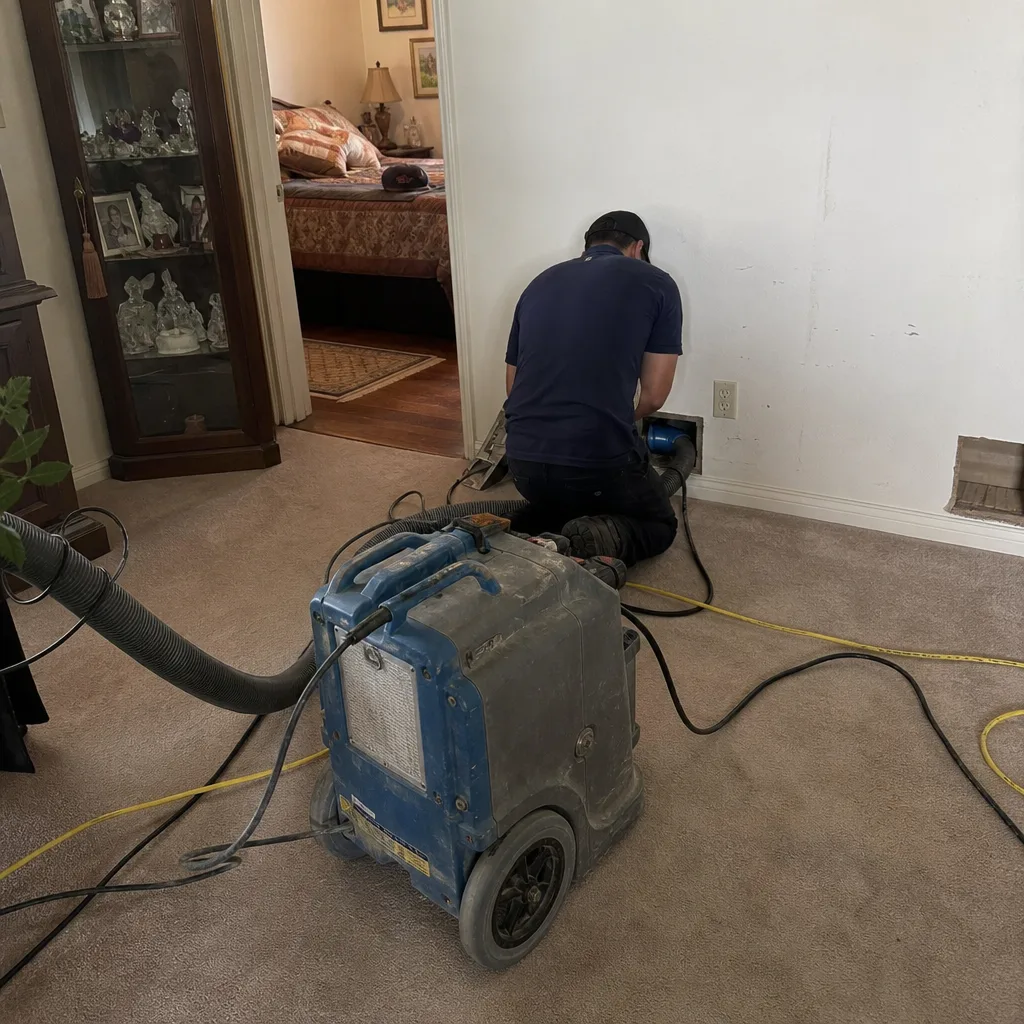
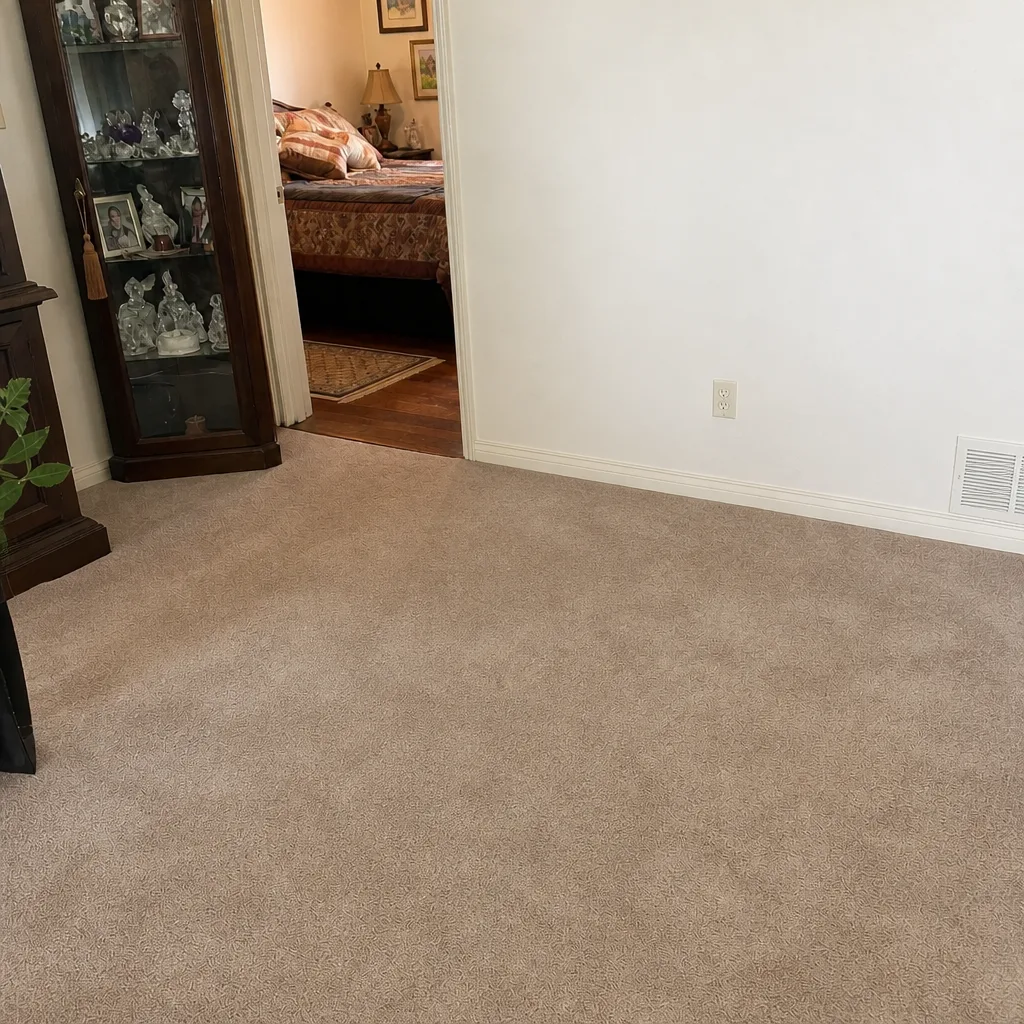
- Before-and-after photographs. Ask for them. A visual record of the same register or trunk before and after is worth more than a paragraph of description.
- Any repair work done. If a joint was resealed, a flex run replaced or a connection reattached, note it. That record tells the next technician where to look first.
- Filter size and MERV rating. Confirm what’s installed so you’re not guessing at the hardware store six months later.
- Any recommended follow-up. If a return run is showing heavy repeat buildup, note the reason. That’s a signal to check something else, like a return duct leak pulling attic air.
Keep this file near the HVAC equipment. If you sell the house, pass it to the buyer. If you ever file a claim, you have a dated record.
System Indicators That Trigger a Professional Visit
This is the section that replaces the calendar rule. Any single item on this list is worth a phone call. Two or more together means schedule the work.
- Visible buildup at a register or return after you’ve wiped it clean less than a month ago.
- Persistent musty or earthy smell when the system starts, not just for the first few seconds.
- Higher-than-usual allergy symptoms inside the house that ease when you’re away for a day or more.
- Uneven airflow between rooms. One room that’s always hotter or colder than the rest points to a branch run problem, not a filter problem.
- A visible dust line in the return trunk deeper than a quarter-inch when you shine a light past the grille.
- Dust settling quickly on furniture after the room was recently cleaned, especially near supply registers.
- Any storm-related water intrusion around vents, attic duct runs or the air handler.
- Recent major renovation anywhere in the house. Drywall dust and construction debris migrate into ducts during the project, even with plastic hung at the doors.
- The filter loads up in weeks rather than months with no change in filter brand or size. That’s debris feeding the filter from inside the ducts.
You don’t need three of these to act on one. Pick the strongest signal and use that to make the call.
Common Mistakes to Avoid
- Cleaning on a fixed calendar instead of system indicators. A three-year rule written for a northern climate will leave debris in a Beaumont system that’s already due. Check the system, not the anniversary.
- Assuming a higher MERV is always better. A MERV 13 in a slot designed for a MERV 8 chokes airflow, which raises duct accumulation instead of reducing it. Match the filter to the cabinet.
- Ignoring the return side. Homeowners inspect supply registers and skip the returns, which is where most debris accumulates. Put a flashlight on your largest return this month.
- Wiping down the duct interior through a grille opening. You can’t clean a duct this way, and a cloth caught on flex liner tears the vapor barrier and creates a real problem. Leave interior cleaning to mechanical equipment.
- Treating a labeled air-washing service as identical to a mechanical brush cleaning. They aren’t the same procedure. Air-only methods can leave dust clinging to duct walls. Ask which method is being used before booking.
- Skipping documentation. No photos, no record of what was accessed, no equipment notes. When you need an insurance claim or you sell the house, none of that is reconstructable from memory.
- Ignoring post-storm inspections because the system still runs. A separated flex run in the attic can run fine on the mechanical side while pumping attic air into the house. Run the checklist before you assume nothing happened.
- Letting a duct repair problem wait until it becomes a duct cleaning problem. A leaking joint at a return pulls unconditioned, unfiltered attic air into the system all day, every day. That accelerates buildup and raises the cost of the eventual fix.
See the difference
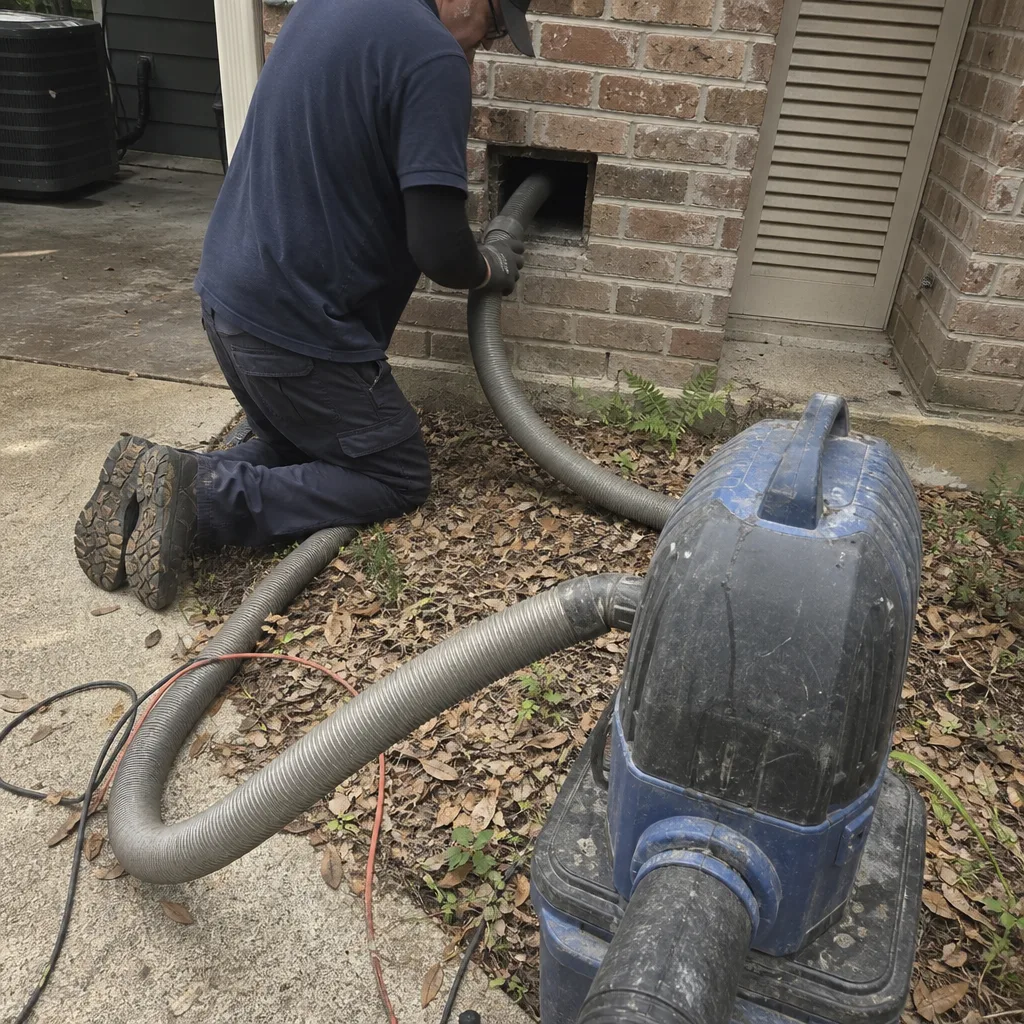 Before
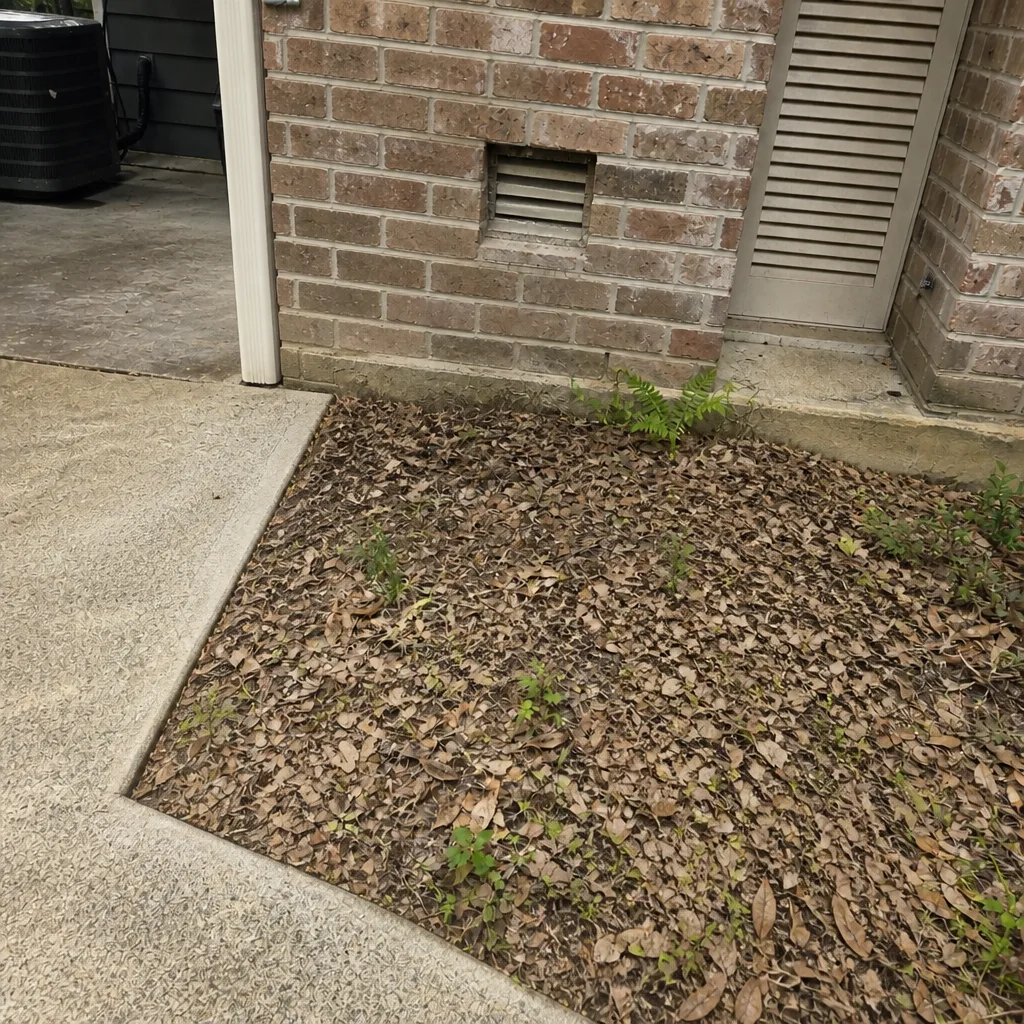 After
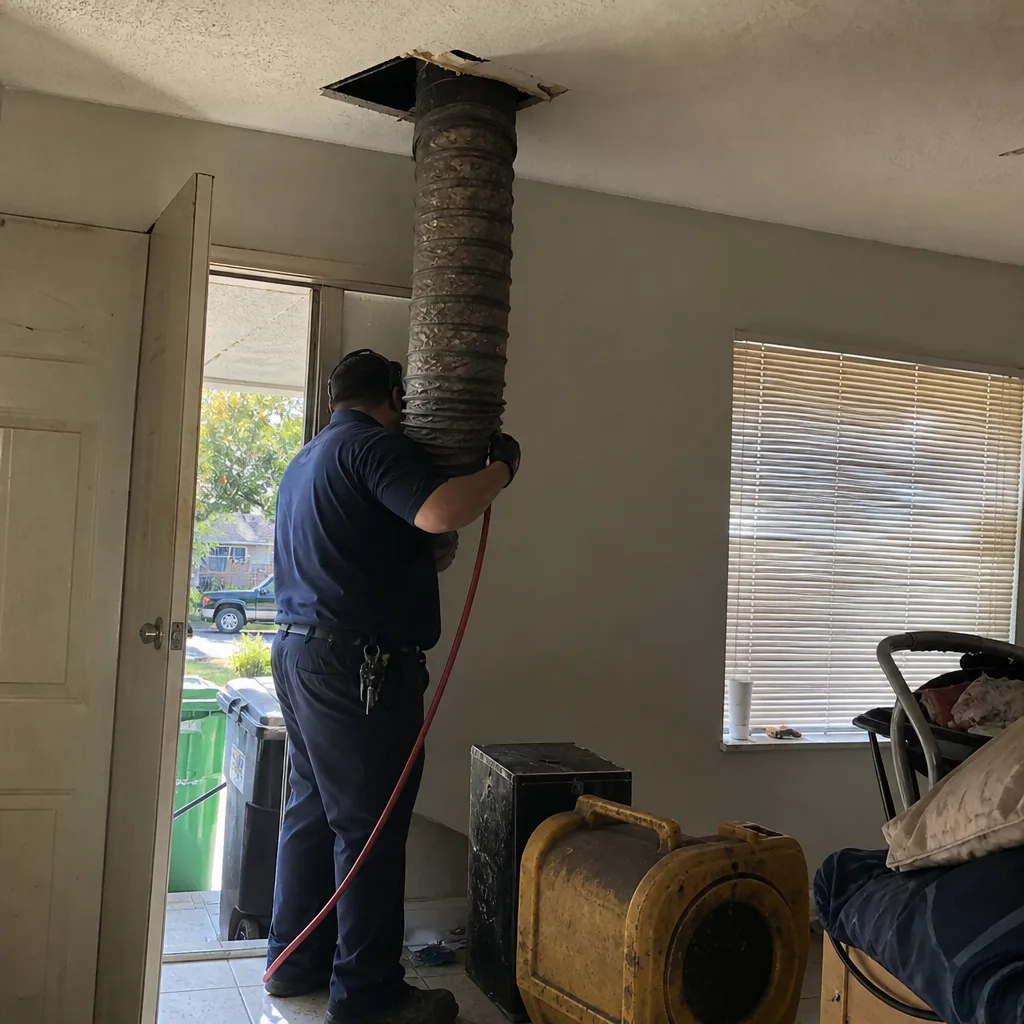 Before
 After
 Before
 After
When to Call a Professional
Call a professional when the inspection turns up debris you can’t remove with a flashlight and a cloth, when airflow is uneven between rooms, when you smell mustiness that doesn’t clear after a filter change, or when storm damage touched the attic or ceiling around any vent. Those situations need mechanical equipment that reaches the duct interior and the ability to repair what’s damaged. Our own service use a Rotobrush rotary brush system that agitates and pulls buildup off duct walls, paired with Abatement Technologies negative-air containment to capture the debris at the source and Nikro HVAC cleaning tools built for commercial-grade work. If a joint is separated, flex is crushed, or a run needs replacement, our technicians handle the repair as part of the same visit. That combination is why we say we clean it, and we can fix it. Beaumont Duct Cleaning offers free estimates in Beaumont. Call (866) 935-2761. We answer 24/7. Fast dispatch from 7am to 7pm, Sunday through Friday.
Frequently Asked Questions
Every two to three years is a realistic starting expectation for most Beaumont homes, though the honest answer depends on the system and the household, not the calendar. Homes with pets, carpeting, allergy sufferers or recent renovations tend to shorten that interval. Homes with no pets and a well-maintained filter can stretch it. The better rule is to run the monthly register inspection, watch filter loading rate, and schedule based on what the indicators show. Call (866) 935-2761 for a free estimate on your home.
MERV 8 is the right zone for most Beaumont homes, with MERV 9 to 11 for allergy households and MERV 13 only where the cabinet and blower were designed for it. The tradeoff is between fine particle capture and static pressure. A filter that’s too restrictive for the cabinet costs you airflow and can actually increase duct accumulation. Check the filter door label or your system documentation for the rated maximum before going up in MERV. If you’re not sure, our technicians can check the cabinet on a visit. Call (866) 935-2761.
Yes. Removing a supply or return register grille takes two screws and gives you a clear line of sight into the branch duct. Use a bright flashlight and look for visible duct floor. If you can see metal or flex liner, the duct is in reasonable shape. If you see chalky buildup, fibrous matting or a dust film on the walls, that’s the cue to schedule professional cleaning. Don’t reach inside the duct. Call (866) 935-2761 if you’re unsure what you’re seeing.
Check the attic and ceiling around every vent for water stains, run the system and smell the output, and look for separated or crushed flex duct runs in the attic. Photograph anything suspicious with the date. If water got in or the system smells musty, don’t run it for long stretches until it’s been inspected. Storm-related duct problems are usually a combination of cleaning and repair, not cleaning alone. Call (866) 935-2761 and we’ll walk through what you’re seeing.
Cooling performance alone isn’t the indicator. A system with heavy duct buildup can still hit set temperature in Beaumont because the equipment runs so many hours per year that it compensates. The better indicators are visible accumulation at the register, musty odor at startup, allergy symptoms that ease when you leave the house, and filter loading rate. If any of those are showing, the buildup is real regardless of how the thermostat looks. Call (866) 935-2761 for an honest assessment.
Yes. Dryer vent cleaning is one of our three core services alongside air duct cleaning and air duct repair, and it belongs on the same seasonal maintenance schedule as the rest of the system. Lint accumulation in a dryer vent slows drying times and creates a fire risk that’s entirely preventable. You’ll see our dryer vent cleaning service covered in more depth on its own page. We also serve homeowners throughout Beaumont and the surrounding area. Call (866) 935-2761 for a free estimate.
The Bottom Line
Duct maintenance in Beaumont works better as an indicator-driven habit than a calendar appointment. Change filters based on how they look and how much air hours the system has logged, not on a fixed number of months. Inspect registers and returns every month with a flashlight and a cloth. Run the seasonal checklist when the system transitions between cooling and heating. Walk the post-storm list after any significant Gulf Coast weather event. Ask for before-and-after photos and keep a paper file on every professional visit. The indicators do the work: when register dust returns inside a month, when a room can’t keep temperature, when the filter loads in weeks instead of months, that’s the signal to act. Our technicians have up to 14 years of experience on Gulf Coast systems, and we use Guardsman-grade protective products on every visit. If the checklist turned up something, we’d rather look at it now than after it becomes a bigger repair. Call (866) 935-2761 for a free estimate. We answer 24/7. Fast dispatch from 7am to 7pm, Sunday through Friday.
Written by the team at Beaumont Duct Cleaning.