
Last updated November 16, 2026
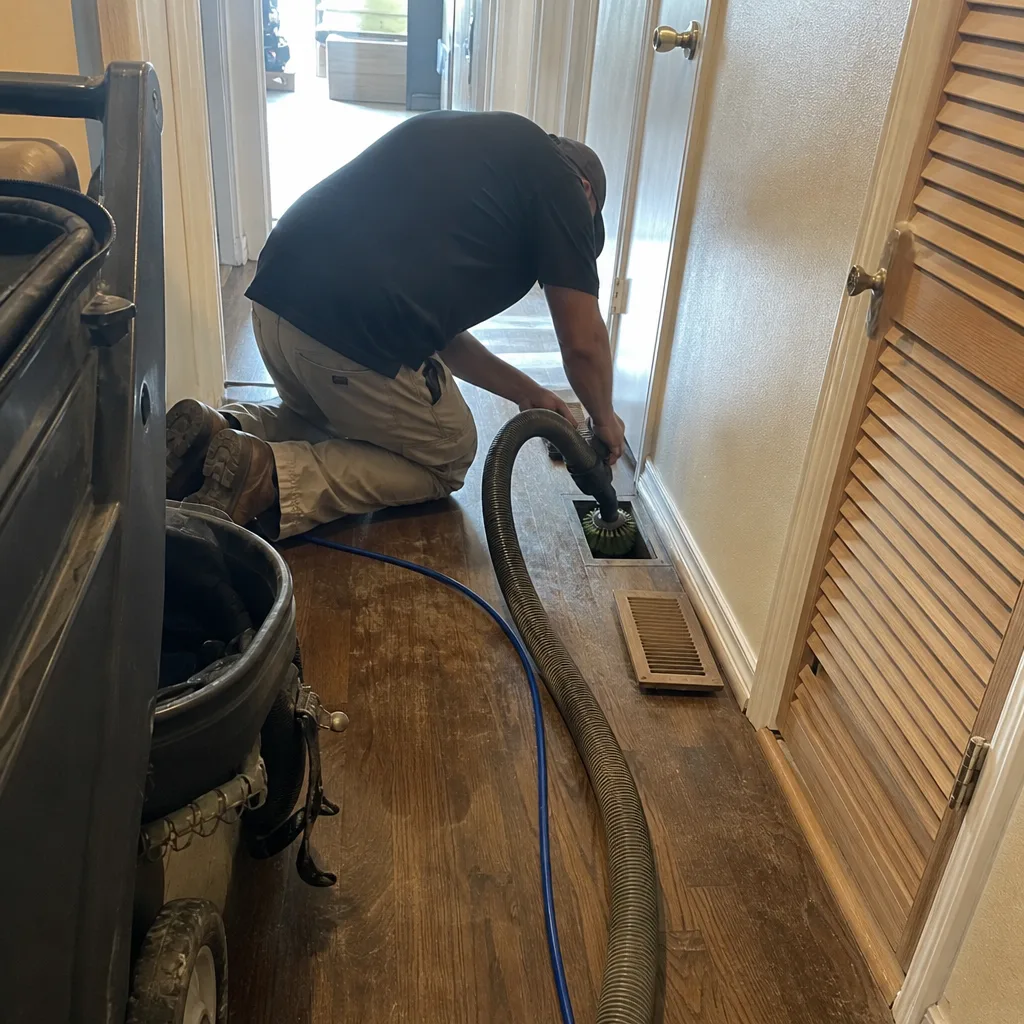
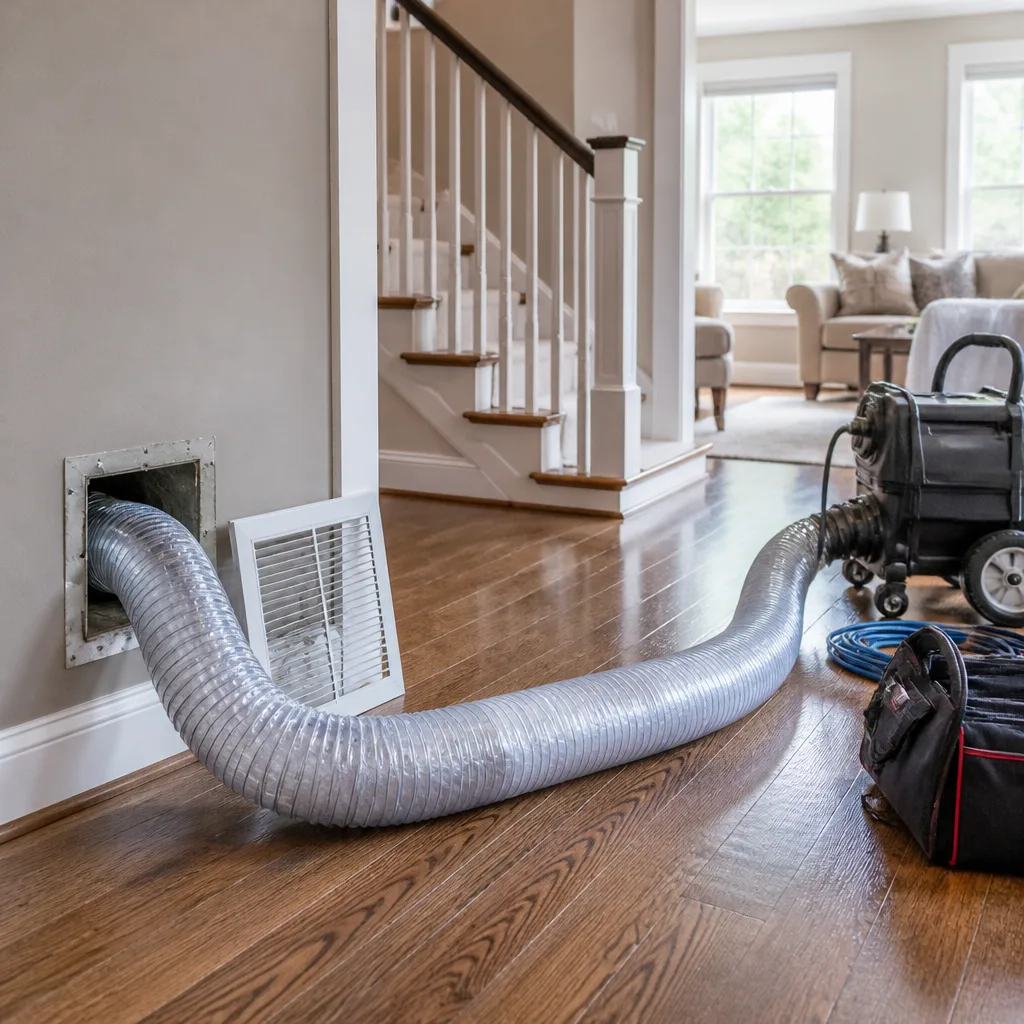 Whole-home duct cleaning
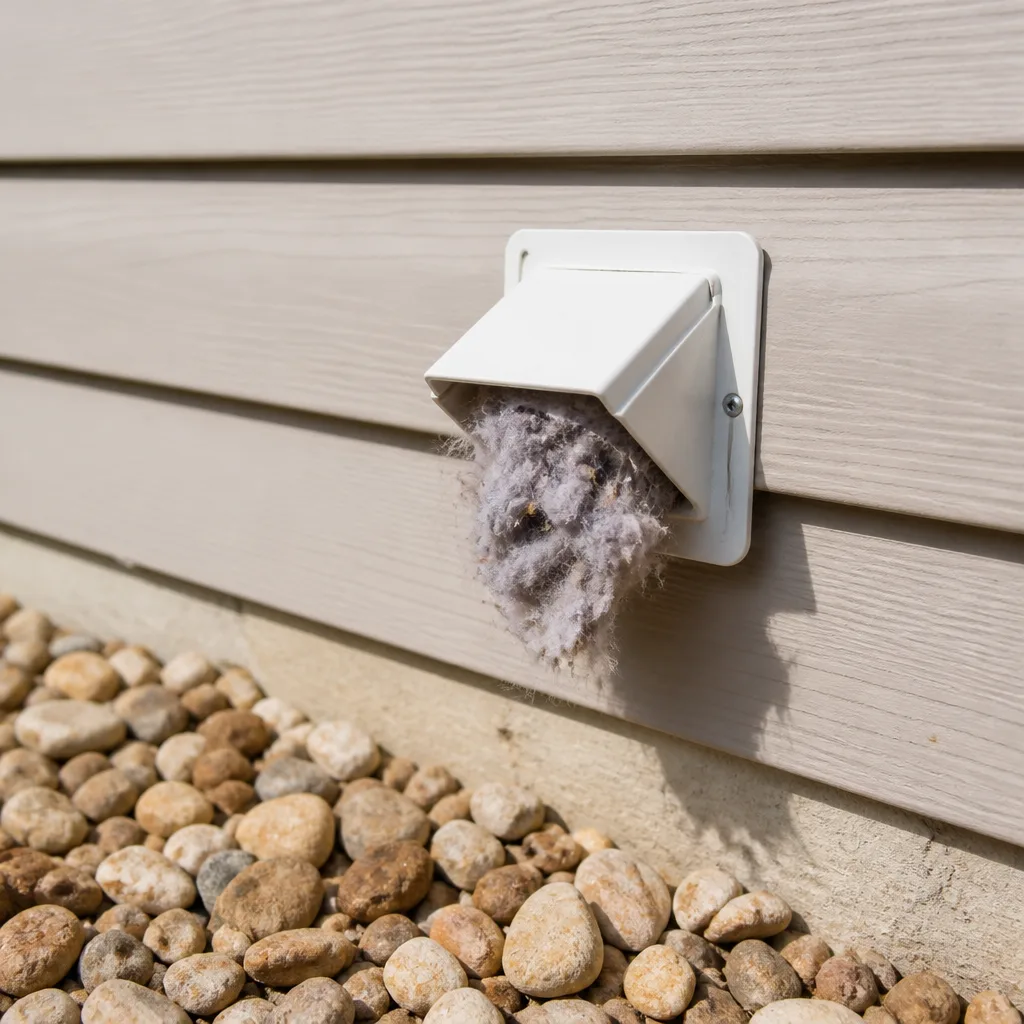 Dryer vent cleaning
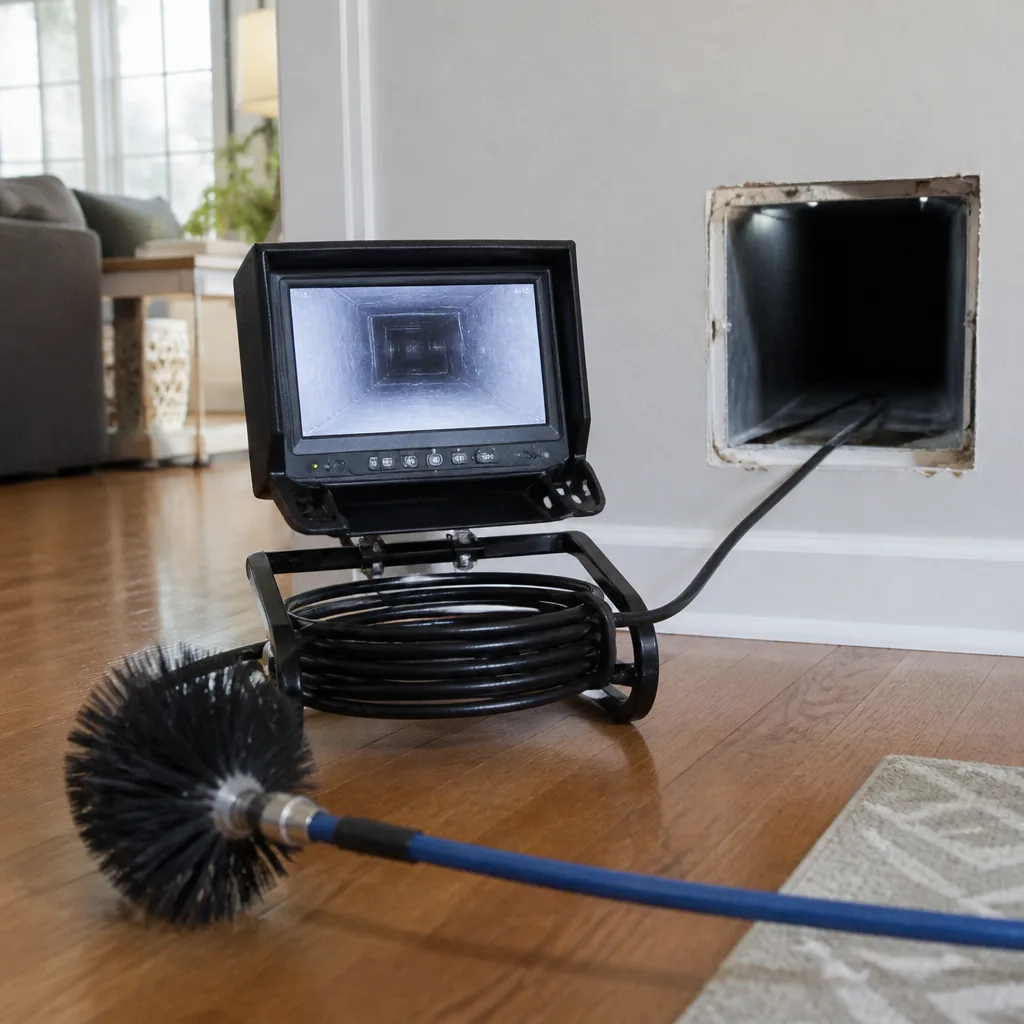 Camera inspection
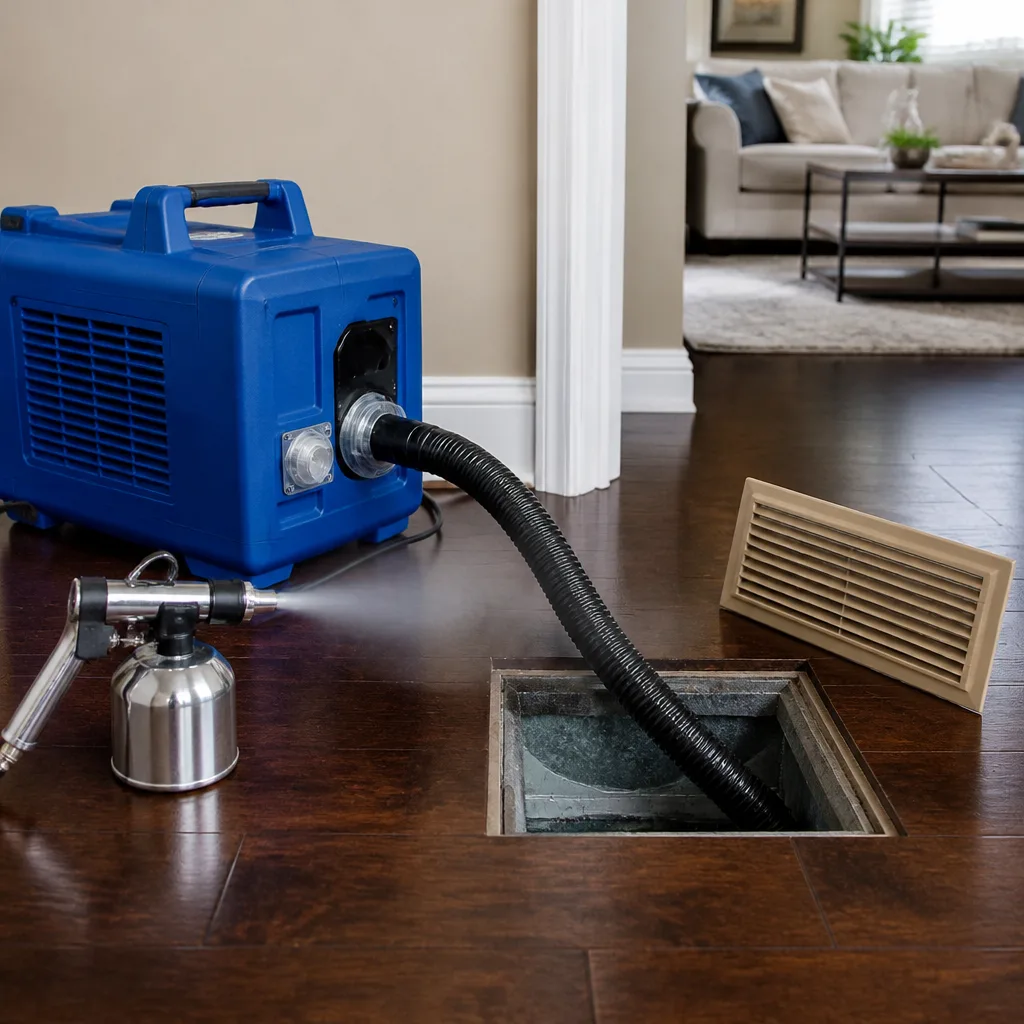 Sanitizing & deodorizing
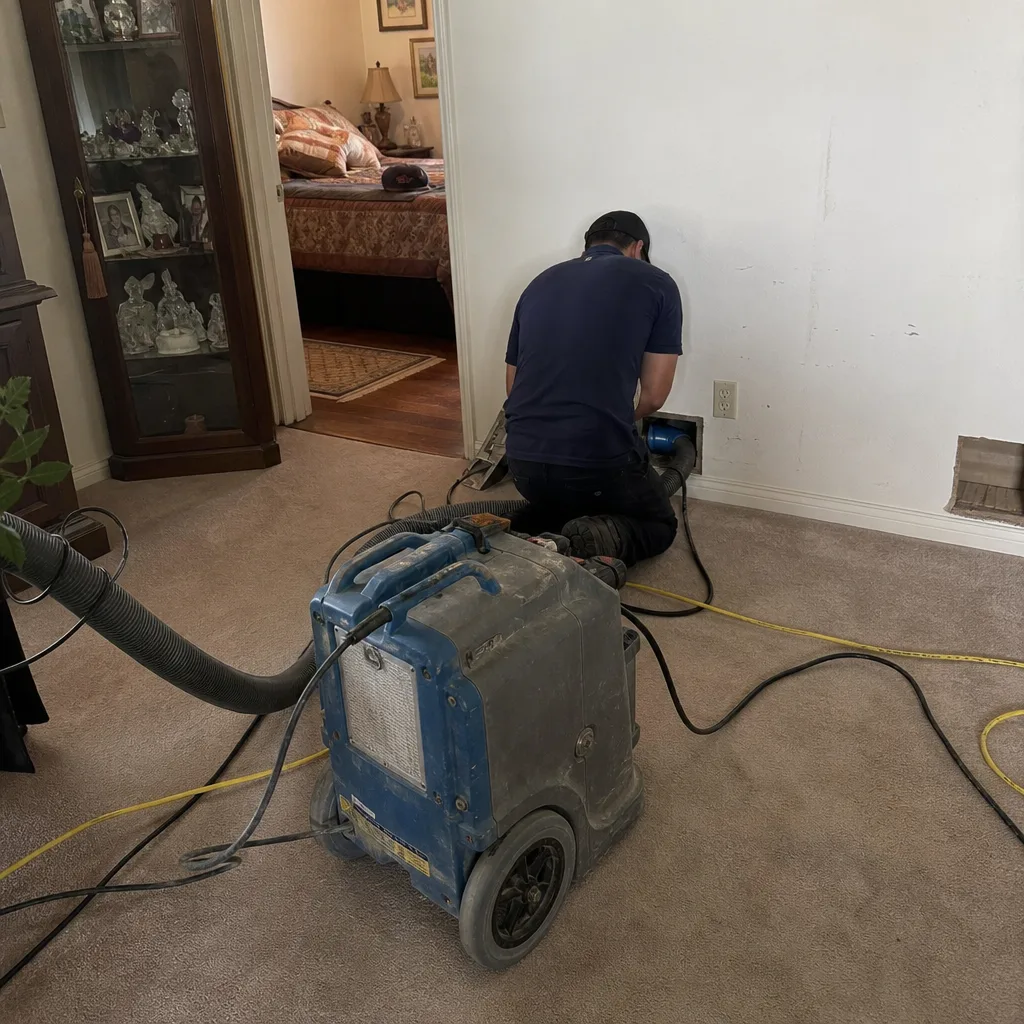
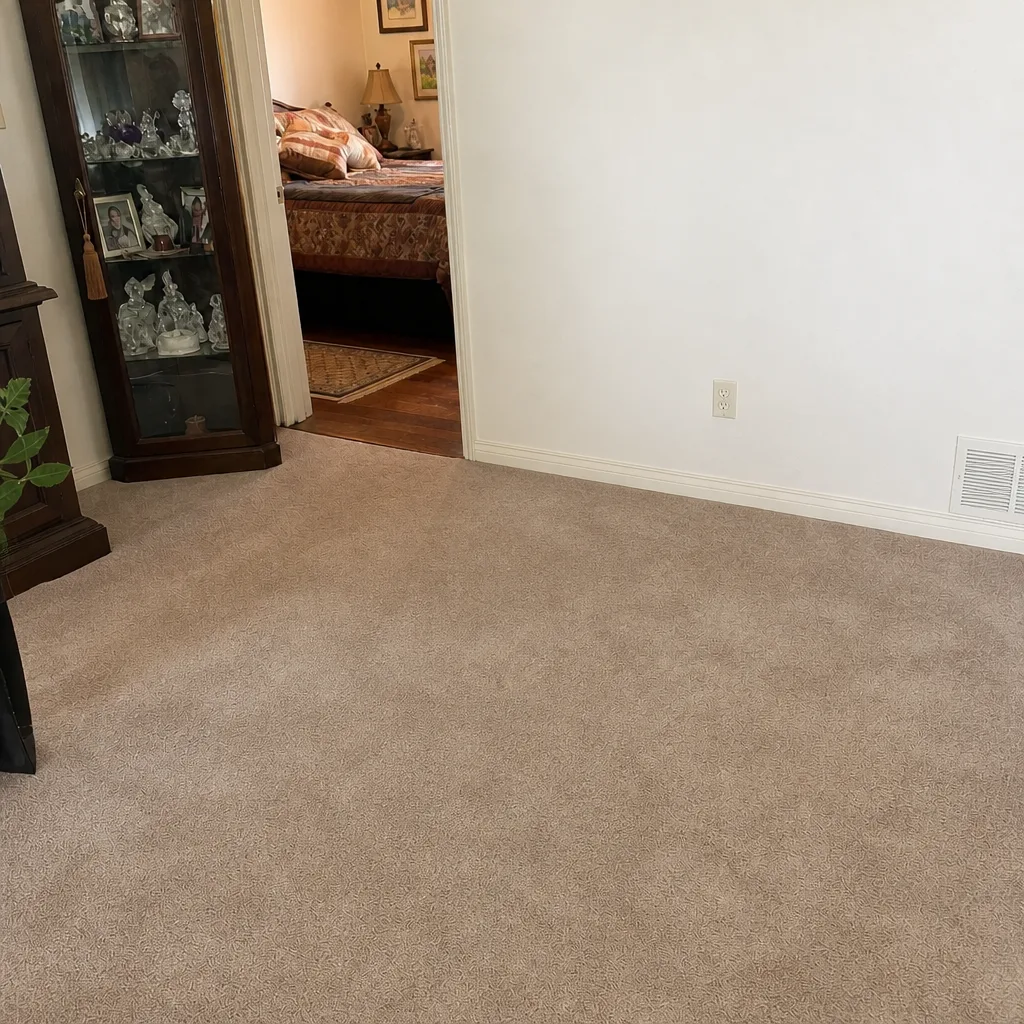
Whole-system duct and dryer vent check with before-and-after photos - you see exactly what came out of your vents
That "$99 whole-house special" is a bait ad - the real number appears once they are in your hallway, or the "clean" is a shop-vac at the register. We photograph the inside of your ducts before and after instead.
Air Duct Cleaning Emergency Preparedness Guide for Beaumont Homes
Most storm-prep advice for Beaumont homes focuses on roofs, windows, and sandbags. The duct system rarely makes the list. That’s a mistake. After a major flood or wind event, the ductwork running through your attic and walls becomes the main path for settled spores, insulation fibers, and debris to move back into the air you breathe. Cleaning the ducts before structural drying and mold work are finished just pushes that contamination around again. The sequence matters as much as the cleaning. This guide walks through the correct order of operations, how to tell whether your ducts were directly soaked or only affected by humidity, when to shut the HVAC off, how to document the system for an insurance claim, and why restoration-grade tools are the difference between a real job and a surface pass.
Quick Answer
Post-storm air duct cleaning in Beaumont should happen after structural drying and mold remediation are complete, not before. Ductwork that took on water directly needs inspection, possible repair or replacement, and abatement-grade cleaning equipment. Ductwork only exposed to high humidity still needs mechanical brush cleaning to remove settled spores. Shut the HVAC system down until an inspection confirms the ducts are dry and intact.
Table of Contents
- Why Sequence Matters After a Storm
- Direct Water Contact vs. Humidity Exposure
- When to Shut Down the HVAC System
- Documentation for Insurance Claims
- Equipment That Can Actually Handle Post-Flood Ducts
- The Inspection Checklist Before Any Cleaning
- Building a Storm Preparedness Kit for Your Duct System
- How Beaumont Geography Plays Into Duct Contamination
Why Sequence Matters After a Storm
Cleaning ductwork before the rest of the house is dry is one of the most common and most expensive mistakes we see after a storm. Here’s the problem: a wet structure keeps releasing moisture into the air. That moisture travels through the return side of your HVAC system, condenses on cool duct surfaces, and supports new mold growth inside the ductwork itself. If a crew cleans the ducts while the framing, insulation, or drywall is still wet, that new growth starts within days of the cleaning.
Hurricane Harvey made this lesson plain across southeast Texas. Homes that looked dried out and had visible water damage remediated were still showing musty air weeks later, because the HVAC was running and moving settled spores from compromised ducts back into living space. The visible damage was fixed. The hidden pathway wasn’t.
The correct sequence after a storm event looks like this:
- Stop the HVAC. Shut the system off the moment you suspect water or storm intrusion near the air handler or duct runs.
- Document condition. Photograph and note duct runs, insulation, and the air handler before anything is moved or cleaned.
- Dry the structure. Structural drying brings framing, insulation, and subfloor moisture down to normal levels.
- Complete mold remediation. Any confirmed mold growth in the building envelope is remediated and verified.
- Inspect ductwork. Interior surfaces, seams, boots, and the air handler are checked for moisture, mold, and physical damage.
- Clean with abatement-grade equipment. Mechanical brush cleaning with containment and negative air.
- Repair or replace damaged sections. Disconnected, crushed, or water-saturated duct runs are repaired rather than cleaned.
- Verify and document. Before-and-after photos and a written report for the record or the insurer.
Cleaning on step six without finishing steps three and four is how a home ends up recontaminated. The cleaning itself is thorough. The conditions around it aren’t ready yet.
Direct Water Contact vs. Humidity Exposure
Not every duct system in Beaumont takes on water the same way after a storm. The cleaning approach, the equipment, and the repair scope all depend on which category your ducts fall into. Two categories matter most.
Direct water contact
A duct run has direct water contact when floodwater, storm surge, or roof water physically reached the duct material. That usually means:
- Ductwork running through a flooded attic, crawlspace, or garage ceiling
- Flex duct that sagged into standing water and wicked moisture into the liner
- Sheet metal runs with visible water staining at the seams or boots
- The air handler cabinet or return plenum sitting in water at any point
- Insulated duct with soaked exterior wrap that stays damp for days
Direct water contact almost always means repair or replacement, not cleaning. Flex duct that has been soaked is typically discarded because the inner liner traps moisture and supports mold growth even after it looks dry. Sheet metal may be salvageable after surface cleaning and drying, but only if it’s still structurally sound and hasn’t begun to corrode at the seams.
Indirect humidity exposure
Indirect exposure is the more common case in Beaumont after a storm, and it’s easy to miss. The home may never have flooded, but the interior humidity spiked for days, the HVAC kept cycling, and that moisture-laden air passed through the ductwork. Settled dust in the ducts absorbs moisture and creates a surface where spores can start to grow. Ducts may look normal but smell musty, and the system starts delivering that smell into every room.
Indirect exposure is usually a cleaning job, not a repair job, but it needs mechanical agitation to remove the settled residue. Air-only washing leaves the film on the duct walls.
If you’re not sure which category your ducts are in, that’s exactly what the inspection step is for. Call us and we can walk through what to look for before you touch anything. For general service scheduling, see our air duct cleaning page.
When to Shut Down the HVAC System
Run the HVAC after a storm without an inspection first, and you can spread contamination through the entire duct system in a matter of hours. Every time the system cycles, it pulls air from the return and pushes it through supply runs to every room. If compromised ducts are holding spores, debris, or insulation fragments, that system becomes a distribution network for exactly what you’re trying to keep out of the air.
Shut the HVAC off if any of these are true:
- The air handler or furnace itself got wet, even at the base
- You can smell a musty or earthy odor when the system runs
- You notice visible water staining, sagging, or debris at any supply register
- Insulation around the duct runs looks damp or compressed
- A roof breach allowed water into the attic where ducts are routed
- Any room in the home had standing water for more than a few hours
That’s the conservative list, and it’s the right one to follow. The system can stay off for days while the house dries without harming the equipment in Beaumont’s climate. What harms the equipment is moisture sitting inside an air handler with the blower running, or debris pulled into the return plenum and coating the blower wheel.
Once the structure is dry and the ducts have been inspected, the system can come back on. If the inspection finds damage, the repair happens first. Our air duct repair service handles disconnected runs, crushed flex, and damaged boots in the same visit as the cleaning so you don’t have to call a second contractor.
Documentation for Insurance Claims
Insurers look for evidence, not impressions. “It smells musty in here” is rarely enough to move a duct system into a covered line item. A proper documentation package tells the story of the duct system before and after remediation in a way a claims adjuster can evaluate. We’ve seen claims move forward on this evidence and claims stall without it.
A strong documentation package includes:
- Pre-cleaning photos of every accessible register, return, and the air handler cabinet. Wide shots plus close-ups.
- Interior duct photos taken with a camera pushed into the runs at accessible points.
- Moisture readings at the air handler, duct boots, and any visible insulation wrap.
- A written narrative describing the storm event, the timeline, and the condition found at inspection.
- Post-cleaning photos of the same angles, from the same positions.
- A written scope of work describing exactly what was cleaned, repaired, or replaced, and with what equipment.
- Verification notes from the mold or water remediation contractor that the structure was dry before cleaning began.
Get the duct system documented in the same window you document the roof and the interior water damage. The longer the gap between the storm and the photos, the harder it is to connect the visible condition to the event. If you’re coordinating with an adjuster and need a written scope, ask us and we can work with your insurer on the documentation.
Equipment That Can Actually Handle Post-Flood Ducts
Standard air-washing rigs don’t clean post-flood ductwork. This is the technical heart of the guide, so let’s be specific about what the job actually needs. A consumer-grade or budget-cleaner setup pushes compressed air through the ducts and vacuums at the other end. That removes loose dust. It does not remove the film of settled spores and moisture-bound debris that sticks to duct walls after a humidity event or a flood.
Here’s what professional-grade equipment adds:
Rotobrush mechanical brush system
The Rotobrush is a rotary brush that physically agitates the duct walls as it travels through the run. That mechanical contact is what pulls the bonded film off the duct surface. Air-only methods can’t do this because they never touch the wall. After a storm, the difference matters: spores and fine debris settle and cling, and a brush is the only thing that breaks them free.
Abatement Technologies containment and negative air
Abatement Technologies equipment is the same remediation-grade negative-air and containment technology used in professional air-quality restoration work. Negative air pressure keeps contaminants inside the work zone instead of letting them drift into your living space while the ducts are being cleaned. On a post-flood job that’s not a nice-to-have, it’s how the cleaning protects the rest of the house.
Nikro professional cleaning tools
Nikro equipment covers the professional HVAC cleaning end of the setup, from high-powered vacuums to specialized wands and accessories. It’s the commercial-tier toolkit that keeps the cleaning consistent from the air handler through the last register.
Brand-name equipment isn’t the point by itself. The point is that post-storm duct cleaning in a home with a possible mold exposure history needs restoration-grade tools, containment, and mechanical agitation working together. Anything less leaves material behind, and that material starts to show up in the air again within weeks. If you want to understand the broader cleaning we do, our main page at Beaumont Duct Cleaning outlines the services.
The Inspection Checklist Before Any Cleaning
An inspection before cleaning protects both the home and the scope of work. Walk through this list yourself if you can, and expect a professional to repeat it before quoting a job.
- Locate the air handler and confirm whether water ever reached the cabinet
- Open each accessible register and check for moisture, debris, or musty odor
- Look for sagging or detached flex duct in the attic or crawlspace
- Check insulation wrapping around duct runs for damp spots or compressed sections
- Test the system’s return airflow by feel after it is safe to run again
- Look for mold growth visually where ducts run through conditioned or unconditioned space
- Confirm the structural drying and mold remediation steps are complete before scheduling cleaning
- Note any duct damage visible from the register openings
One inspection note: don’t open a duct and then leave it open. Sealed systems work better than partially assembled ones, and if you’re in a home with confirmed mold remediation in progress, every open duct is a potential breach of containment. Note the condition, close it back up, and wait for the right stage of the sequence.
For a home that has already gone through a full remediation, the inspection focus shifts to verifying the ducts are actually clean and not just visually clear. That’s where cleaning equipment capability matters, because you can’t see inside a 6-inch duct run from the register.
Building a Storm Preparedness Kit for Your Duct System
Preparedness isn’t only about batteries and water. A few simple items and habits make the post-storm duct situation easier to handle correctly.
- Know where your air handler is and how to shut it off. If you can’t find the breaker, an electrician or HVAC tech should show you before storm season.
- Photograph your duct system on a normal day. A few photos of each register, the air handler, and the duct runs give you a baseline to compare against after damage.
- Keep the number of a duct cleaning company handy. The most common delay in post-storm duct work is finding someone able to schedule the job at the right stage of the sequence.
- Note the location of all return registers. In a storm, they’re the path where moisture enters the system fastest.
- Save your HVAC system’s model and serial numbers. That’s the fastest way to confirm replacement parts or compatible repairs.
- Store a flashlight where you can reach it in a dark attic. Attic access is often the inspection point after a roof breach.
- Have a repair resource, not just a cleaning resource. Damaged ductwork that needs replacing should be handled by the same contractor who cleans and inspects.
The kit itself is simple. The value is in the deciding in advance. After a storm you don’t want to be searching for a number in the dark or guessing whether the system is safe to run.
Ductwork is only one of the two major vent systems in the home. Dryer vents handle a different kind of sustained risk from lint buildup, and after a storm, a lint-clogged vent is a fire risk on top of everything else. Our dryer vent cleaning service is a straightforward way to add that piece to your storm-season list. For homes across Beaumont, getting the two vent systems on the same schedule saves a phone call later.
How Beaumont Geography Plays Into Duct Contamination
Beaumont’s geography shapes how storm damage affects duct systems, and the pattern isn’t uniform across town. Homes with ductwork in a vented attic in Beaumont’s humid climate see moisture problems more quickly than homes with ducts inside conditioned space, because the attic itself can stay humid for weeks after a storm even after the living space is dry.
The Neches River corridor and the low-lying neighborhoods near it carry more flood exposure during storm surge and heavy rain events, and that exposure is the direct-water-contact category for duct systems. Homes further from the river still see indirect humidity exposure when a storm knocks out power and the AC sits idle for days while the indoor humidity climbs. Both categories need a cleaning, but only the first usually needs repair or replacement.
The cooling season in Beaumont runs long, and that matters. A duct system cleaned in September after a summer storm will see continued heavy cycling through the rest of the season, so any missed debris or film gets another chance to circulate. Post-storm cleaning timing matters for exactly that reason: cleaning at the right point in the sequence means the system is ready for the hot weeks ahead, and cleaning too early means the home is running that cycling through a system that isn’t truly clean.
Windows and doors also matter. Older Beaumont homes with leaky envelopes pull humid outside air into the return more aggressively, which accelerates the humidity exposure category. If your home is one of them, cleaning right after storm season is the more intelligent scheduling choice. Not urgent, but early.
Common Mistakes to Avoid
- Cleaning ducts before structural drying is complete. New mold starts inside the ductwork within days of the cleaning. Drying first, cleaning after.
- Running the HVAC after a storm without an inspection. The blower pushes contaminated air through every room in the house. Shut it off until the ducts are checked.
- Assuming “no visible water” means no duct problem. Indirect humidity exposure is the more common case in Beaumont and it leaves no visible damage at the register.
- Hiring on price when the equipment is the point. A budget quote on post-flood ductwork usually means air-only cleaning and no containment. The contaminants stay right where they were.
- Skipping photographic documentation before cleaning. Insurance claims that stall are usually missing a before-cleaning record of the duct system’s actual condition.
- Letting a clean job stand in for a repair. Disconnected or crushed duct runs pull return air from an attic or crawlspace. Cleaning doesn’t fix that. Repair does.
- Assuming a storm-stressed system is a “wait and see” situation. The longer a damp duct system sits, the more the growth spreads, and the bigger the cleaning scope becomes.
When to Call a Professional
Call a professional duct cleaning service in Beaumont when any of the following is true:
- Your home flooded, or the attic took on water anywhere near the duct runs
- You can smell musty or earthy odor when the HVAC cycles, with no obvious source
- Ductwork looks sagging, disconnected, or crushed at the register
- Anyone in the home has allergies or asthma and symptoms worsened after the storm
- You’re preparing an insurance claim and need a documented cleaning scope
- It’s been a while since the ducts were last cleaned and the home has been through a recent storm
A professional inspection and cleaning gives you a factual answer about duct condition, an accurate scope of work, and documentation you can hand to an insurer if needed. It also confirms whether the problem is cleaning or repair, which you can’t tell from the outside. Beaumont Duct Cleaning offers free estimates in Beaumont. Call (866) 935-2761. We answer 24/7. Fast dispatch from 7am to 7pm, Sunday through Friday.
Frequently Asked Questions
Wait until structural drying and mold remediation are complete, then clean – typically a few weeks after the storm, not the next day. Cleaning before the house is dry recontaminates the system. We can inspect right away to determine which stage your home is at, and then schedule cleaning at the correct point in the sequence.
Most homes in Beaumont fall in a few hundred dollars for a standard whole-system cleaning, and post-storm jobs involving repair or containment can run more depending on scope. The price is set per job by a free written estimate, not a per-vent rate. Call (866) 935-2761 for an exact quote.
The cheap quotes usually reflect the equipment. Air-only cleaning with a shop-vac-style setup costs less to run than restoration-grade equipment, and it also leaves the film on the duct walls. Mechanical brush cleaning with proper containment is a different job and a different price. Ask what equipment is being used before committing.
You should see before-and-after photos of your own ducts, not stock images. You should also see a written scope describing what was cleaned and with what equipment. If a contractor won’t show you the interior of your ductwork after the cleaning, that’s the question to ask before you pay.
Repair is needed if any duct run is disconnected, crushed, or saturated with water. Cleaning alone handles indirect humidity exposure and settled dust. A professional inspection tells you which category applies to each run in your system. Beaumont Duct Cleaning handles both cleaning and repair, so you don’t have to call a second contractor. Call (866) 935-2761 for a free estimate.
Every few years is fine for most homes without a triggering event, but any storm that flooded the home or spiked indoor humidity is a trigger. Beaumont’s humidity means cleaning sooner after a storm is the smarter choice. Call (866) 935-2761 to schedule an inspection.
The Bottom Line
Post-storm duct cleaning in Beaumont works when it’s done in the right order and with the right equipment. Structural drying and mold remediation come first. Duct inspection and cleaning come after. Contaminants captured during the cleaning need restoration-grade containment, and mechanical brush cleaning is what actually removes the film that air-only methods leave behind. Document everything for insurance before and after. Shut the HVAC off until the ducts have been inspected. And if the ductwork itself is damaged, repair it in the same visit as the cleaning. If you need the job done properly, call (866) 935-2761 for a free estimate. We answer 24/7. Fast dispatch from 7am to 7pm, Sunday through Friday.
Written by the team at Beaumont Duct Cleaning.
Styles & brands we work with
- Whole-home duct cleaning
- Dryer vent cleaning
- Camera inspection
- Sanitizing & deodorizing
See the difference
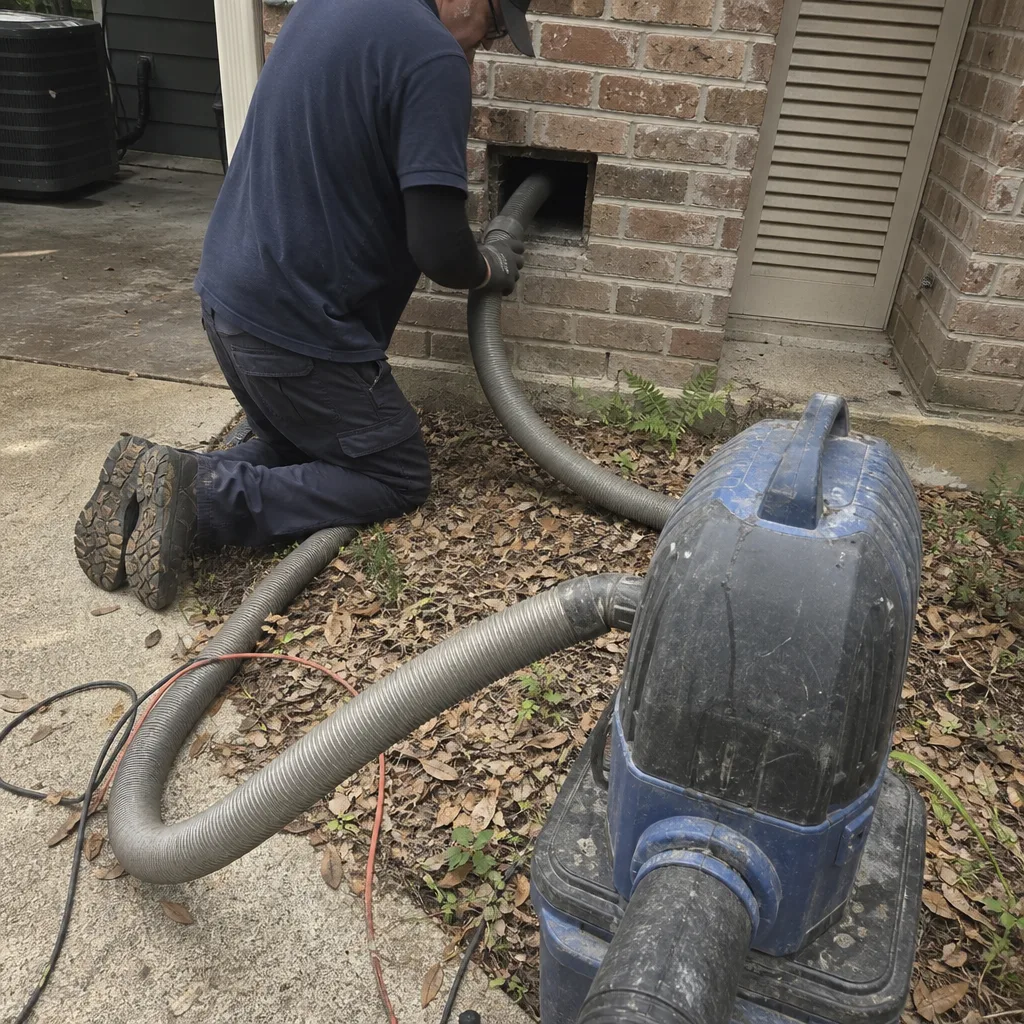 Before
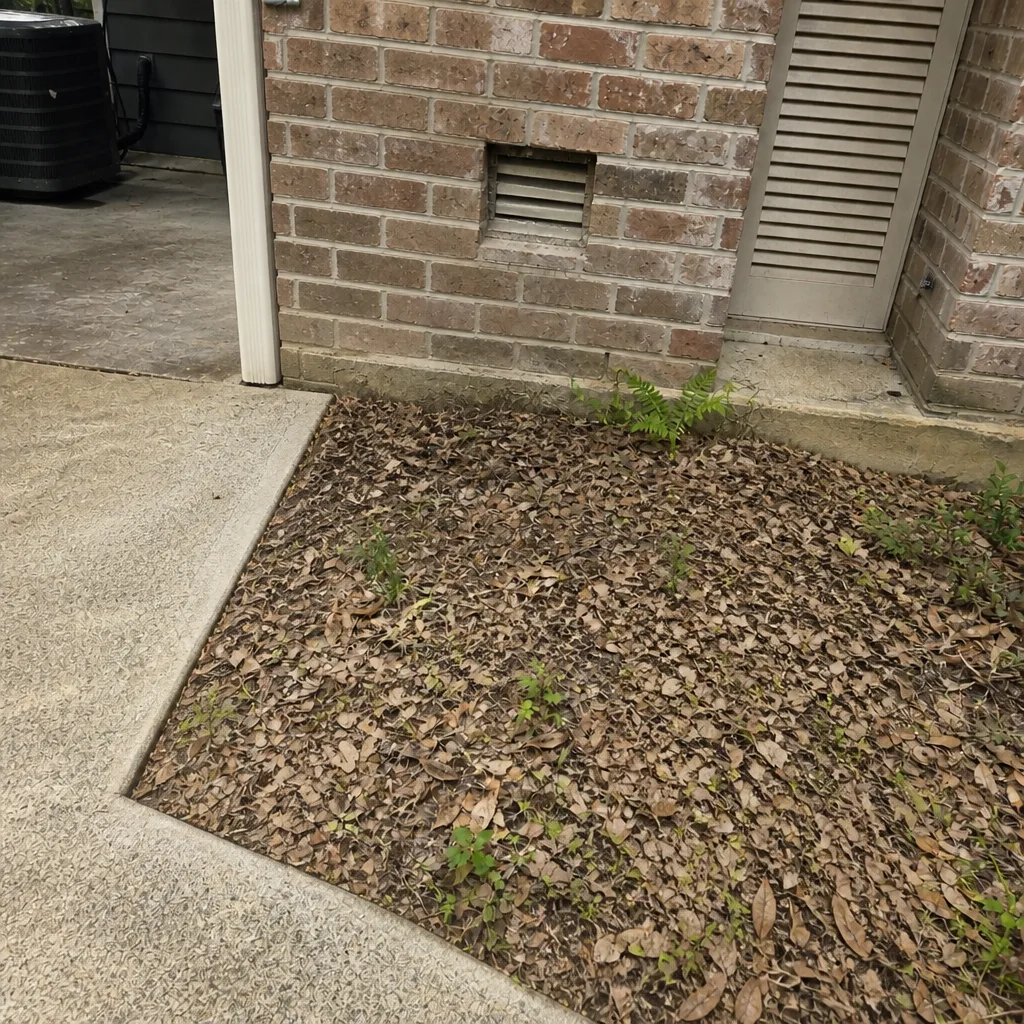 After
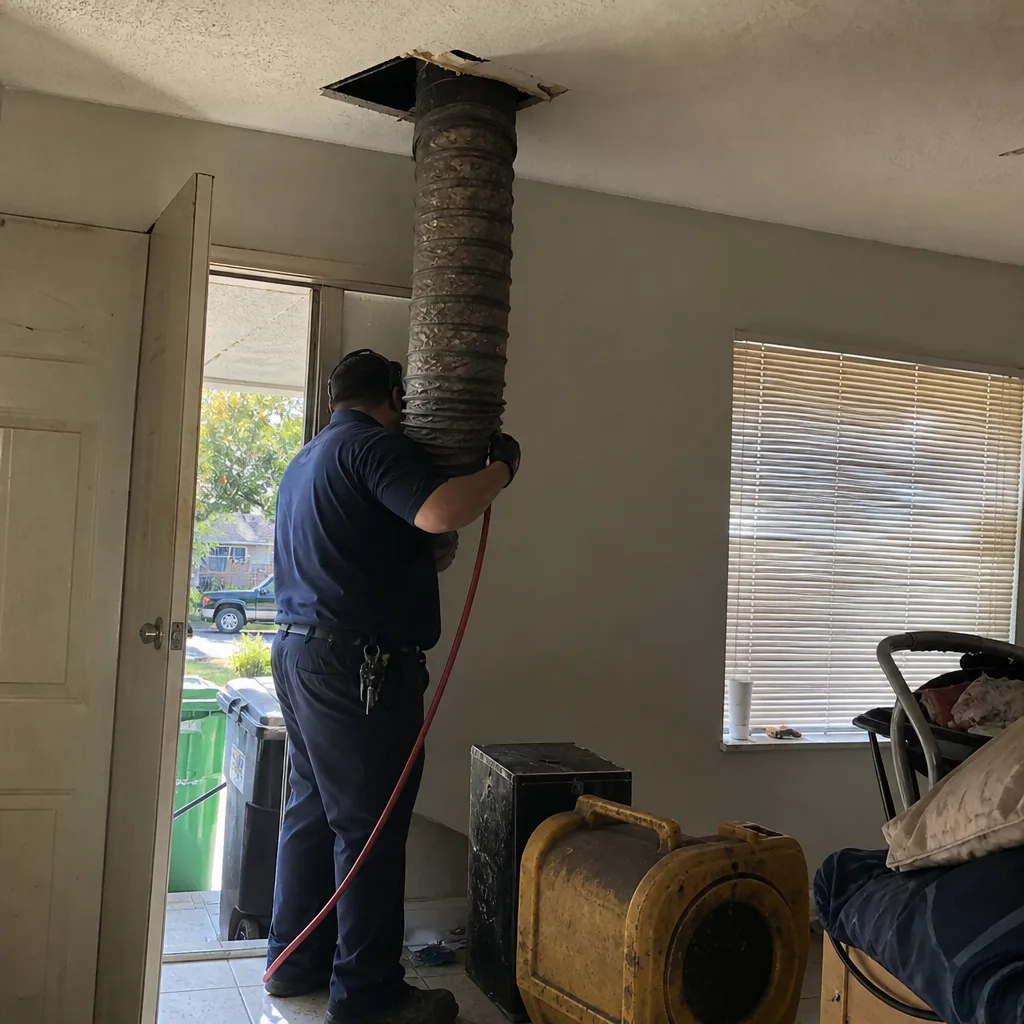 Before
 After
 Before
 After