
Last updated November 16, 2026
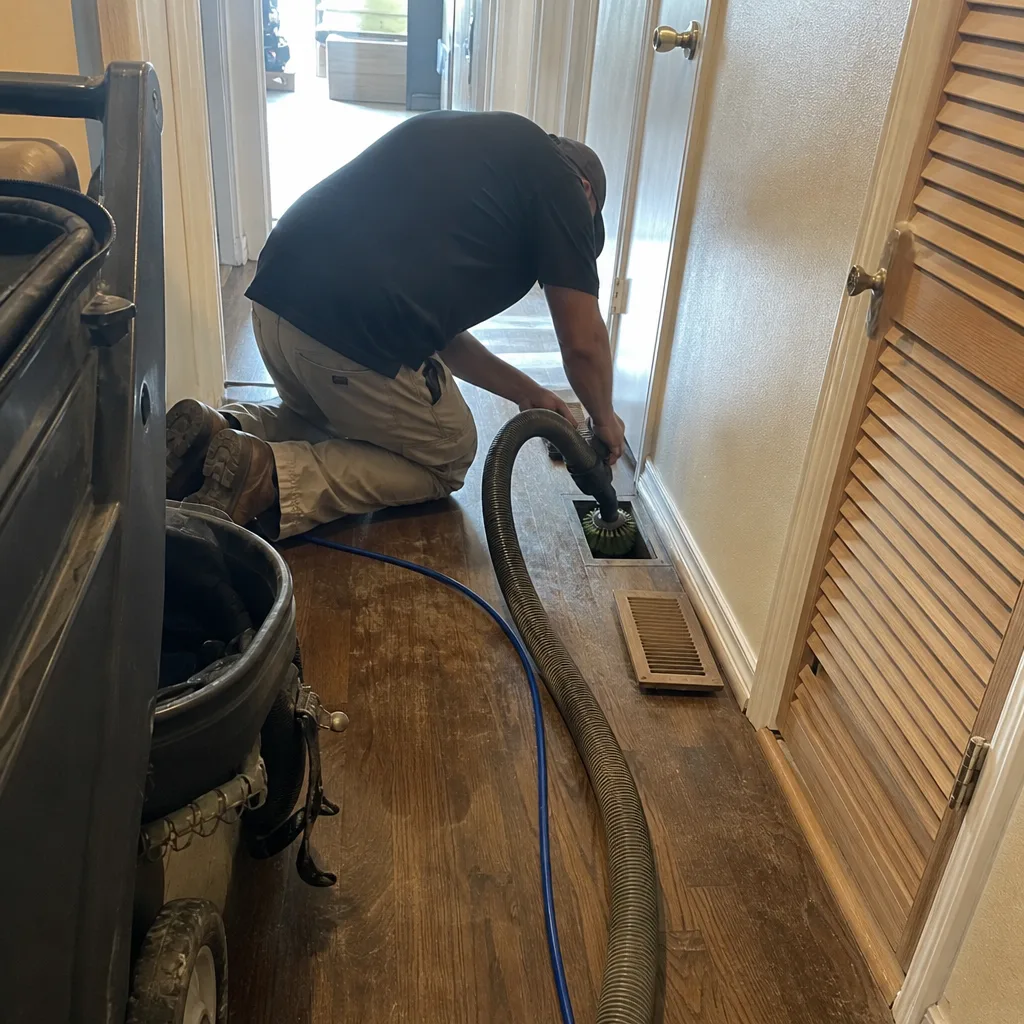
 Whole-home duct cleaning
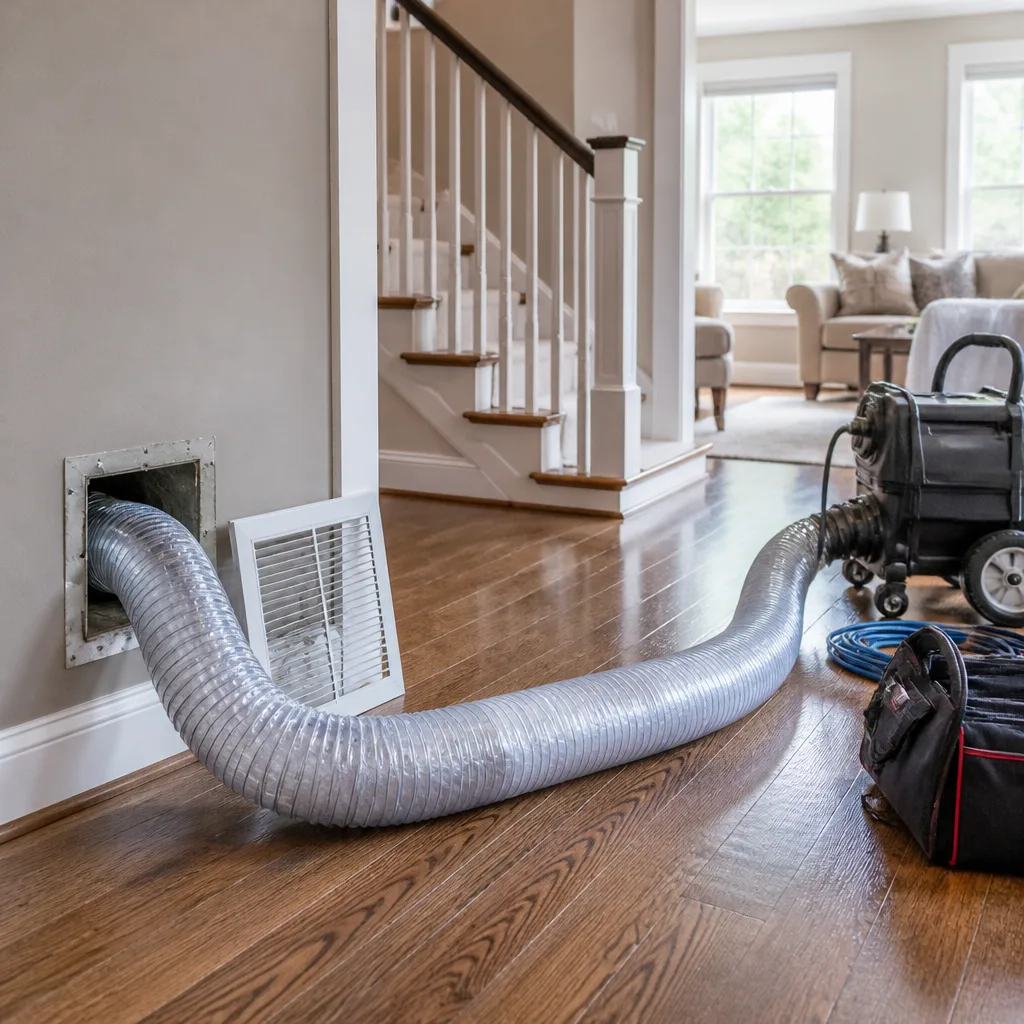
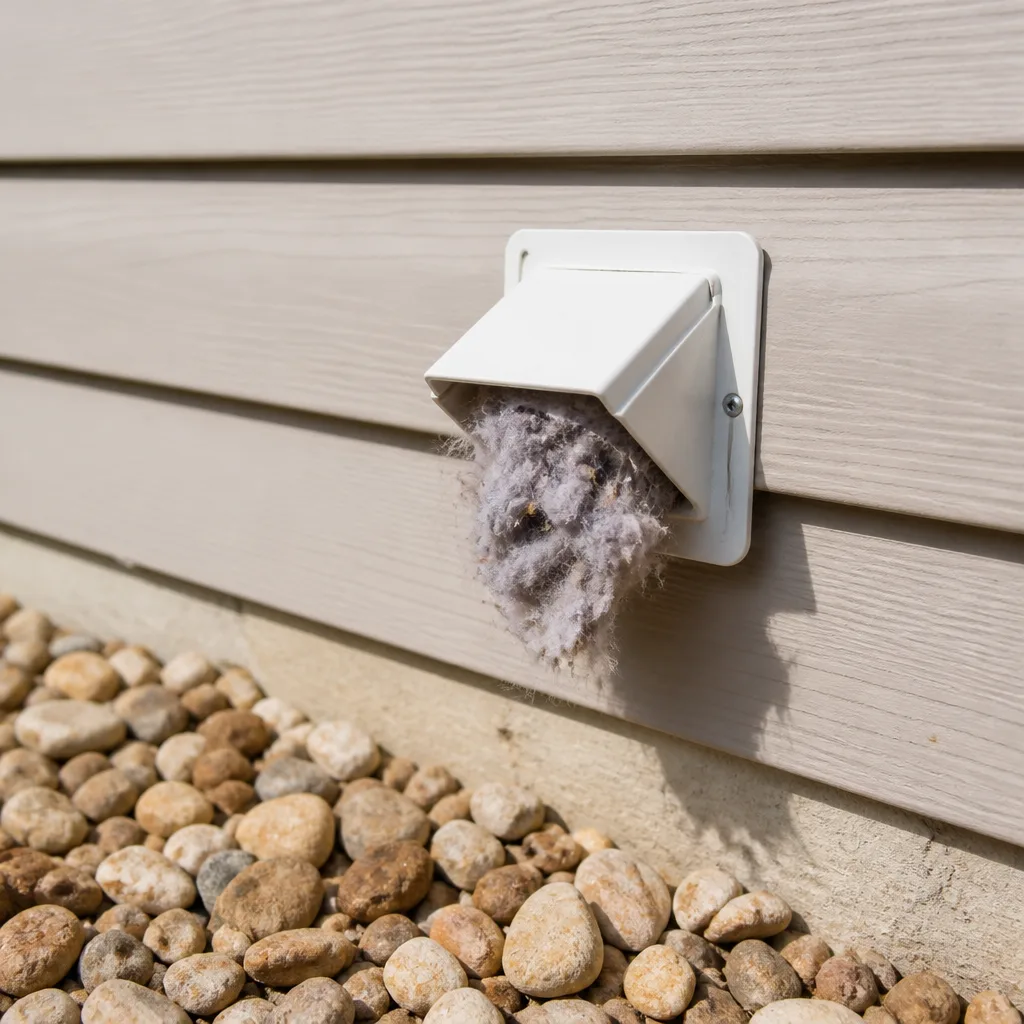 Dryer vent cleaning
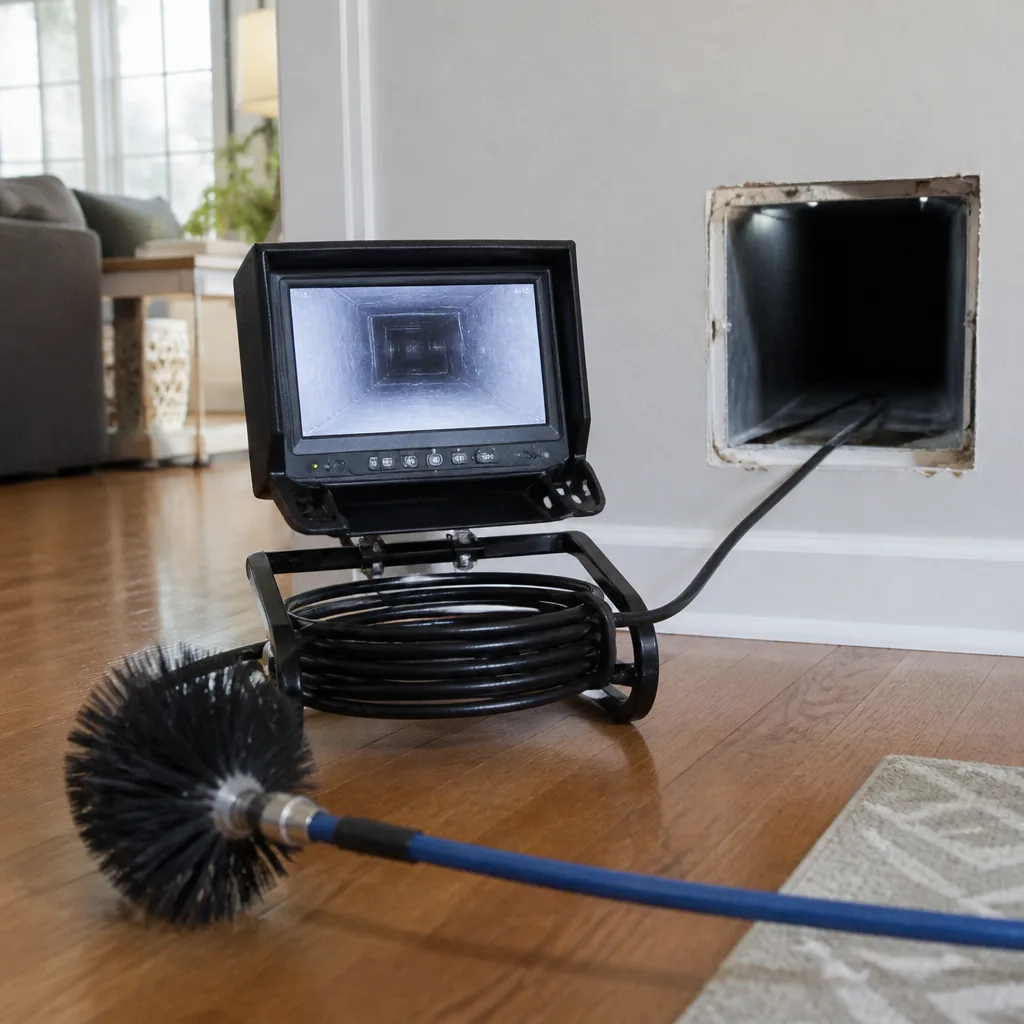 Camera inspection
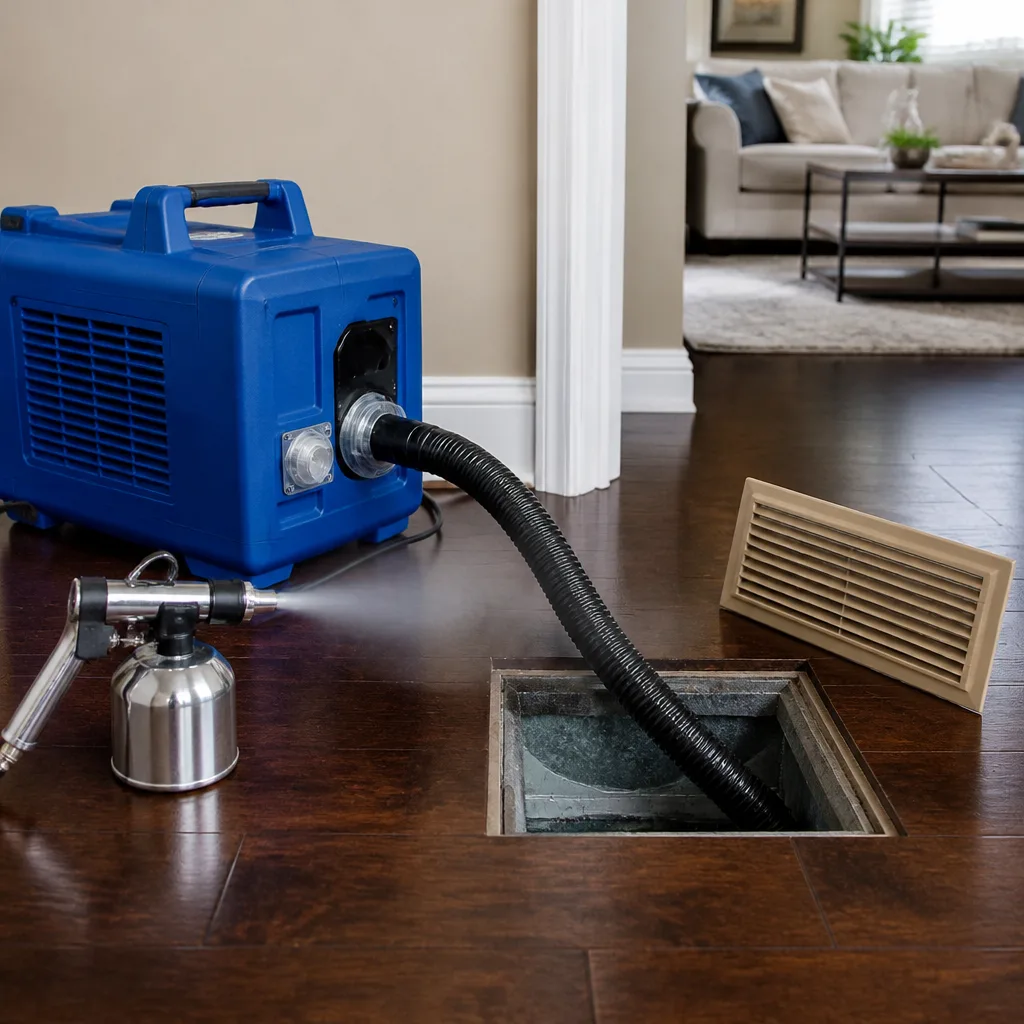 Sanitizing & deodorizing
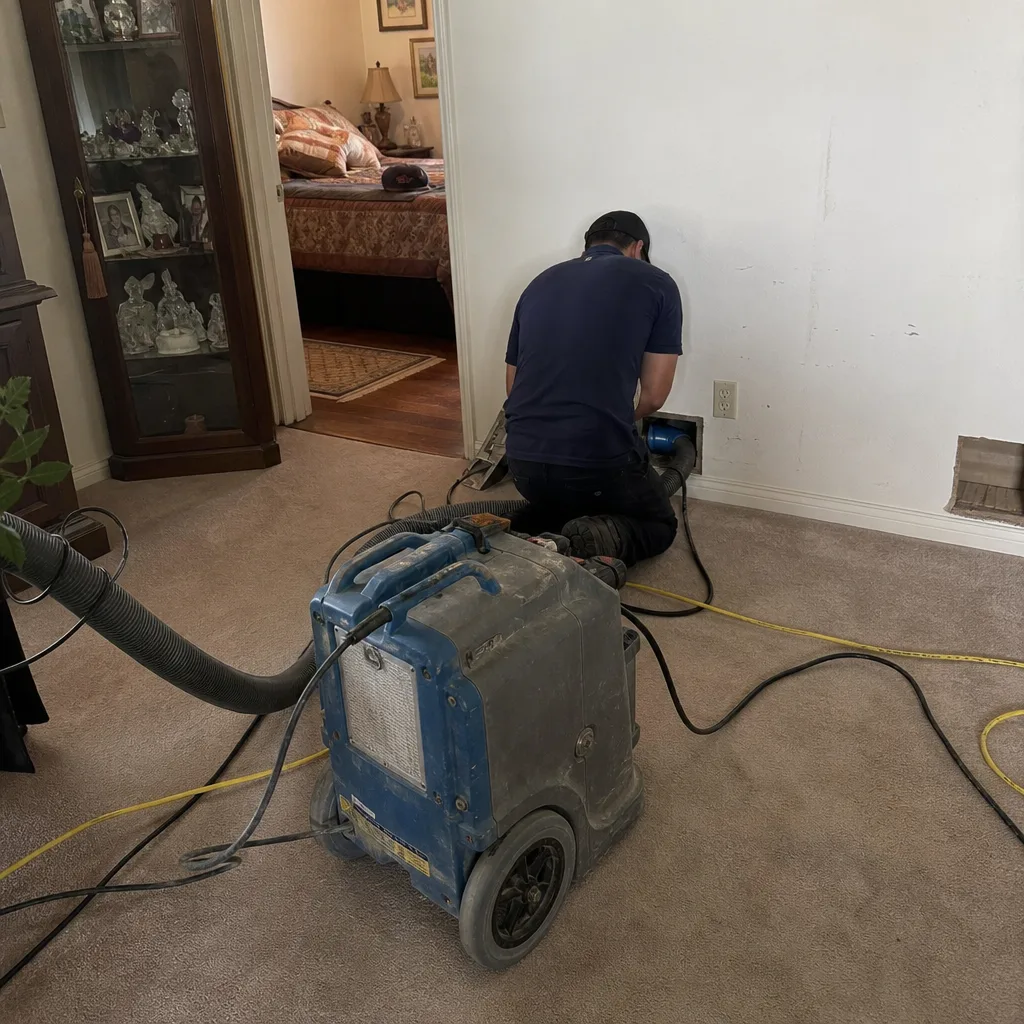
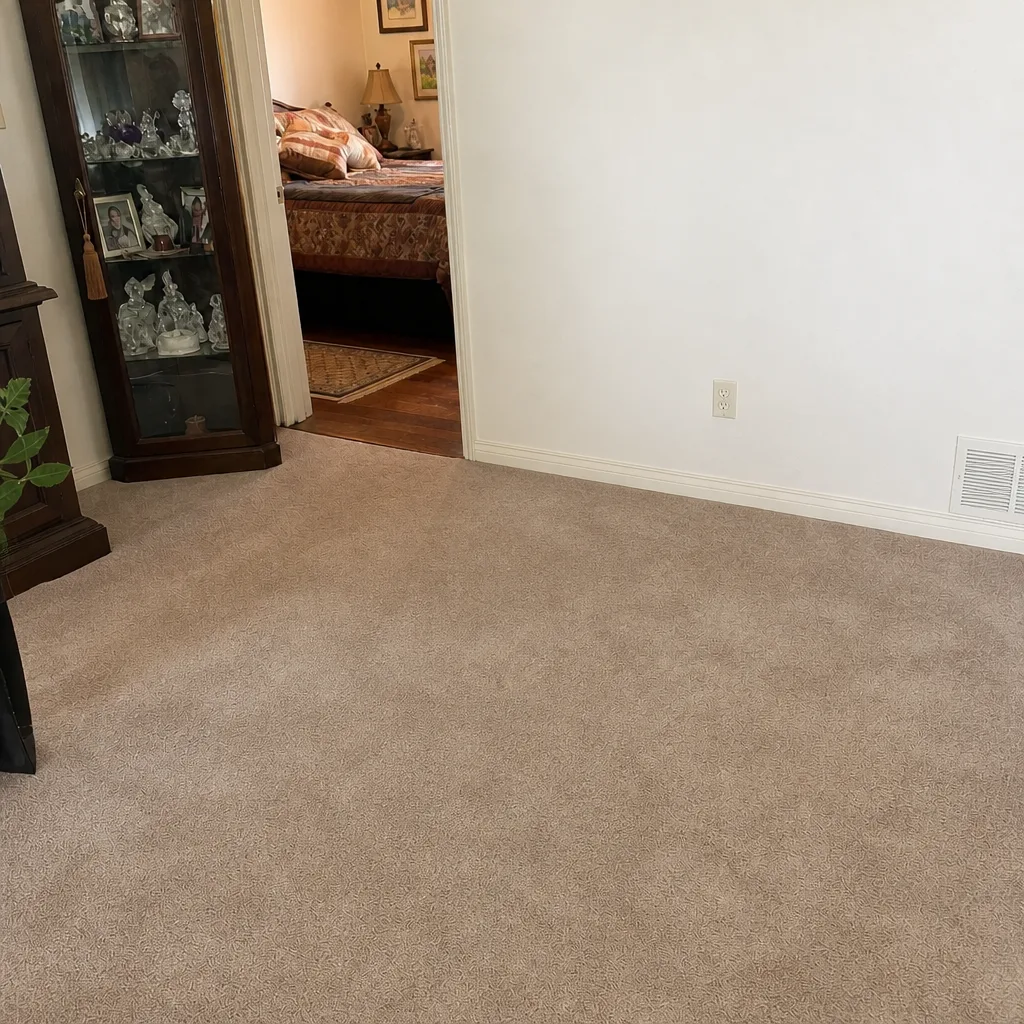
Whole-system duct and dryer vent check with before-and-after photos - you see exactly what came out of your vents
That "$99 whole-house special" is a bait ad - the real number appears once they are in your hallway, or the "clean" is a shop-vac at the register. We photograph the inside of your ducts before and after instead.
DIY vs Professional Air Duct Cleaning: The Beaumont Homeowner’s Decision Guide
Most advice about duct cleaning focuses on the wrong variable. It’s not whether you’re handy enough or willing to rent equipment. It’s that a consumer drill brush and a shop vac move around 150 CFM of air, while restoration-grade negative air machines move 2,000 CFM or more. That gap isn’t marketing. It’s physics, and it sets a hard ceiling on what any DIY effort can reach inside your duct system. In Beaumont, where humid Gulf air keeps HVAC systems working hard for most of the year, that ceiling matters more than homeowners realize. This guide walks through what DIY register cleaning genuinely accomplishes, where the equipment threshold sits, which situations can’t be DIY’d no matter how much effort you put in, and how to self-assess your own ducts before you call anyone.
Quick Answer
DIY air duct cleaning is worth doing for surface-level register and return-grille maintenance, but it cannot replace professional cleaning because consumer equipment can’t generate the negative air pressure required for source removal. A shop vac pulls debris from what you can reach; a professional setup pulls it from the entire system under controlled containment. If your ducts show mold, flood damage, renovation debris, or vermin activity, professional service is the only safe option.
Styles & brands we work with
- Whole-home duct cleaning
- Dryer vent cleaning
- Camera inspection
- Sanitizing & deodorizing
Table of Contents
- What DIY Register Cleaning Actually Does
- The Equipment Threshold: Why CFM Matters
- Source Removal vs Surface Agitation
- When Professional Cleaning Is Non-Negotiable
- The Honest Cost Comparison
- How to Self-Assess Your Ducts with a Camera
- How Often Ducts Really Need Cleaning in Beaumont
- How to Choose a Duct Cleaner
What DIY Register Cleaning Actually Does
Cleaning your supply registers and return grilles with a vacuum brush is real maintenance, and it’s worth doing. It reduces the dust and debris that settle on the visible surfaces where air enters each room. It cuts down on the loose material that gets pushed around every time the system cycles. Homeowners who keep their registers clean tend to notice less dust settling on furniture and window sills, especially in older Beaumont homes with original sheet metal ductwork.
What register cleaning does not do is clean the inside of your ducts. The register is the endpoint. Behind it sits a branch run, a trunk line, and a plenum, and those surfaces collect dust, pollen, and construction debris year after year. A vacuum hose inserted into a register can reach a foot or two, at best. It cannot reach around corners, cannot agitate material bonded to duct walls, and cannot move enough air to lift settled debris in quantities that matter.
Think of it this way. Wiping down a register is like sweeping a porch. It removes what’s on the surface, and that’s a good habit. But the dust that’s settled inside the duct behind it needs a different tool entirely. Calling professional air duct cleaning is the equivalent of hiring a crew to actually clean the inside of the house, not just the porch.
- What DIY does well: removes visible dust from registers and grilles, keeps return-air surfaces clean, reduces dust that cycles into rooms.
- What DIY can’t reach: branch runs, trunk lines, plenum surfaces, and any debris that has bonded to duct walls.
- Why it matters in Beaumont: long cooling seasons mean more hours of air movement through the same ductwork, so buildup accumulates steadily.
The honest framing is that DIY register cleaning is worth doing as routine maintenance, but it is not a substitute for a professional cleaning of the system itself. Those are two different jobs, and confusing one for the other is the most common mistake homeowners make.
The Equipment Threshold: Why CFM Matters
CFM stands for cubic feet per minute, and it measures how much air a machine can move. That number is the single most important spec when comparing DIY approaches to professional work, because duct cleaning is a source-removal job. You’re not wiping a surface. You’re capturing loose and bonded material from inside a closed system and pulling it into a container without letting it escape into the house.
A consumer shop vac rated for home use typically moves somewhere in the range of 100 to 200 CFM at the hose end, and that number drops as the hose gets longer and narrower. A drill-attachment brush doesn’t move any air at all; it just agitates material on the surface it touches. A truck-mounted or restoration-grade negative air machine moves 2,000 CFM or more through a dedicated duct connection, which is what creates the pressure differential required to lift debris from an entire run at once.
That’s not a sales pitch. It’s a working limit. A machine that can’t generate negative pressure inside the duct can only clean what it physically touches, which means the material sitting in the middle of a long run stays there. Professional setups also pair high CFM with containment: equipment from brands like Abatement Technologies is designed to hold negative pressure in the work zone so the dust you’re lifting goes into the machine, not back into your living room.
- Consumer shop vac: roughly 100-200 CFM, hose reach limited, no containment.
- Drill-attachment brush: agitation only, no air movement, no containment.
- Rotobrush rotary brush system: mechanical agitation combined with high-volume vacuum and containment, the system used by certified duct cleaning professionals.
- Restoration-grade negative air machine: 2,000 CFM or more, works in tandem with mechanical brushes to pull material from the full run while maintaining containment.
Beaumont Duct Cleaning runs the Rotobrush system on every job because it combines brush agitation with real suction, paired with Abatement Technologies containment equipment. Those tools close the gap between what DIY can touch and what the full system actually contains.
Source Removal vs Surface Agitation
The industry distinguishes between two kinds of cleaning: surface agitation and source removal. Surface agitation means loosening material with a brush or air jet. Source removal means capturing that material and getting it out of the system entirely. DIY work almost always stops at agitation. Professional work is designed to complete the removal.
Here’s the practical difference. When a homeowner pushes a brush down a register, some dust loosens and falls into the run. When a professional runs a rotary brush through the same run with the system under negative pressure, that loosened material gets captured and pulled back up the duct into a HEPA-filtered collection unit. In a Beaumont home with years of accumulated dust and pollen sitting in a long run, that difference is the whole job.
The brushes matter, but so does the order of operations. A proper cleaning follows a sequence:
- Containment. Set negative pressure at the collection point before anything is disturbed.
- Register and grille removal. So the duct interior is accessible from both ends.
- Mechanical agitation. A rotary brush travels the length of each run, loosening bonded debris from duct walls.
- Source capture. The negative air machine pulls everything loosened back to the collection unit.
- Verification. Visual inspection confirms what was reached and what was captured.
Beaumont Duct Cleaning uses Rotobrush for step three and Nikro professional HVAC cleaning equipment for the containment and capture stages. The whole process is designed so the material actually leaves the system, rather than getting stirred and re-deposited in a different section of the same run.
One more piece: cleaning alone doesn’t fix a duct system that’s leaking, disconnected, or poorly sealed. That’s why a complete duct service includes Beaumont Duct Cleaning‘s air duct repair capability, so a cleaning doesn’t have to be followed by a second contractor visit when something is found damaged.
When Professional Cleaning Is Non-Negotiable
Some duct conditions cannot be addressed by DIY at any level of effort. If any of the following apply, professional service is the only safe and effective option:
- Post-flood or water intrusion. After any flooding event in Beaumont, ductwork can hold moisture in insulation and crevices. Wet debris is a mold food source, and DIY equipment can’t dry or remediate the system or remove material that has already begun to break down.
- Visible mold inside ducts or at registers. Mold requires containment, HEPA filtration, and controlled removal. Disturbing mold with a shop vac without containment can spread spores through the house.
- Renovation debris. Drywall dust, sawdust, insulation fragments, and construction grit settle deep in the system during a remodel. It’s often bonded to surfaces and needs mechanical agitation to break loose.
- Vermin intrusion. Rodents or birds nesting in duct runs leave behind material that requires proper PPE, containment, and sanitation. This is not a household task.
- HVAC performance issues. If airflow is restricted system-wide, the problem is usually deeper than the registers, and only a full-system inspection can find it.
- Suspected disconnected or damaged ductwork. A gap in a run means your HVAC is pulling air from unconditioned space. That’s a repair job, and it needs a qualified technician.
In each case, the limiting factor isn’t effort or skill. It’s the equipment. A shop vac cannot create negative pressure in a sealed duct run, and a brush cannot remove mold from a porous surface. That’s not a limitation of the homeowner. It’s a limitation of the tools available at retail.
Beaumont Duct Cleaning handles all of these as part of the same service. Cleaning, dryer vent cleaning, and air duct repair are all completed by the same team, which means one call covers the diagnosis, the cleaning, and any repair the system needs.
The Honest Cost Comparison
DIY duct cleaning is cheaper on paper, and that’s a fair argument. A shop vac, a brush attachment, and a Saturday afternoon cost far less than professional service. The question is what you actually get for the difference, and whether the savings hold up over time.
Here’s how the two options compare on a per-job and per-year basis:
- DIY register and grille cleaning: minimal cost, useful as ongoing maintenance, but doesn’t clean the duct interior.
- DIY with rental equipment: moderate cost, limited by rental machine specs, still lacks restoration-grade containment and mechanical brushes.
- Professional full-system cleaning: a higher upfront cost per visit, but the only option that addresses the entire system, with mechanical agitation, negative pressure, and containment as part of the process.
The real savings from DIY come from a different angle. If you keep registers and return grilles clean between professional visits, you reduce the rate at which new dust gets pushed into the system. That can extend the interval between professional cleanings. It’s not a replacement. It’s a way to make each professional cleaning last longer.
Homeowners comparing quotes should focus on whole-system pricing, not per-vent pricing. The whole-system price is the total for the full job, agreed in writing before work begins. A per-vent number can look small and grow quickly once the technician is in the home. Beaumont Duct Cleaning gives you the full picture before anything starts, and the written estimate is what sets the final price. There are no teaser figures and no per-vent surprises.
That pricing structure is worth asking every duct cleaner about, not just us. If a quote is broken down into a number multiplied by the vents in your home, ask what the whole-system price is, in writing, before you book.
How to Self-Assess Your Ducts with a Camera
You can do meaningful due diligence before you call anyone, and we encourage it. A consumer inspection camera or a phone-tethered borescope is inexpensive, and using one to look inside your registers and returns will tell you more than any amount of guessing. Here’s how to do it safely:
- Turn the system off. This is the single most important step. Do not inspect ducts with the HVAC running.
- Remove a supply register. Most are held by two screws. Set them somewhere you won’t lose them.
- Insert the camera and take notes. Photograph the duct interior at each register, including the wall of the run and the direction of airflow.
- Check the return grille. Return ducts usually show the heaviest buildup first. Photograph what you see.
- Look for specific signs. Dark staining, fuzzy patches, visible debris piles, and any moisture are all worth flagging.
- Repeat at two or three registers. Compare results. If one run looks dramatically worse, that’s a signal.
What you’re looking for in the photos:
- Uniform light dust: normal. Plan on professional cleaning at the recommended interval, and keep up your register maintenance in the meantime.
- Heavy, dark buildup: the duct hasn’t been cleaned in a long time, or the system is pulling from a dusty source. Professional cleaning is worth scheduling.
- Fuzzy or patchy growth: possible microbial growth. Stop, and call a professional. Do not attempt to clean this yourself.
- Visible debris piles or construction material: renovation residue or vermin activity. Professional cleaning is not optional.
- Moisture or staining on duct walls: possible leak or condensation issue. Professional inspection first, cleaning second.
If the photos confirm what a professional would find, you’ll have a much better conversation when you call. If they don’t, you’ve saved the cost of a visit. In our experience, most Beaumont homeowners who take this step get a clearer picture of the system than they expected, and they ask better questions.
How Often Ducts Really Need Cleaning in Beaumont
Beaumont’s climate keeps HVAC systems running nearly year-round. Long cooling seasons mean more air cycling through the ductwork per year than in cooler parts of the country, which accelerates normal dust accumulation. There’s no universal interval that fits every home, but there are general patterns worth knowing.
- Most homes: professional cleaning every few years, with register maintenance in between.
- Homes with pets or allergy-sensitive occupants: a shorter interval, since both factors add to the load the system carries.
- Homes that have just been renovated or flooded: clean immediately after the event, regardless of the last cleaning date.
- Homes with visible buildup at the returns: sooner rather than later, and a professional inspection is a reasonable first step.
The strongest signal for interval is what you see at the returns. If they’re dusty fast after cleaning, the system is working harder than usual. If they stay clean for a long stretch, you’re probably on a reasonable schedule.
Beaumont Duct Cleaning can inspect your system and give you an honest read on when the next cleaning makes sense. That guidance is part of the free estimate. We don’t recommend a schedule that doesn’t fit your home, and we don’t book work that isn’t needed.
How to Choose a Duct Cleaner
The duct cleaning industry has a well-earned reputation problem, and it comes from operators who advertise a low number and then present a much larger invoice on-site. Homeowners are right to be skeptical. Here’s how to separate a professional operation from a cheap one:
- Ask what equipment they run. A professional cleaner should be able to name the mechanical brush system and the containment setup, not just say “we use a truck.” Rotobrush and Abatement Technologies are industry-known names. If the answer is vague, move on.
- Ask for a whole-system price in writing. A per-vent quote is the classic setup for a surprise invoice. The price should cover the entire system, agreed before work starts.
- Ask whether they handle repair. A cleaning crew that can’t address a damaged or disconnected duct will either skip the problem or subcontract it. A complete duct service handles both.
- Ask about before-and-after photos. Any reputable cleaner will show you what they saw and what they cleaned. If the answer is “we don’t do that,” that’s your answer.
- Ask about Honeywell and Aprilaire systems. If your home has a whole-home air quality setup from either brand, the technician should know how to work around it without disturbing it.
- Ask if they’ll use protective products. Guardsman-grade protection during the process tells you they’re thinking about your home, not just the ducts.
Beaumont Duct Cleaning offers the complete package: Rotobrush mechanical cleaning, Abatement Technologies containment, Nikro professional HVAC equipment, and air duct repair as part of the same service. One call handles the full scope.
Common Mistakes to Avoid
- Treating DIY register cleaning as a substitute for professional cleaning. It’s not. It’s maintenance that extends the interval, and it should be combined with periodic professional work. The duct interior between registers is what needs the higher CFM and mechanical agitation.
- Renting a carpet cleaner and pointing it at a vent. Carpet cleaning equipment is designed for surface extraction, not duct interiors. The hose specs and containment setup aren’t built for duct work, and you’re more likely to push debris deeper than to remove it.
- Accepting a per-vent quote without asking for the whole-system price. The per-vent number is the setup for the surprise. Get the full-system price in writing before anything starts.
- Choosing the lowest quote without asking about equipment. A price that looks low usually reflects a shop-vac setup with no containment. That’s not a discount. It’s a different job entirely.
- Ignoring a wet or musty smell after a Beaumont storm. Any moisture in ductwork after heavy rain or flooding is a professional call, not a DIY one. Delaying lets the problem grow.
- Assuming a cleaning crew will fix a disconnected duct. Many won’t. If your system has a gap or leak, ask whether the company handles air duct repair as part of the same visit, or whether you’ll be scheduling a second contractor.
- Not documenting what you saw before the work starts. Take your own photos before and after. If a cleaner can’t tell you what they saw inside the ducts, that’s worth noticing.
See the difference
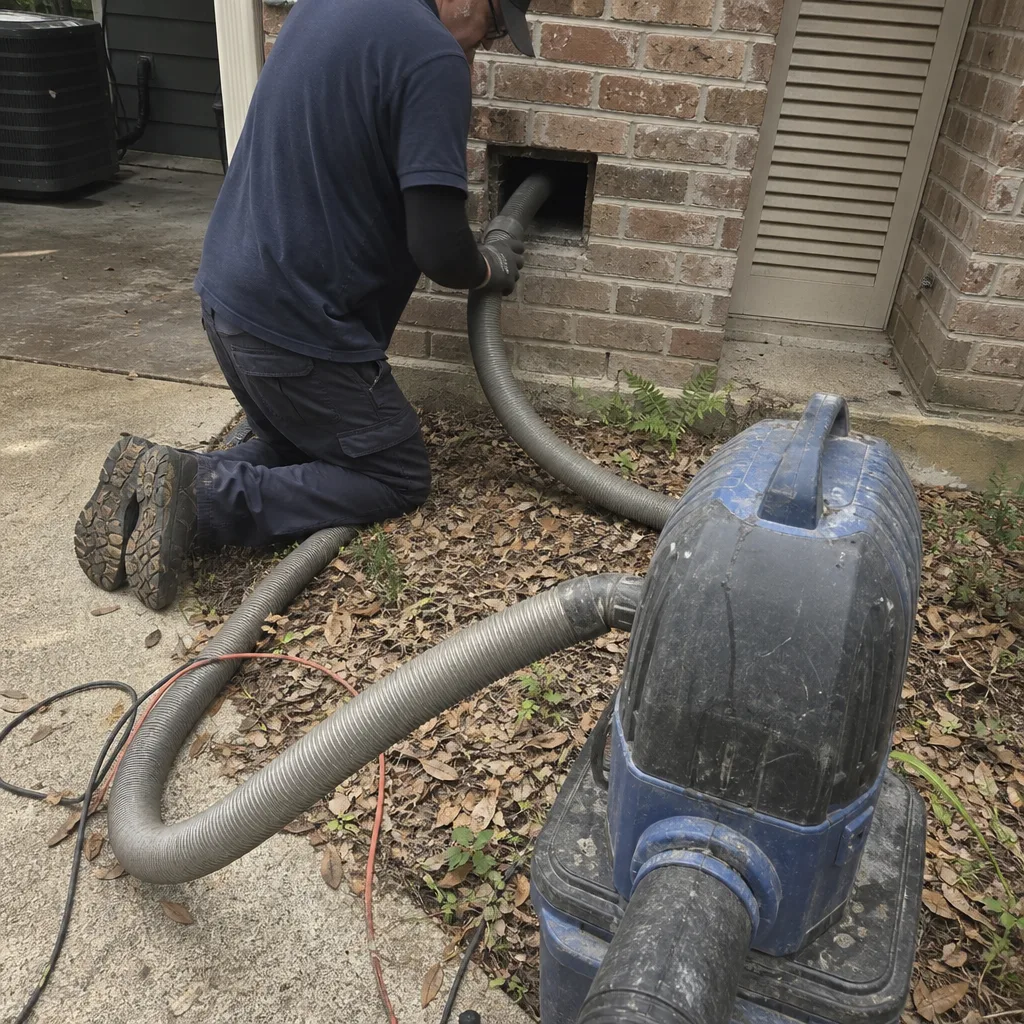 Before
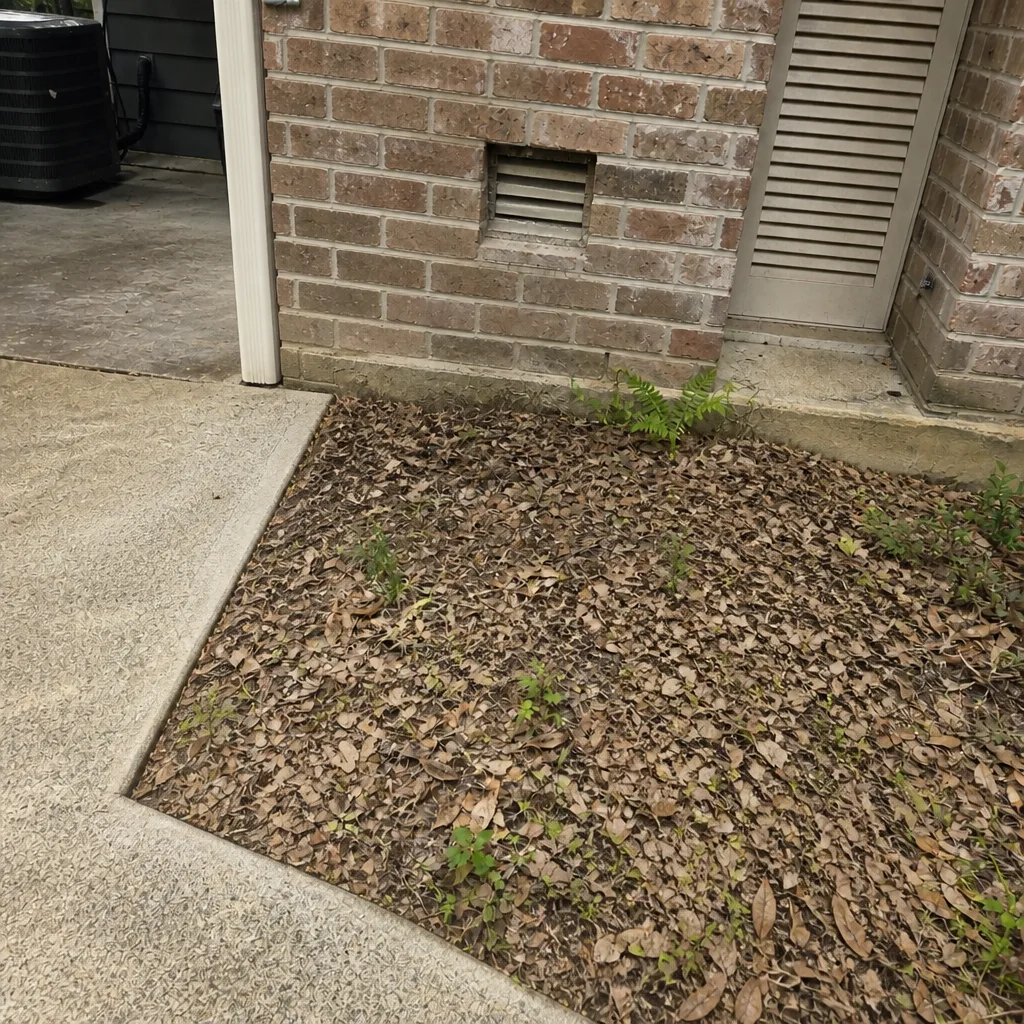 After
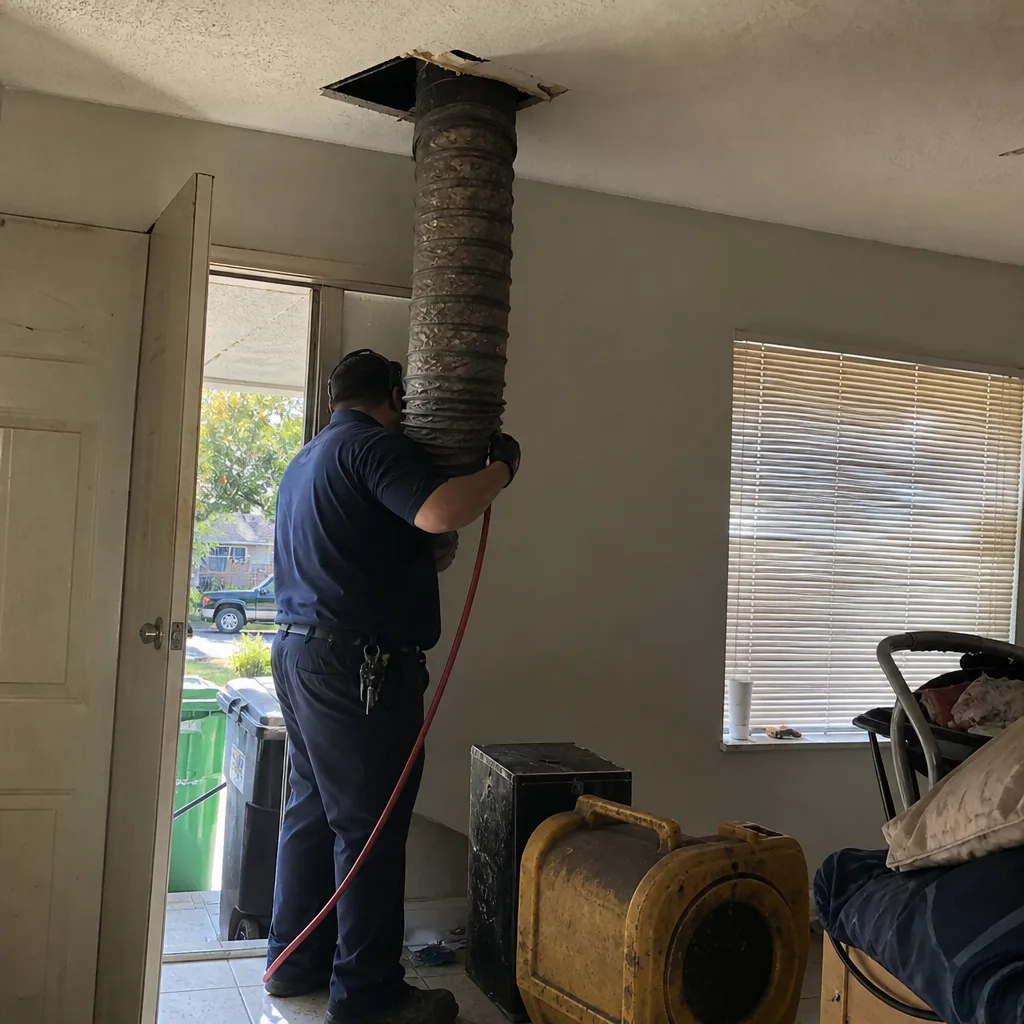 Before
 After
 Before
 After
When to Call a Professional
Call a professional if your ducts show visible mold, moisture, or dark buildup; if your home has recently been through a flood or renovation; if you’ve seen signs of vermin in the system; or if your HVAC isn’t moving air the way it used to. In any of these cases, DIY equipment cannot safely or effectively address the problem. Even in homes without those red flags, a professional cleaning roughly every few years is worth scheduling, with register maintenance in between. Beaumont Duct Cleaning offers free estimates in Beaumont and can inspect your system to give you a straightforward recommendation on what actually needs doing. Call (866) 935-2761 to book a free estimate.
Frequently Asked Questions
Air duct cleaning in Beaumont is priced per system by written estimate, so it depends on the size and layout of your ductwork and the condition it’s in. Beaumont Duct Cleaning gives you a whole-system price in writing before work starts, with no per-vent pricing and no teaser figures. Call (866) 935-2761 for an exact quote. Estimates are free.
Cheap duct cleaning quotes usually reflect cheap equipment. A shop vac and a brush cost far less than a Rotobrush system and a restoration-grade negative air machine, and the service being performed is a different job. A low quote often turns into a larger invoice once the technician is on-site. The way to compare fairly is to ask for a whole-system price in writing and to ask what equipment the crew actually uses. Call (866) 935-2761 for a straightforward quote you can compare against any other.
Ask for before-and-after photos of your own ducts. Any professional cleaner should be able to document what they found and what they cleaned, and you should be able to see the difference in the images. Beaumont Duct Cleaning provides photos as part of the service so you can confirm what was reached and what was removed. Call (866) 935-2761 to learn more about how we document the work.
Most homes in Beaumont benefit from professional cleaning every few years, with register and return-grille cleaning in between. Homes with pets, allergy-sensitive occupants, or recent renovations or flooding may need it sooner. The best indicator is what shows up at your returns; if they get dusty fast, the system is carrying more load than usual. Call (866) 935-2761 and we’ll give you an honest read on your system.
Yes, in specific situations. Disturbing mold or debris without containment can spread particles through the house instead of removing them, and pushing a brush down a wet or contaminated run can make conditions worse, not better. That’s why DIY is safe for surface register maintenance and not safe for anything involving mold, moisture, or vermin. When in doubt, call (866) 935-2761 before you start.
Beaumont Duct Cleaning handles both cleaning and repair, so you don’t need a second contractor if a damaged, disconnected, or leaking duct turns up during the visit. Cleaning, Beaumont dryer vent cleaning, and air duct repair are all part of the same service. Call (866) 935-2761 to book a free estimate. We answer 24/7. Fast dispatch from 7am to 7pm, Sunday through Friday.
The Bottom Line
DIY register cleaning is worth doing. It’s real maintenance, and it can extend the interval between professional cleanings. But it can’t substitute for professional service, because the CFM gap between a shop vac and a restoration-grade machine is a physics constraint, not a matter of effort. If your ducts show mold, moisture, renovation debris, or vermin activity, professional cleaning is the only safe route. For everything else, the right approach is routine DIY maintenance paired with a periodic professional full-system cleaning from a company that runs Rotobrush, uses proper containment, and can repair what it finds. Beaumont Duct Cleaning does all three. Call (866) 935-2761 for a free estimate and a straight answer about what your system actually needs. We answer 24/7. Fast dispatch from 7am to 7pm, Sunday through Friday.
Our technicians have up to 14 years of experience, and every job is priced per system by written estimate so you know exactly what you’re getting before work starts.
Written by the team at Beaumont Duct Cleaning.