
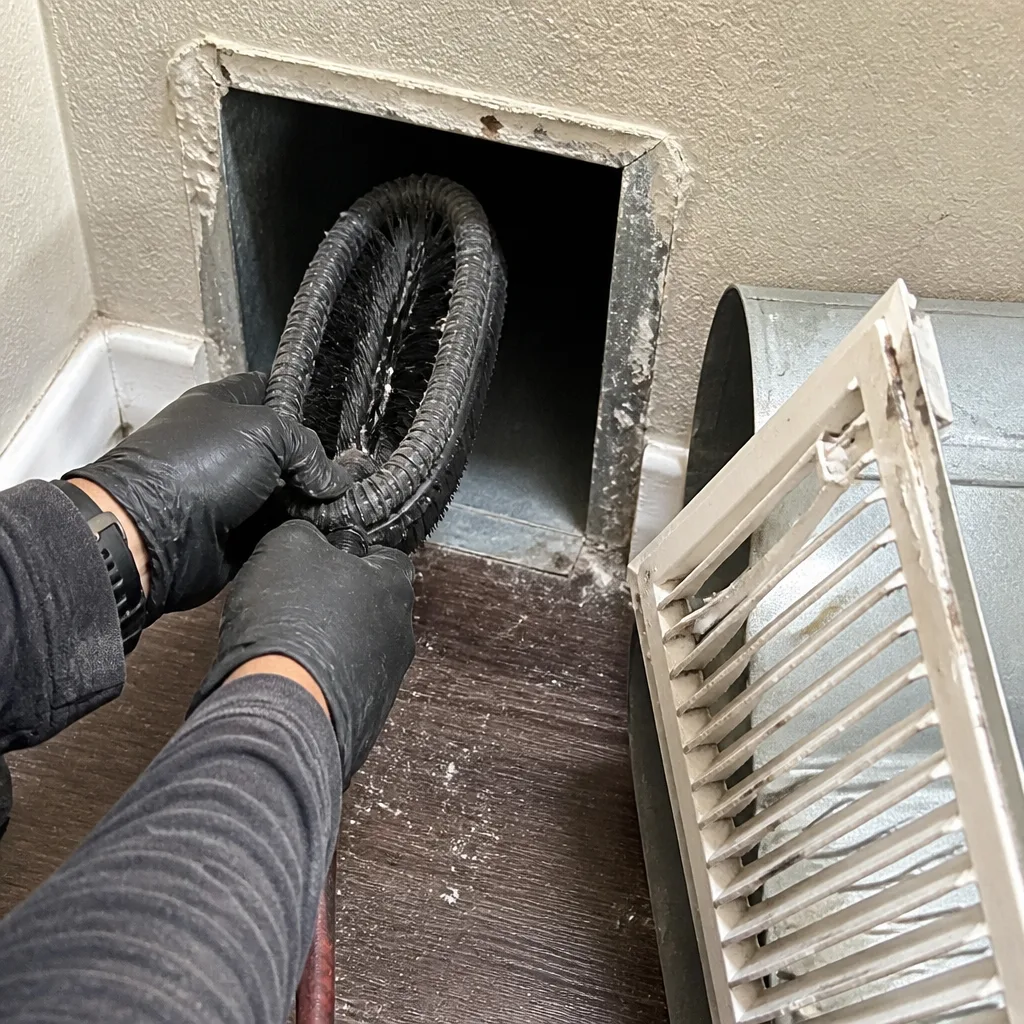
Last updated November 16, 2026
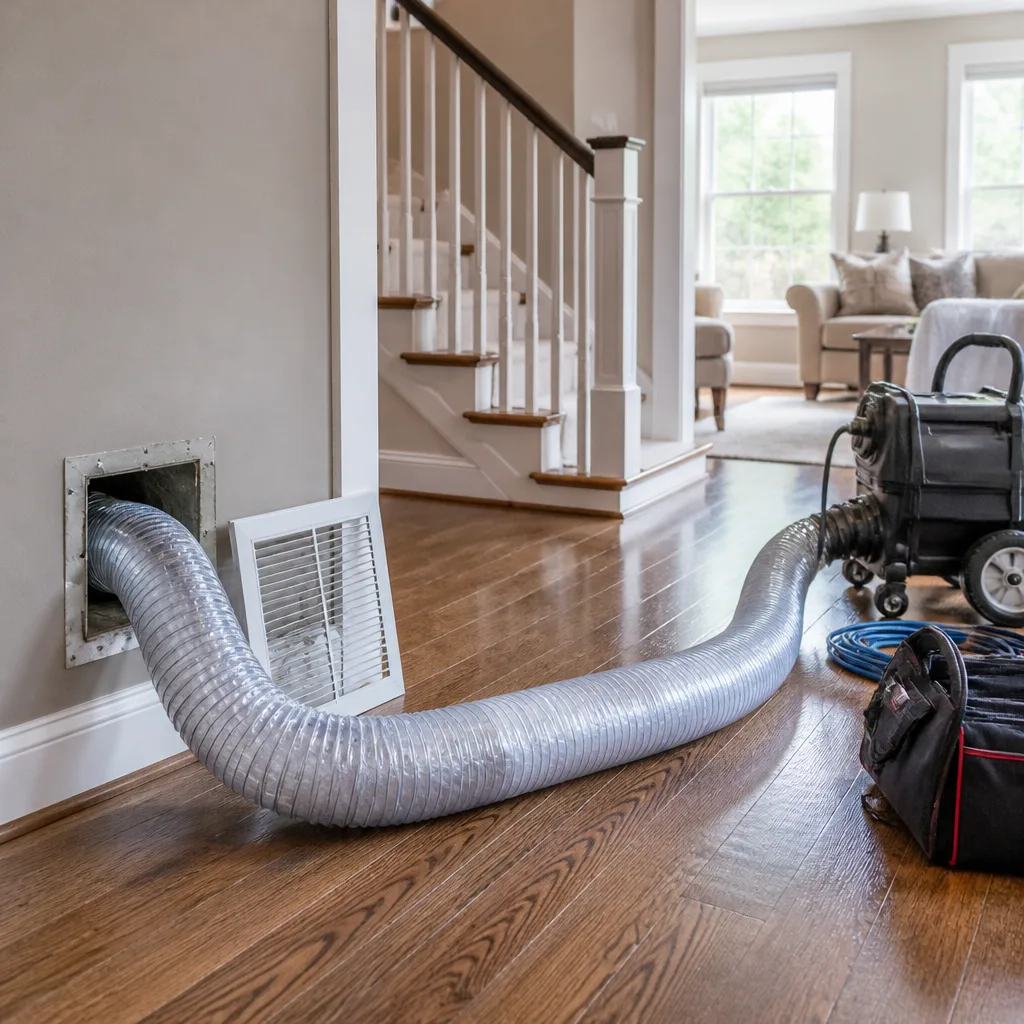 Whole-home duct cleaning
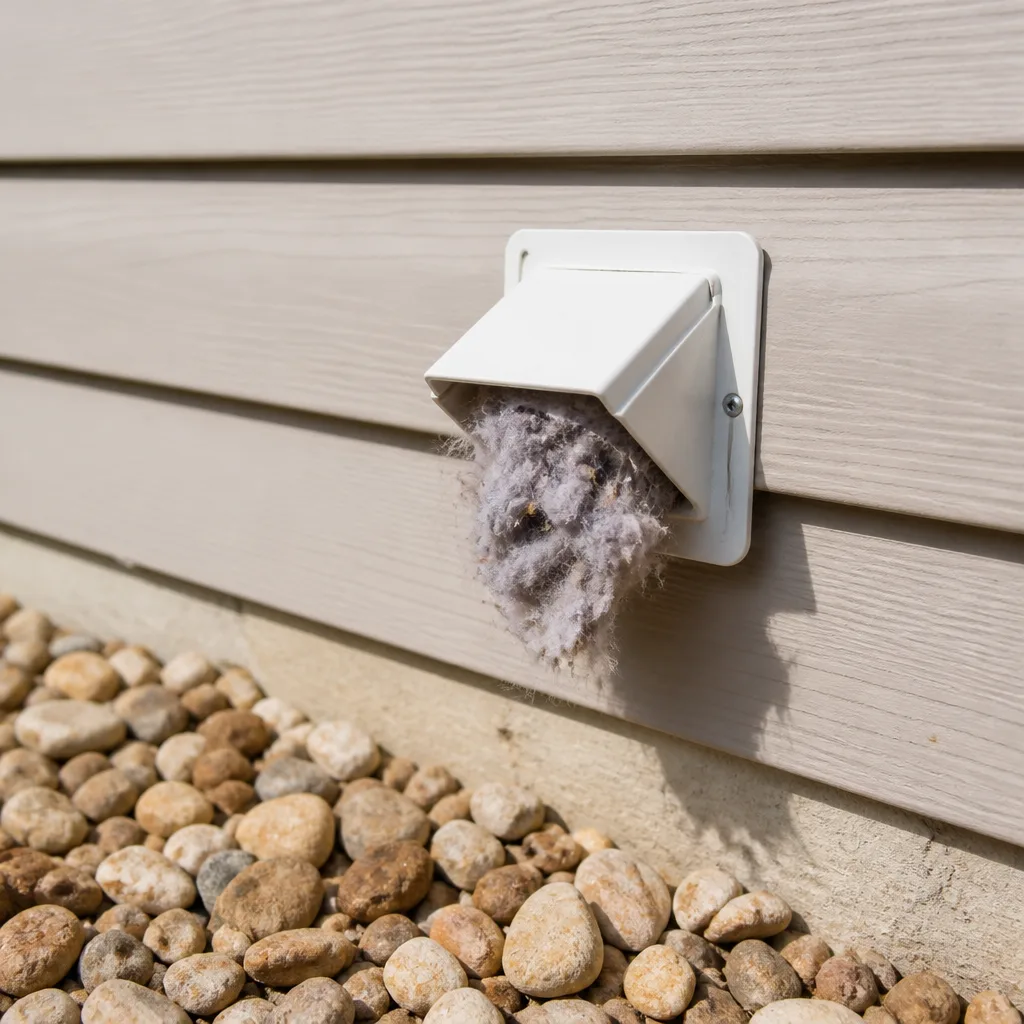 Dryer vent cleaning
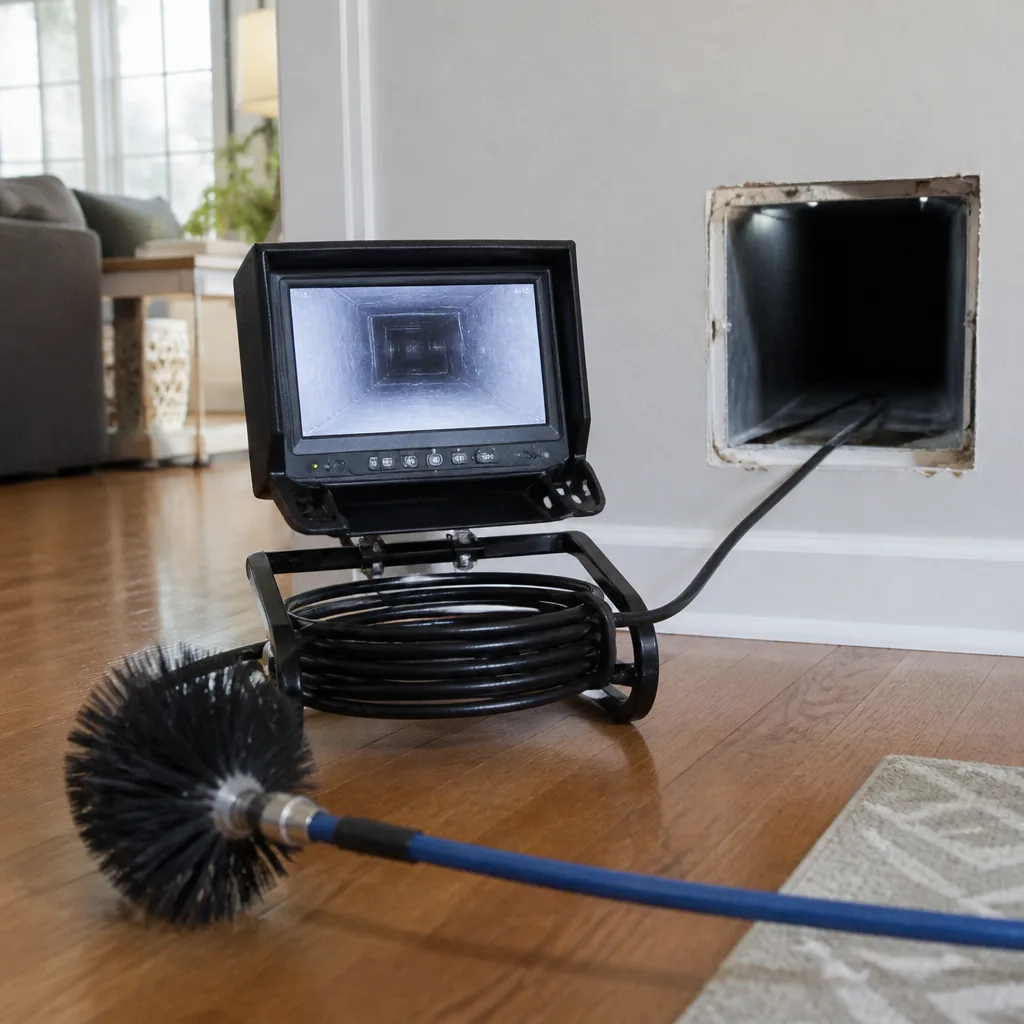 Camera inspection
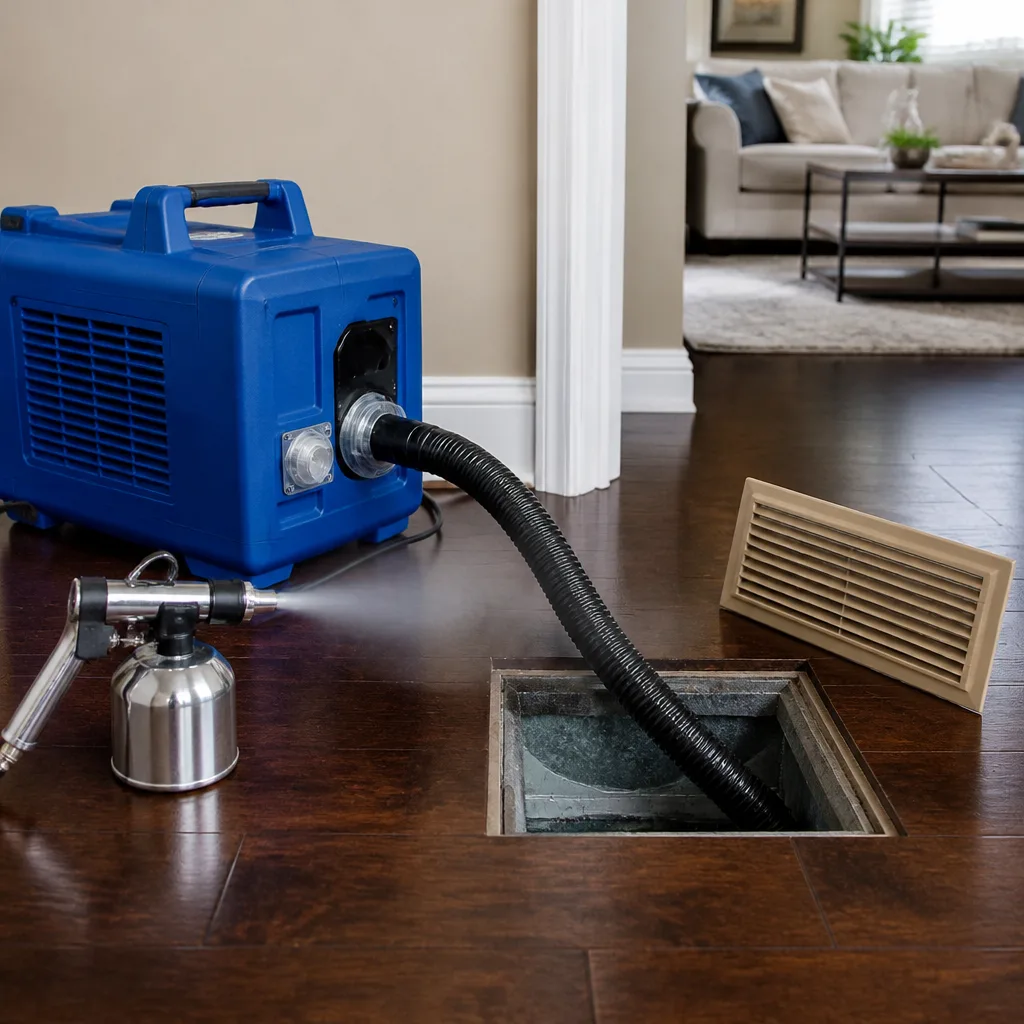 Sanitizing & deodorizing
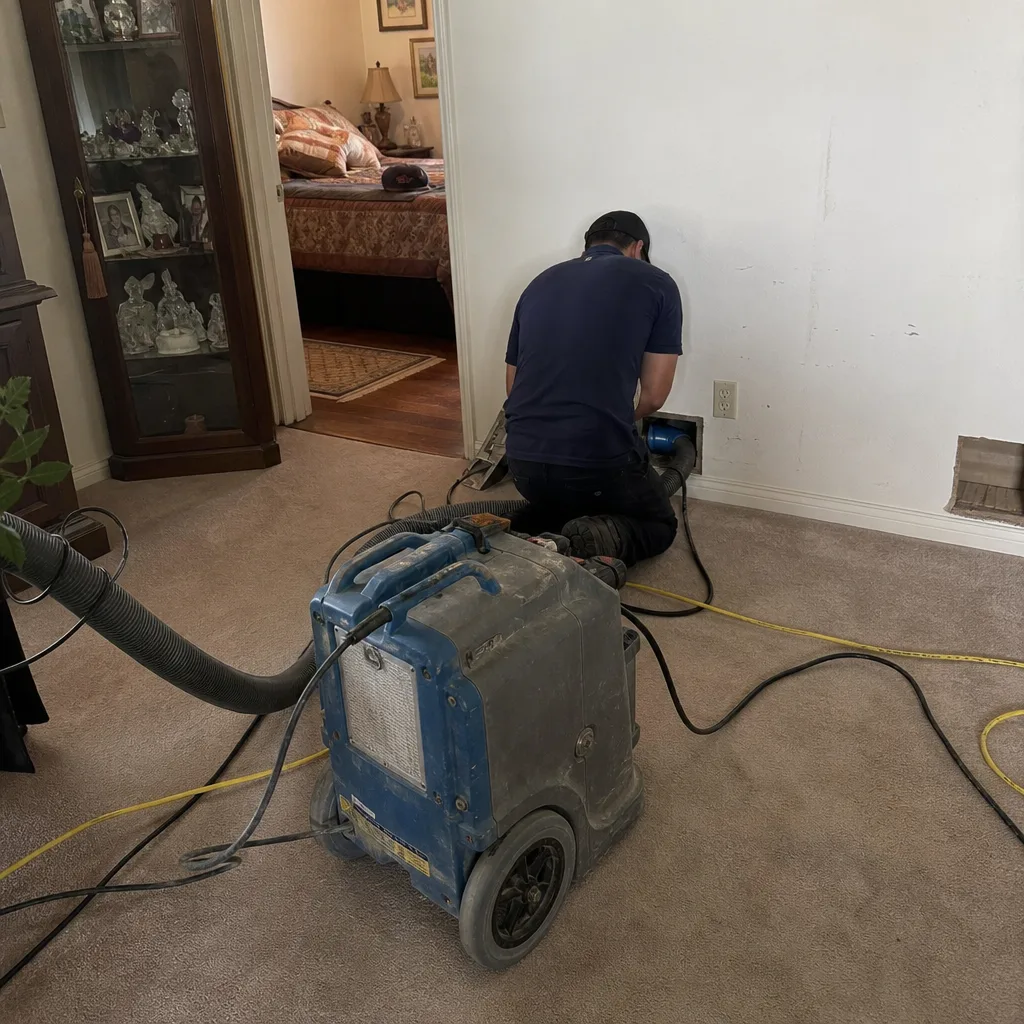
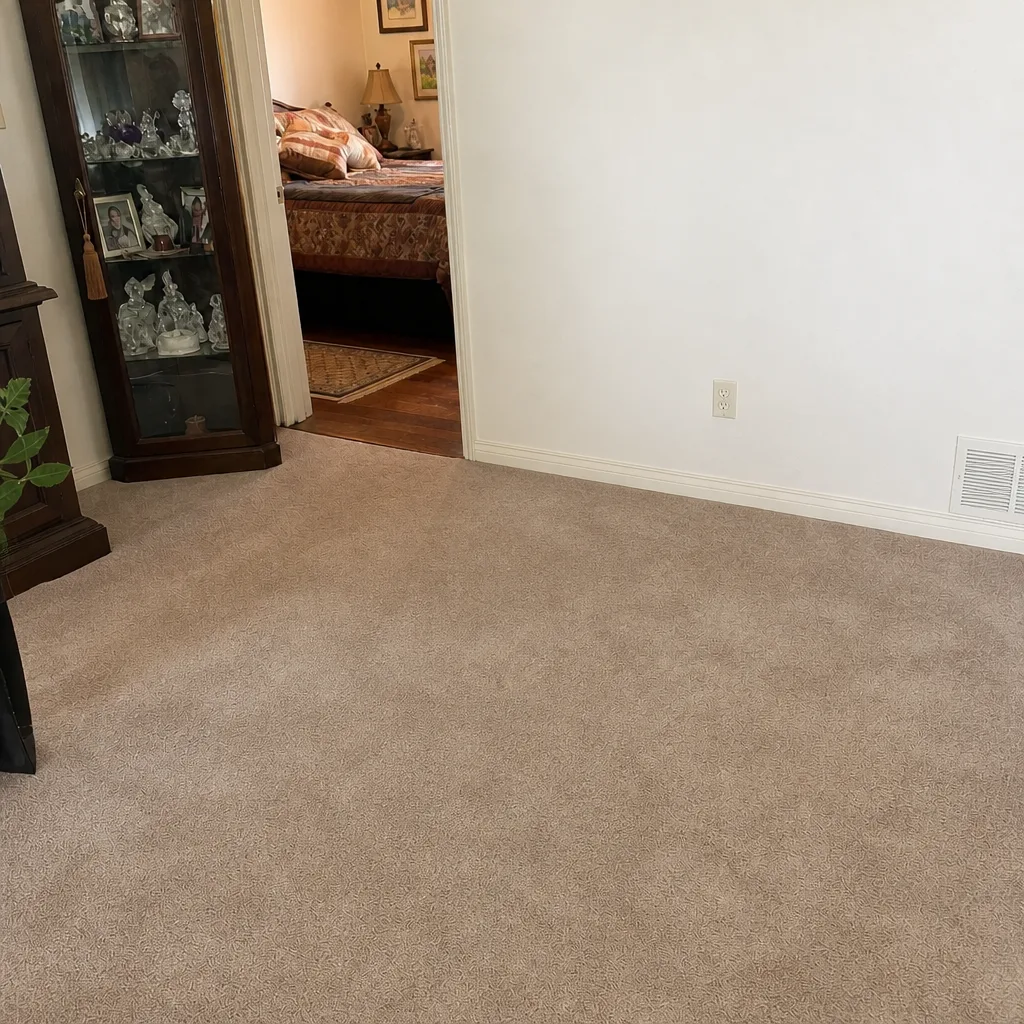
Whole-system duct and dryer vent check with before-and-after photos - you see exactly what came out of your vents
That "$99 whole-house special" is a bait ad - the real number appears once they are in your hallway, or the "clean" is a shop-vac at the register. We photograph the inside of your ducts before and after instead.
How to Hire an Air Duct Cleaning Contractor in Beaumont: A Step-by-Step Guide
Most homeowners hire a duct cleaner the way they hire a plumber: they call the first name that answers and hope for the best. That approach works fine for a leaky faucet. It backfires with duct cleaning, because the gap between a properly equipped contractor and an underequipped one is enormous, and you can’t see the difference after the work is done. The EPA’s own guidance on duct cleaning makes the point plainly: done wrong, the process can dislodge debris and push contaminants further into the system. A bad hire is worse than no cleaning at all. This guide gives Beaumont homeowners the specific questions and equipment benchmarks to filter out the operators who can’t deliver, before they book a single appointment.
Quick Answer
To hire an air duct cleaning contractor in Beaumont, ask three things before booking: what equipment they bring (mechanical brush systems and negative air machines, not just a portable vacuum), whether their technicians can explain the scope in writing, and what they do when they find damaged ducts or mold. A contractor who can answer all three with specifics is usually the one worth hiring. A contractor who deflects, offers a flat teaser price, or can’t name the equipment on their truck is not.
Styles & brands we work with
- Whole-home duct cleaning
- Dryer vent cleaning
- Camera inspection
- Sanitizing & deodorizing
Table of Contents
- Why Hiring the Right Duct Cleaner Matters More Than the Price
- The Equipment Questions to Ask Before You Book
- NADCA Membership and ACR Standards: What They Mean and How to Verify Them
- Red Flags in a Quote
- How a Knowledgeable Contractor Talks About Mold, Damage, and Insulation
- What a Legitimate Job Scope Looks Like in Writing
- A Step-by-Step Verification Checklist
- Common Mistakes to Avoid
- When to Call a Professional
- Frequently Asked Questions
Why Hiring the Right Duct Cleaner Matters More Than the Price
The duct cleaning industry has a wide range of operators, and the gap between them rarely shows up in a quote. On one end, a technician arrives with a shop vac, a length of hose, and no containment. On the other, a crew brings a mechanical brush system, a negative air machine, and HEPA filtration staged to capture debris at the source. Both charge for “duct cleaning.” Only one actually cleans the ducts.
The stakes are real. When ducts aren’t properly contained during cleaning, loosened particles can migrate into living spaces or settle deeper in the system. That’s the EPA’s concern, and it’s why the agency recommends homeowners verify a contractor’s process rather than accept a service name at face value. Poorly executed cleaning can leave a home with more airborne dust than it started with.
Beaumont homes face specific conditions that make proper duct cleaning more than a cosmetic concern. The region’s humidity and long warm season mean HVAC systems run hard for much of the year, pulling air through the same ductwork cycle after cycle. That sustained use means dust, pollen, and debris accumulate in the system faster than in climates where the system rests for months. A Beaumont homeowner who books a cheap, quick cleaning may be paying to stir up what should have been removed.
Price matters, but it’s the wrong first filter. Equipment, method, and scope come first. Once those are verified, the price makes sense. Book a contractor without verifying those and no price is low enough.
The Equipment Questions to Ask Before You Book
The fastest way to separate a professional duct cleaner from an underequipped operator is to ask one question: “What equipment will you bring?” A knowledgeable contractor answers in seconds with specific tools the trades recognize. An unprepared one stumbles or gives a vague answer like “professional equipment.”
Here’s what a properly equipped contractor has on hand, and what to listen for:
- Rotobrush mechanical brush system. This is the industry-recognized rotary brush system used by certified duct cleaning professionals nationwide. The brush physically agitates and removes buildup from duct walls. Air-only methods can loosen debris without removing it; a mechanical brush scrubs it clean. Ask specifically whether the contractor uses a rotary brush or air washing alone.
- Negative air machine with HEPA filtration. Abatement Technologies manufactures remediation-grade negative air equipment used in professional air-quality restoration. In a duct cleaning context, that equipment creates negative pressure inside the duct system so loosened debris is captured at the source rather than blown into living spaces. A contractor who can explain how negative pressure protects the home understands the process.
- Commercial-grade vacuum and containment. Nikro makes professional HVAC and duct cleaning equipment built for sustained commercial work, not consumer use. Operators running consumer vacuums or improvised setups are working outside the envelope these tools are designed for.
- HEPA filtration at the collection point. The final filter matters as much as the vacuum. Ask whether the exhaust air from the cleaning equipment is HEPA filtered before it returns to the room.
None of these are exotic asks. They’re the standard tools of the trade. A contractor who can name them, explain what each does, and describe how the tools work together has the equipment. If the answer is fuzzy, that’s your answer.
NADCA Membership and ACR Standards: What They Mean and How to Verify Them
NADCA is the National Air Duct Cleaners Association. Its ACR standard (Assessment, Cleaning, and Restoration) is the industry’s published baseline for how duct cleaning should be assessed, performed, and documented. It’s worthwhile asking whether a contractor follows ACR standards and whether they hold NADCA membership, because the standard exists precisely to separate methodical work from guesswork.
Verification doesn’t take long. NADCA maintains a public member directory. A quick search confirms membership in under two minutes. You can also ask the contractor directly which standard they follow and whether they can describe the assessment step. The ACR standard begins with assessment: identifying what’s in the system and what needs cleaning before any equipment runs. A contractor who starts that way is working to a standard. One who starts with a hose is not.
In Beaumont, where the climate keeps HVAC systems running through most of the year, an assessment step matters. A contractor who inspects the system first will catch problems a quick vacuum would miss, including disconnected joints, crushed flex duct, and moisture issues that need repair before cleaning. That assessment is where the worthwhile contractors separate themselves.
Membership and standards are a starting filter, not a complete one. A contractor can follow ACR standards and still be the wrong choice if the scope is poorly defined or the pricing is vague. Use standards as the baseline, then apply the rest of this guide.
Red Flags in a Quote
A quote tells you as much about the contractor as the contractor does. What’s included, what’s excluded, and how the price is structured all signal how the work will actually run.
- Unusually low flat-rate pricing. A suspiciously low flat fee is often a volume-based pricing model: the contractor wants to move quickly through many homes, not clean any single one thoroughly. If the quote doesn’t break down line items, or the price seems disconnected from the scope, ask why.
- No written scope before work begins. A professional contractor documents what’s being cleaned before they start. If there’s nothing in writing, the “cleaning” is defined by whatever happens on the day.
- Pricing that changes after inspection. Inspection findings can legitimately change scope, and a written estimate should reflect that. What you’re watching for is a low teaser price that balloons once the technician is inside. Ask upfront which areas are included and which would be quoted separately.
- No ability to answer equipment questions. See the section above. If the contractor can’t describe their equipment by name, the equipment is probably not worth describing.
- Price that doesn’t include the full system. Duct cleaning that covers only supply vents and skips the return plenums and air handler isn’t a complete job. Ask explicitly which parts of the system are included.
- Pressure to commit immediately. A contractor confident in their work doesn’t need you to sign today. Take the quote and compare it against this checklist.
If a quote hits more than one of these, walk away. A more detailed quote that requires 24 hours to process is a better sign than one that arrives in five minutes with a number that seems too good.
How a Knowledgeable Contractor Talks About Mold, Damage, and Insulation
One of the clearest tests of a contractor’s knowledge is how they respond when you ask about mold, damaged ductwork, or insulation. A contractor who does cleaning only will change the subject, refer you elsewhere, or offer to clean anyway and hope the problem clears. A contractor who understands the full system will explain what they found and what needs to happen.
Here’s how a knowledgeable contractor responds to each:
- Mold. Mold inside a duct system isn’t a cleaning problem. It’s a moisture problem, and it requires assessment before anything else. A contractor who recognizes this will tell you the moisture source needs addressing and may recommend a specialist. A contractor who offers to “clean it out” without addressing the cause is missing the point.
- Damaged or disconnected ducts. Crushed flex duct, separated joints, and leaking seams are common in older systems. They cost efficiency and reduce cleaning effectiveness. A contractor who can repair the ductwork, not just clean it, is a more complete resource than one who only cleans. Ask whether repair is part of their services or a separate call.
- Insulation concerns. Damaged duct insulation or insulation that’s been disturbed during work is a repair item. A contractor who plans for it in the scope is thinking about the whole system, not just the cleaning pass.
When a contractor’s response to these questions is specific and honest, including an honest “that’s outside my scope and here’s who to call,” they’re worth trusting. When the conversation is steered away from the topic entirely, that’s a signal.
What a Legitimate Job Scope Looks Like in Writing
The written scope is the contract. Before any equipment goes out, a contractor should provide a scope of work that names which parts of the system are being cleaned. A legitimate scope covers the following:
- Supply registers. All supply vents, with the count identified in the scope.
- Return plenums. Return ducts and the return plenum itself. This is frequently skipped by cheaper operators.
- Air handler. The interior of the air handler and the area around the blower and coil, which collects significant debris.
- Main trunk lines. Whether the trunk is cleaned along its run, and how.
- Equipment and process. A brief description of the equipment being used and the process being followed.
- What’s excluded. Any part of the system not being cleaned should be listed explicitly.
- Post-work documentation. Before-and-after photos of the system, not a generic marketing shot. Ask for photos of the ducts being worked on.
Documentation is the difference between a service you can verify and one you have to take on faith. Photos of the interior of the ducts before cleaning and after are the only real evidence the work happened. Any contractor who offers that will stand behind the work.
A Step-by-Step Verification Checklist
Here’s the process for evaluating a duct cleaning contractor, in the order that saves you the most time.
- Check NADCA membership. Use the public directory. Under two minutes.
- Ask the equipment question. “What equipment do you bring, and can you describe the process?” Listen for mechanical brush systems, negative air, and HEPA filtration.
- Ask about scope. Which parts of the system are cleaned? Insist on returns, the air handler, and the trunk in the answer.
- Ask about repair. What happens if the ducts are damaged or disconnected? A contractor who can repair, not just clean, reduces the number of calls you need to make.
- Ask about documentation. Will you get before-and-after photos of your own ducts? If not, what’s the proof?
- Request a written scope and estimate. Review it against the checklist above before booking.
For a deeper look at what a professional air duct cleaning visit actually involves in Beaumont, our service page walks through the process. The same checklist applies to dryer vent work, which carries a fire-safety dimension of its own; our dryer vent cleaning page covers what a proper job looks like there too.
Common Mistakes to Avoid
- Hiring on price alone. The lowest quote in Beaumont often reflects the smallest equipment and the least thorough scope. Price first means equipment last.
- Accepting a verbal scope. If it isn’t in writing, it isn’t in the job. The contractor at the door may have a different idea of “full cleaning” than you do.
- Skipping the equipment question. A shop vac and a handshake can pass for duct cleaning in a conversation. It can’t pass the equipment question.
- Not asking about repair capability. If your ducts are damaged or disconnected, a cleaning-only contractor will either clean anyway or refer you out. A contractor who can repair handles both in one visit.
- Ignoring the mold conversation. A contractor who proposes cleaning mold without addressing moisture is treating a symptom. Ask what’s causing the moisture before scheduling.
- Not checking NADCA membership. It’s a two-minute check that eliminates a percentage of underqualified contractors immediately.
- Booking without asking for documentation. Before-and-after photos of the interior of your ducts are the standard evidence of a job done.
When to Call a Professional
Duct cleaning isn’t an annual ritual so much as a response to specific conditions. Call a professional when you notice visible dust release from supply vents after the system runs, when the HVAC system has become noticeably less efficient without another explanation, when a home inspection flags the ducts, or when allergies and respiratory symptoms worsen in the house and the ductwork hasn’t been assessed. If you’re moving into a home with an unknown service history, an assessment is worthwhile before you settle in. If the ducts are damaged, disconnected, or leaking, that’s a repair question, not a cleaning one. Beaumont Duct Cleaning offers free estimates in Beaumont: call (866) 935-2761. We answer 24/7. Fast dispatch from 7am to 7pm, Sunday through Friday.
Frequently Asked Questions
The price depends on the size and condition of your duct system, and it should be set per job by a written estimate rather than per vent. Whole-system cleaning covering supply registers, return plenums, the air handler, and trunk lines is priced higher than a supply-only pass, and a quote that breaks those apart accordingly is easier to compare. Call (866) 935-2761 for a free estimate; the written estimate sets the final price.
Ask three questions: what equipment they bring, what’s in the written scope, and whether they can name their standards (NADCA membership and the ACR standard are the accepted baseline). A qualified contractor answers all three with specifics. If you want to go further, verify NADCA membership in the public directory before booking. Call (866) 935-2761 for a straight answer to any of these questions.
At minimum: a mechanical rotary brush system (Rotobrush is the industry-recognized standard), a negative air machine with HEPA filtration to capture debris at the source, and commercial-grade HVAC cleaning equipment (Nikro is one brand used by professional operations). Operators running consumer vacuums or air-only washing are not equipped for a full cleaning. Call (866) 935-2761 to ask us directly about our equipment.
Low quotes usually reflect low scope: fewer parts of the system cleaned, less equipment, less time. A flat teaser price that covers only supply vents and skips returns and the air handler looks cheap because it is a smaller job than it sounds. An estimate that breaks out what’s covered is the fairer comparison. Call (866) 935-2761 for a free, itemized estimate.
Some can. A contractor who offers duct repair alongside cleaning can handle disconnected joints, crushed flex duct, and leaking seams in the same visit, which saves you from coordination and a second assessment. Ask upfront whether repair is part of their scope; many cleaning-only operations will refer you out. Beaumont Duct Cleaning offers duct repair as part of our service: call (866) 935-2761.
There’s no fixed interval that applies to every home. What matters more is condition: visible dust release, reduced HVAC efficiency, symptoms that track with the ducts, or a home inspection finding. Beaumont’s long cooling season keeps systems running much of the year, which accumulates debris faster than in milder climates, so an assessment every few years is a reasonable habit. Call (866) 935-2761 to schedule a free estimate and get a straight answer on your system.
The Bottom Line
Hiring a duct cleaning contractor in Beaumont comes down to filtering on equipment and process, not on price. Verify that the contractor uses mechanical brush cleaning and negative air with HEPA filtration, not a shop vac. Confirm whether they follow the ACR standard and hold NADCA membership. Get a written scope that names the supply registers, return plenums, air handler, and trunk lines, and ask for before-and-after photos. If the contractor can repair damaged ducts as well as clean them, you’re working with a complete resource rather than a one-task vendor. The right hire isn’t the cheapest; it’s the one you can verify.
Our approach at Beaumont Duct Cleaning is built around the tools that make the work verifiable: restoration-grade equipment like Rotobrush, Nikro, and Abatement Technologies, plus the ability to repair the system once we’ve cleaned it. We work with leading whole-home air quality systems such as Honeywell and Aprilaire, and we handle air duct cleaning, dryer vent cleaning, and duct repair as three connected services. Our technicians have up to experience. The Beaumont guide page has more on our service area and approach.
Call (866) 935-2761 for a free estimate. We answer 24/7. Fast dispatch from 7am to 7pm, Sunday through Friday.
Written by the team at Beaumont Duct Cleaning.
See the difference
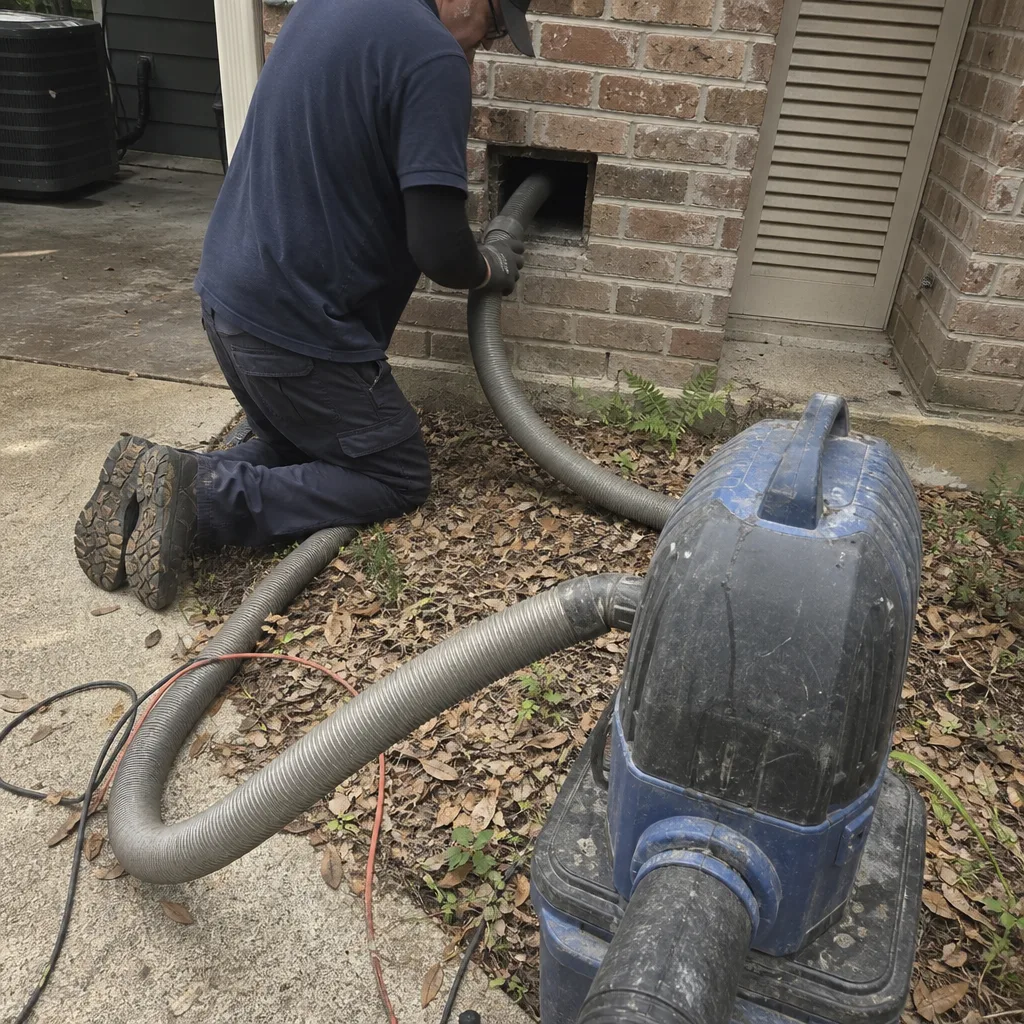 Before
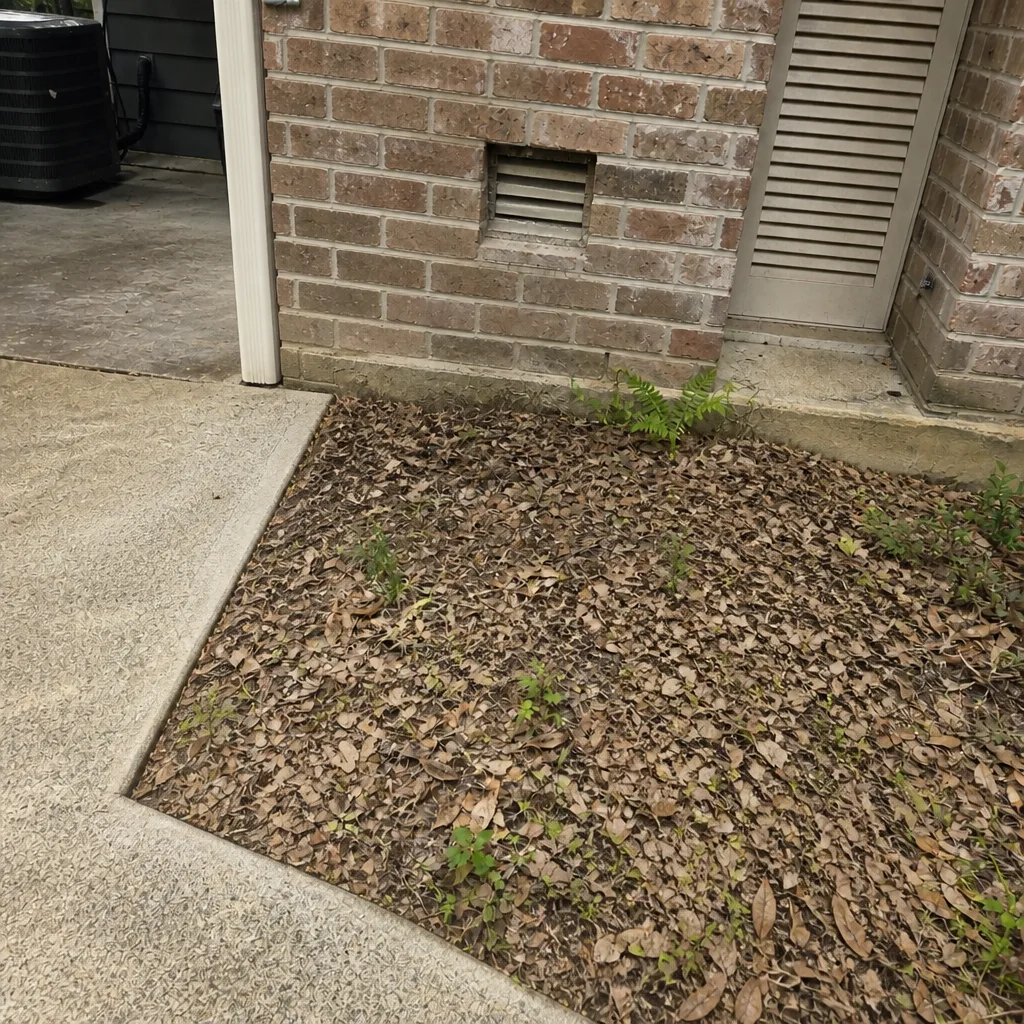 After
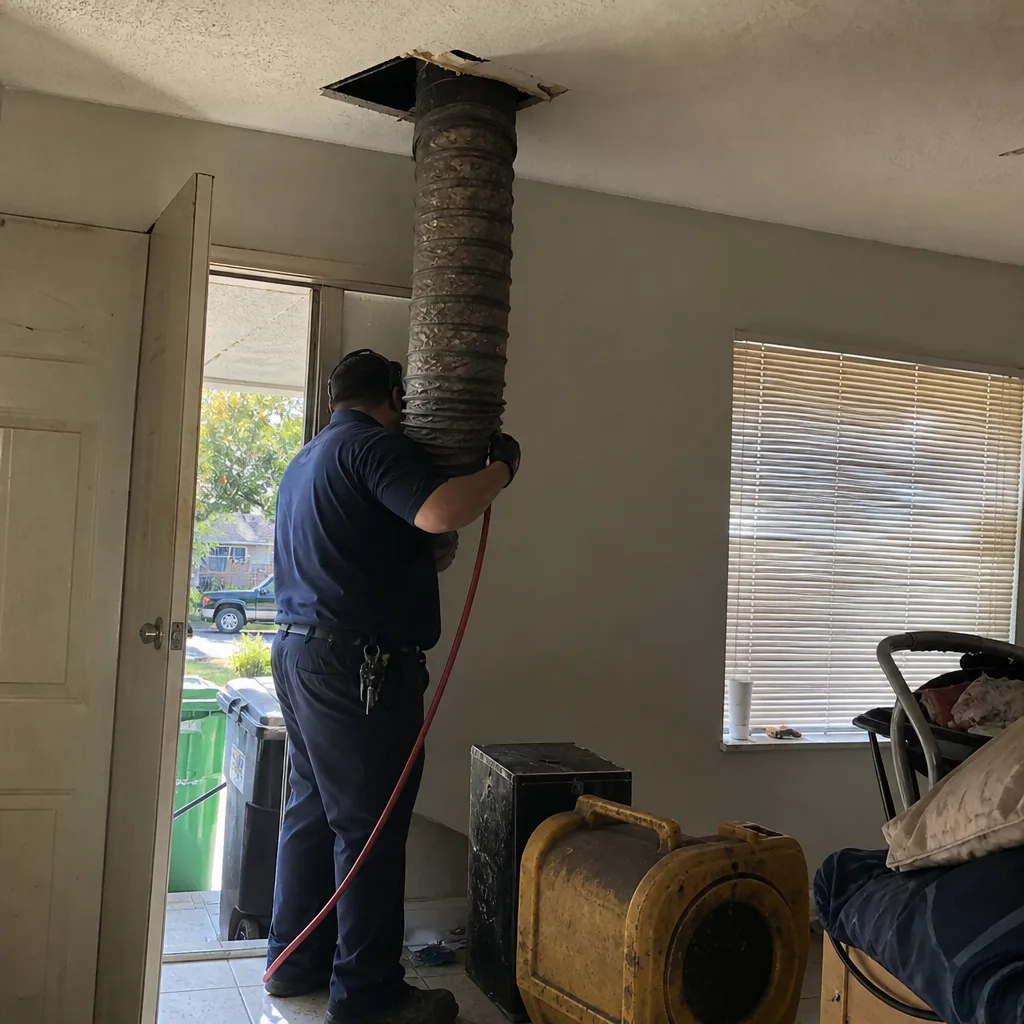 Before
 After
 Before
 After