
Last updated November 16, 2026
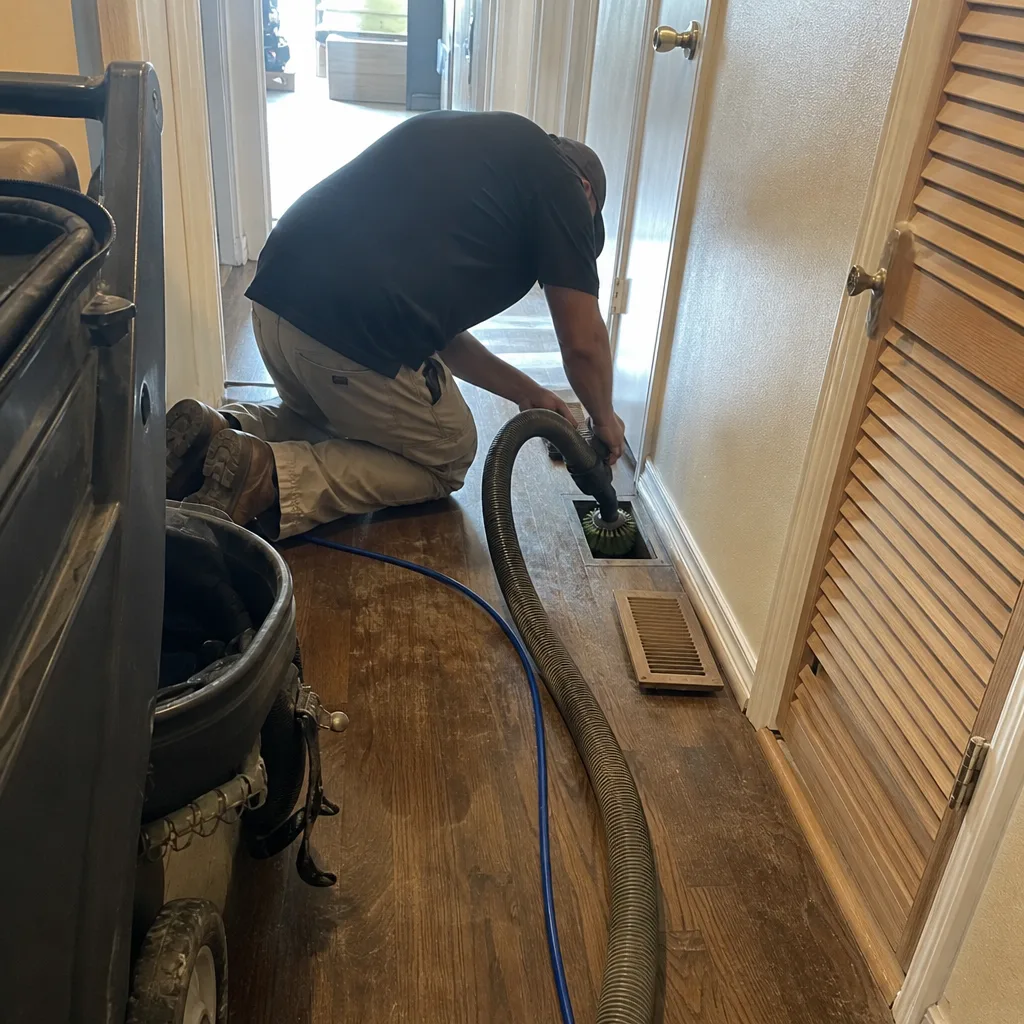
 Whole-home duct cleaning
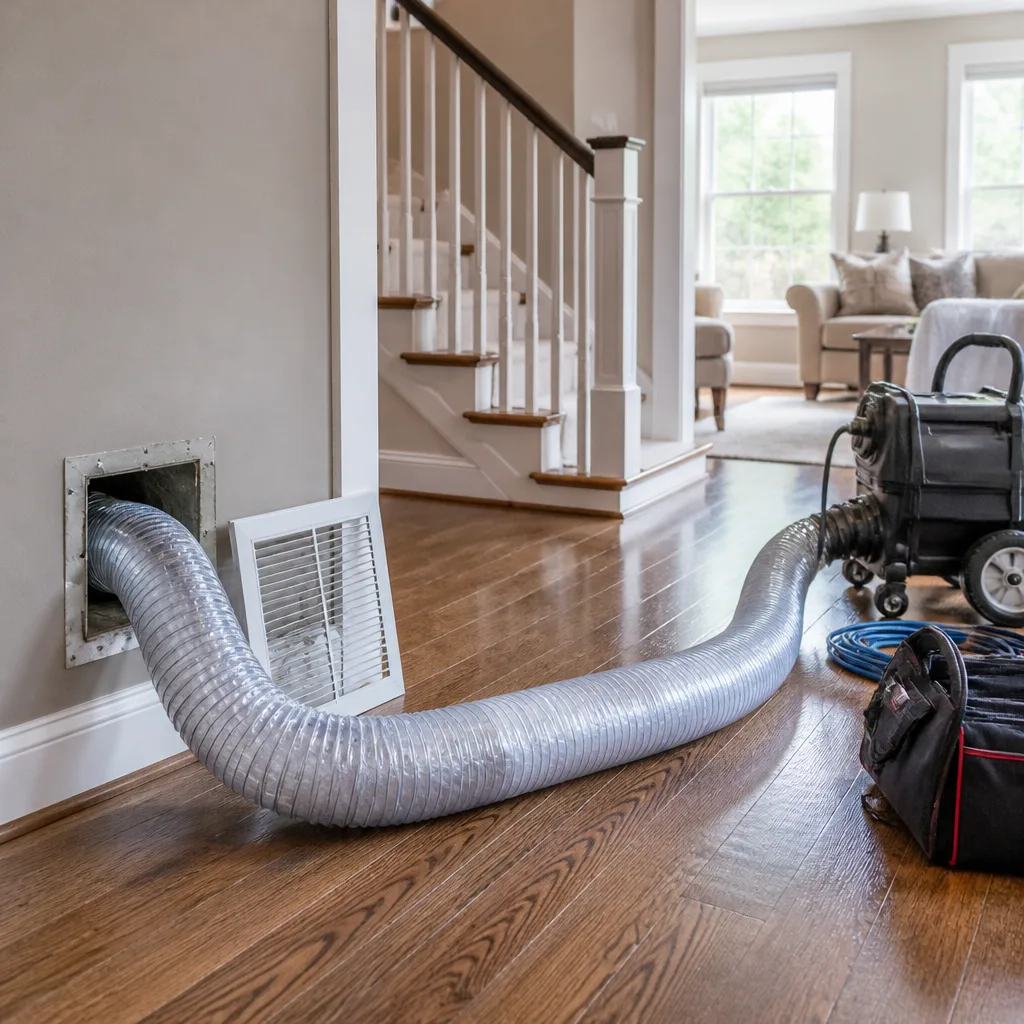
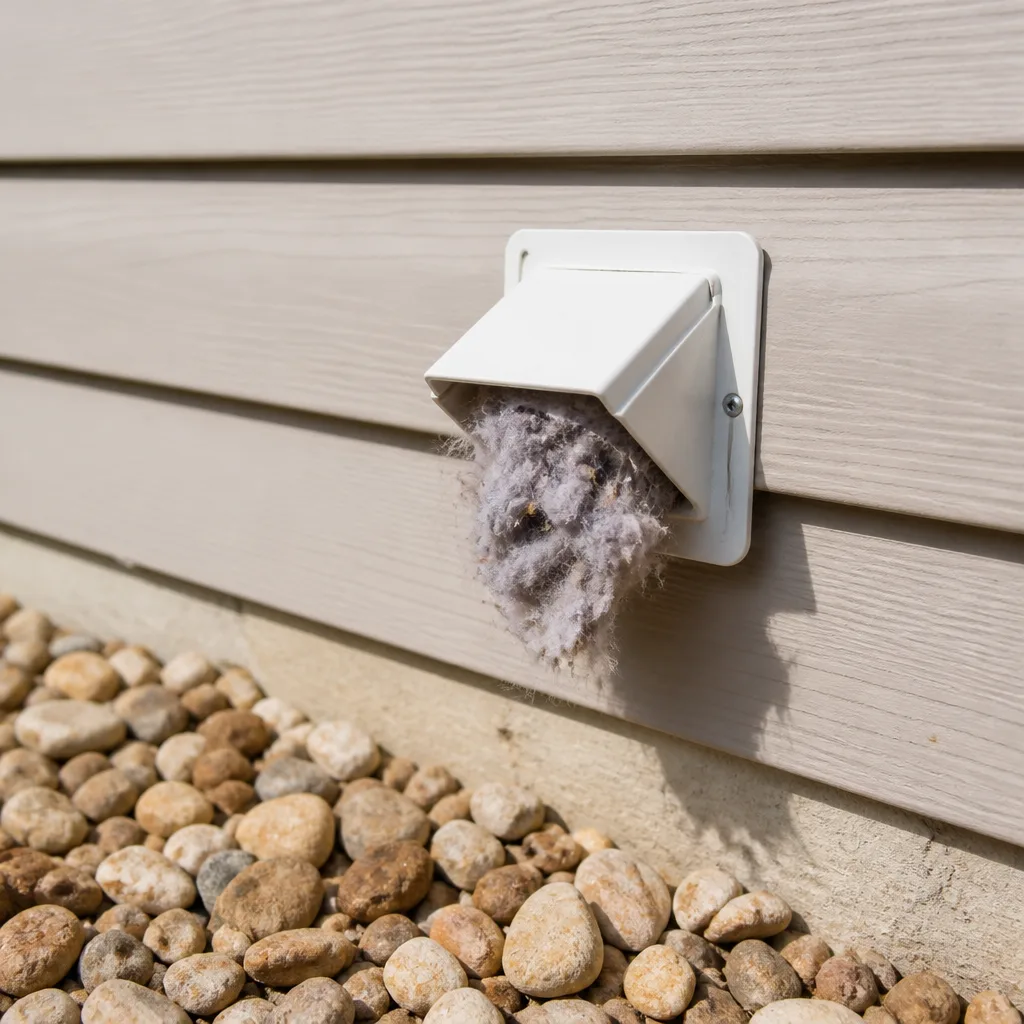 Dryer vent cleaning
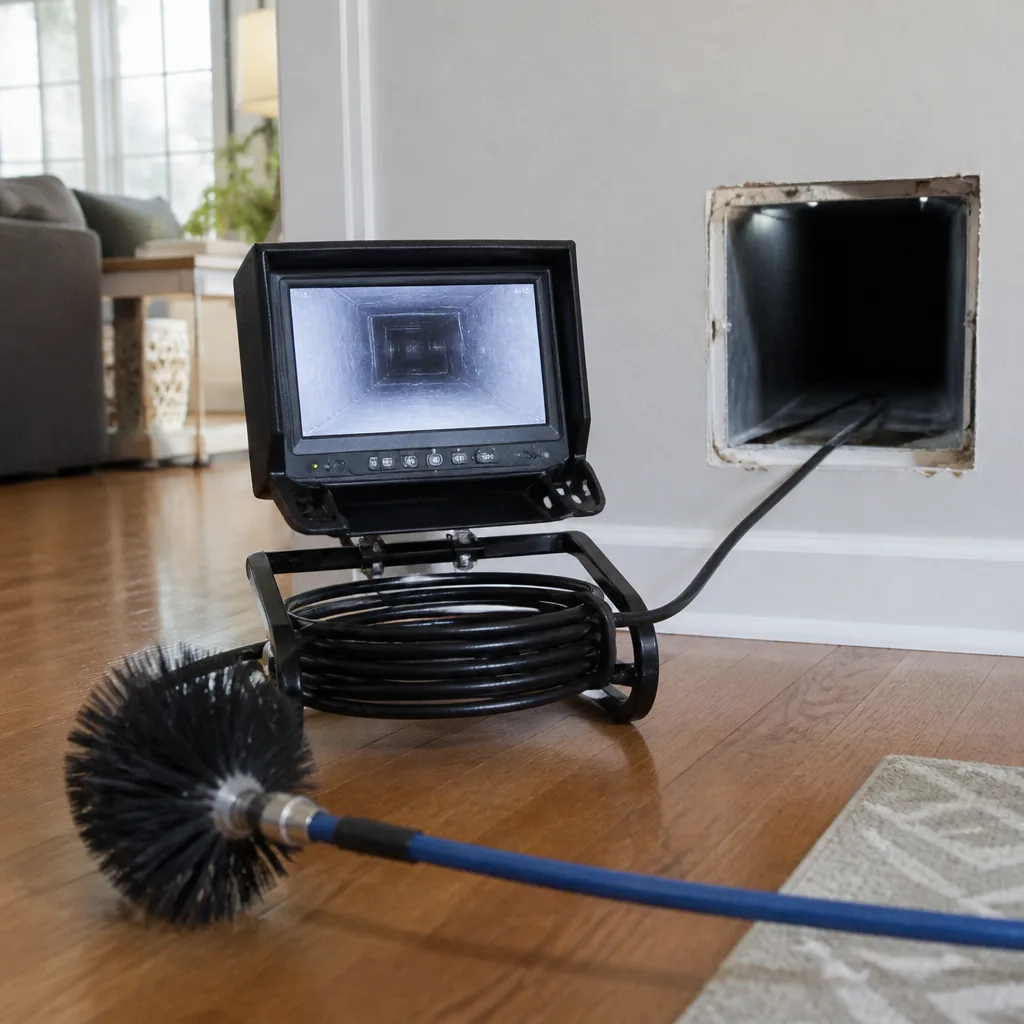 Camera inspection
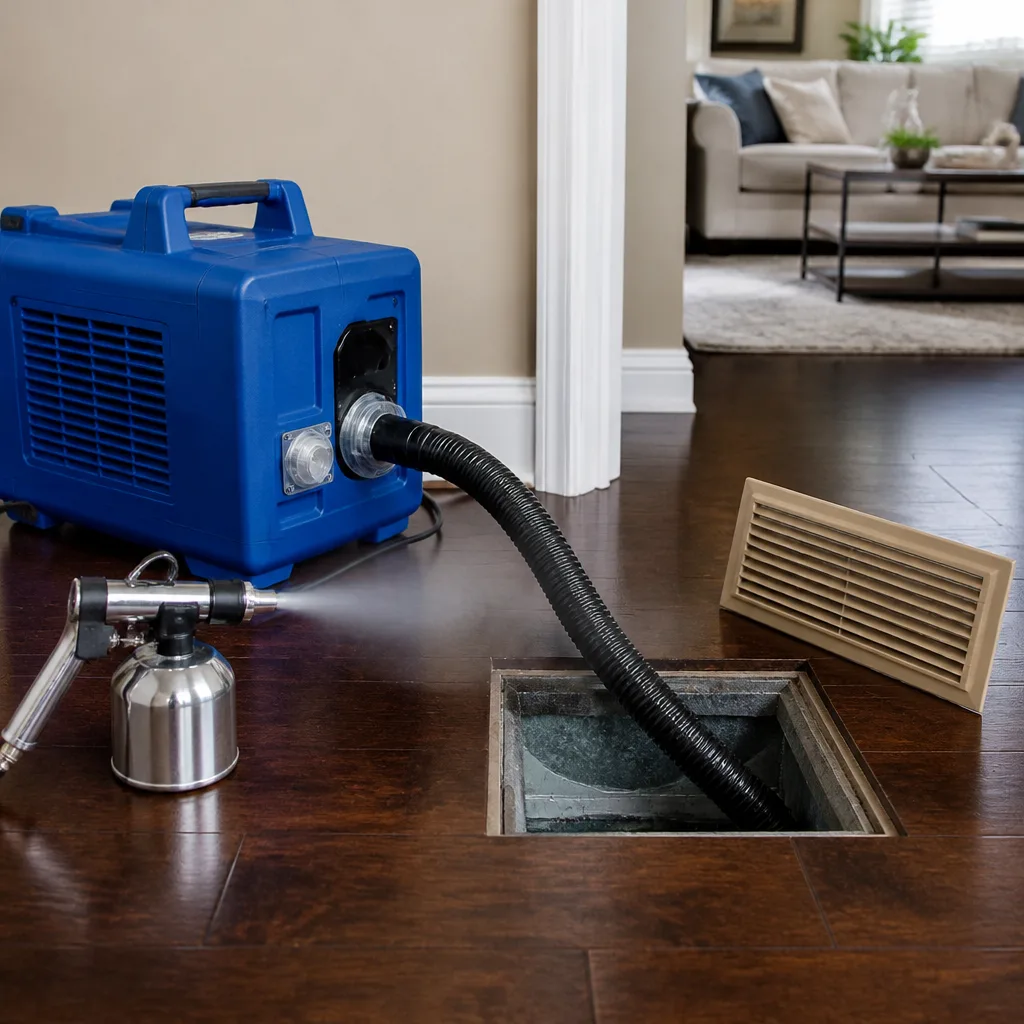 Sanitizing & deodorizing
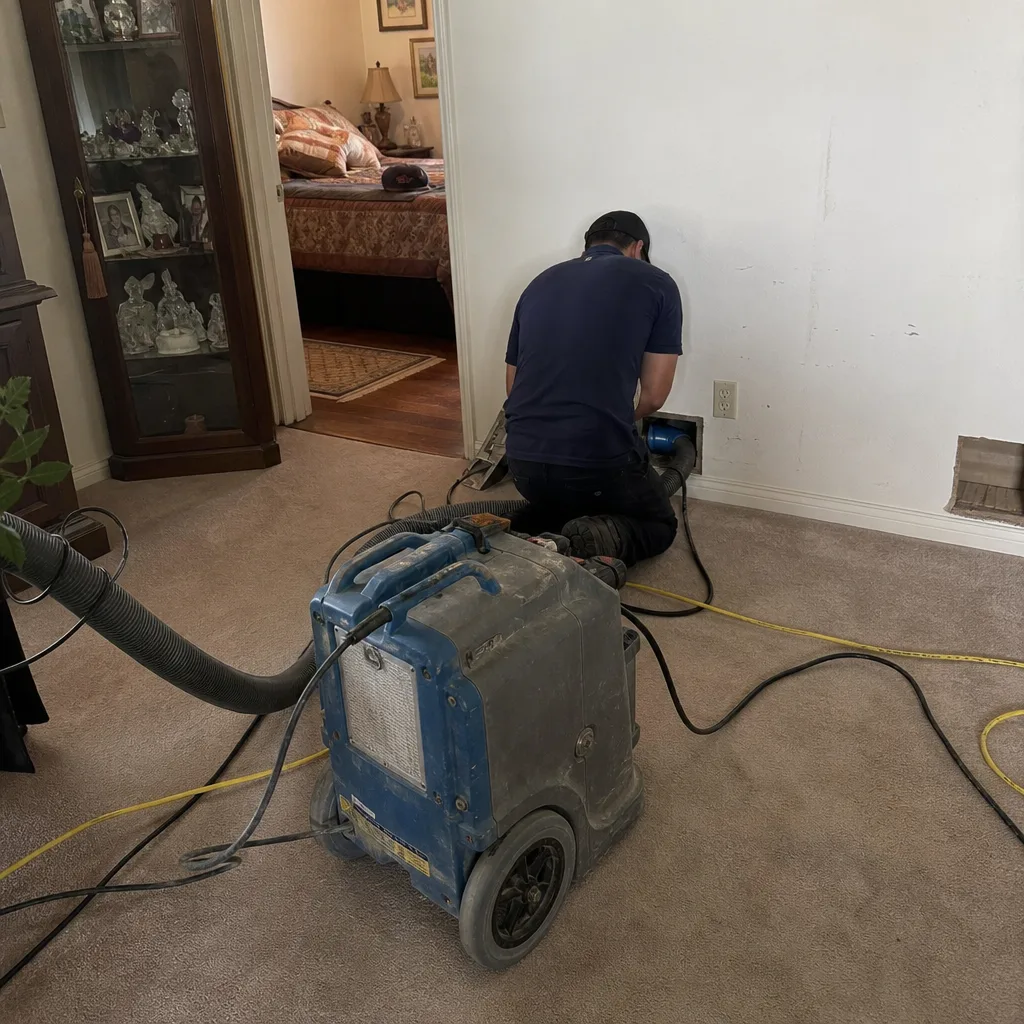
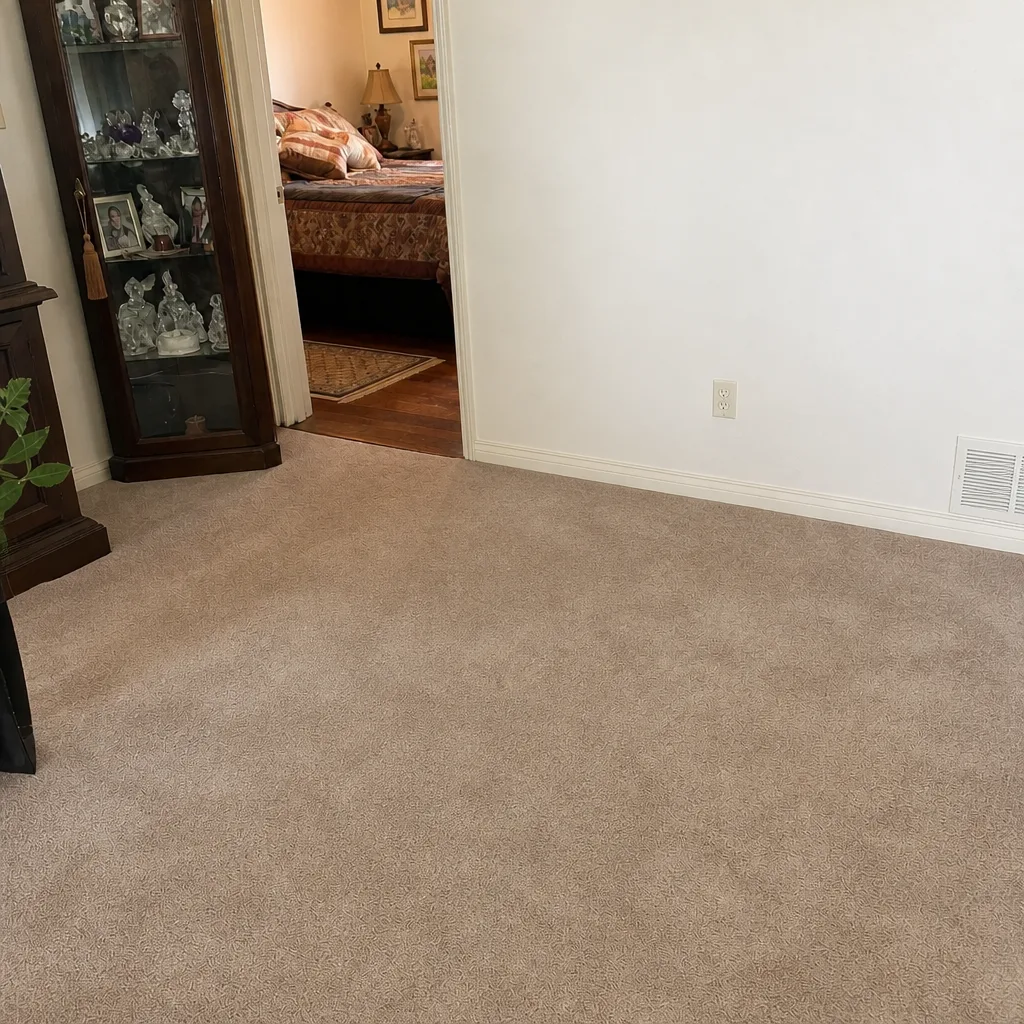
Whole-system duct and dryer vent check with before-and-after photos - you see exactly what came out of your vents
That "$99 whole-house special" is a bait ad - the real number appears once they are in your hallway, or the "clean" is a shop-vac at the register. We photograph the inside of your ducts before and after instead.
Air Duct Cleaning Permits, Codes & Inspections in Beaumont, TX: What You Need to Know
Here’s the part most duct cleaning companies leave out of the conversation. The cleaning itself almost never requires a permit. The repair work that a good inspection often uncovers does. In Beaumont, that difference matters more than most homeowners realize, because unpermitted duct repairs can surface during a home sale inspection or complicate a home warranty claim years after the work was finished. This guide walks through the legal landscape in plain terms: what Texas actually requires, where the International Residential Code fits in, how the licensing rules work for HVAC contractors versus duct-only specialists, and how to document repair work so it protects you when you sell or file a claim. We’ll also give you the questions to ask before you hire anyone who touches both cleaning and repair.
Quick Answer
Air duct cleaning in Beaumont, TX generally does not require a permit because it’s a maintenance service, not a construction activity. Duct repair, duct replacement, or any modification that changes the duct system’s configuration can trigger a mechanical permit under the International Residential Code as adopted by Texas and enforced by the City of Beaumont. Document all repair work with before-and-after photos and invoices, even when no permit is required, so you have a record for insurance and resale.
Styles & brands we work with
- Whole-home duct cleaning
- Dryer vent cleaning
- Camera inspection
- Sanitizing & deodorizing
Table of Contents
- Cleaning vs. Repair: Where the Permit Line Actually Falls
- How the IRC and Section M Apply to Duct Work in Beaumont
- Licensing in Texas: HVAC Contractors vs. Duct-Only Specialists
- Documenting Duct Repairs for Insurance and Resale
- What a Duct System Inspection Should Actually Cover
- Questions to Ask a Contractor Who Cleans and Repairs
- The Beaumont Permit Process, Step by Step
- Common Mistakes to Avoid
- When to Call a Professional
- Frequently Asked Questions
Cleaning vs. Repair: Where the Permit Line Actually Falls
The permit question comes down to one distinction: are you removing dirt, or are you changing the system? Cleaning removes accumulated debris from the interior surfaces of ducts that are already in place and functioning. Repair alters, replaces, or reconnects components. Texas building departments treat those two activities very differently.
Here’s how the split usually works in practice:
- Standard air duct cleaning – no permit. You’re maintaining an existing system, not modifying it. This is the same category as changing a filter or having your coils cleaned.
- Sealing leaks with mastic or approved tape – usually no permit when it’s a like-for-like repair on accessible joints. Some jurisdictions may ask you to describe the scope.
- Reconnecting a disconnected duct run – this sits in a gray zone. A simple reconnection may not need a permit; a reconnection that involves rerouting or adding a fitting might.
- Replacing a section of ductwork – often requires a mechanical permit, especially when the replacement changes the material, size, or routing.
- Adding, removing, or rerouting a duct run – almost always requires a permit and often an inspection, because it changes the system’s design and affects airflow calculations.
- Modifying the air handler connection or plenum – permit territory. This is where duct work meets the mechanical system proper.
For a homeowner in Beaumont’s older neighborhoods, where duct systems in some homes have been modified more than once over the years, the gray zones come up constantly. A technician pulls a register and finds a run that was tapped off a trunk line by a previous owner with no record anywhere. Cleaning that run is fine. Rebuilding it correctly may need a permit, and it definitely needs documentation.
Our view is simple: if the work changes how air moves through your house, ask about a permit. If it only removes what’s already accumulated on the walls of the ducts, you’re clear. Anything between those two points deserves a real conversation before anyone starts cutting.
How the IRC and Section M Apply to Duct Work in Beaumont
Texas doesn’t publish its own residential mechanical code from scratch. Most municipalities in the state, including Beaumont, adopt the International Residential Code (IRC) with local amendments, and Chapter 16 of the IRC contains the mechanical provisions that govern duct systems. The section most often cited by inspectors and contractors is Section M1601, which covers duct construction, materials, and installation.
What M1601 actually says, in plain terms:
- Materials must be listed and approved. Duct board, flexible duct, galvanized sheet metal, and sealants all have to meet recognized standards. A repair using unlisted materials can fail inspection.
- Duct systems must be sealed. Joints, seams, and connections must be sealed with approved materials. The code specifies where sealing is required based on the location of the duct (inside conditioned space vs. in an attic or crawl space).
- Support and clearance requirements apply. Ducts must be supported at specified intervals and maintain clearance from combustibles. A sagging flex duct run in a Beaumont attic isn’t just inefficient – it can be a code issue.
- Return air and supply air systems have separate rules. The code treats them differently, particularly around the connections to the air handler and the living space.
None of that applies to cleaning. It applies to repair, replacement, and new installation. And that’s the piece most homeowners don’t hear about, because a company that only cleans has no reason to bring it up.
Beaumont’s hot, humid summers put real stress on duct systems. Attic duct runs sit in some of the most punishing conditions in the state, and flexible duct that’s been baking up there has a way of coming loose at the collar or sagging between supports. When we inspect a Beaumont home, the repairs we find most often are exactly the ones the code cares about: unsealed connections, improper support, and duct runs that have shifted out of place. Cleaning a system and then leaving those defects in place doesn’t do much for air quality or efficiency. That’s why we offer Beaumont Duct Cleaning as a repair-capable service, not a vacuum-and-go.
Licensing in Texas: HVAC Contractors vs. Duct-Only Specialists
Texas requires a state license for anyone who performs HVAC work that involves the refrigerant circuit, the mechanical equipment, or the design of a comfort system. That license comes from the Texas Department of Licensing and Regulation (TDLR), and it’s a real, enforceable requirement. What surprises most homeowners is that duct cleaning on its own doesn’t fall neatly under that license, which means the person holding the vacuum hose is not necessarily the person who’s licensed to repair what the vacuum uncovers.
The practical breakdown looks like this:
- Licensed HVAC contractor – can service the equipment, repair and replace ductwork that’s part of a permitted system, pull mechanical permits, and sign off on code compliance. Carries state-issued credentials you can verify with TDLR.
- Duct cleaning-only company – performs maintenance cleaning. May not hold an HVAC license, because cleaning isn’t classified as HVAC contracting. The tools should still be professional-grade.
- Company that does both – the cleanest arrangement. One entity handles the cleaning and, when a repair is needed, takes responsibility for the permit and the code compliance. Fewer handoffs, fewer excuses.
Here’s the question that separates serious operators from the rest: who pulls the permit when a repair turns out to be permit-worthy? If your cleaner says “we don’t do that” and your HVAC contractor says “we didn’t touch the ducts,” you’re the one holding the liability. A company that handles both cleaning and repair, with the equipment to match, gives you one point of accountability.
Our technicians have up to 14 years of experience, and that experience includes the equipment side as much as the cleaning side. We run air duct cleaning with a Rotobrush rotary brush system that mechanically agitates buildup off duct walls rather than relying only on air washing, and we bring Abatement Technologies containment equipment to capture what we loosen. The same crews that clean can flag the ducts that need repair, and we can handle the repair ourselves.
Documenting Duct Repairs for Insurance and Resale
Even when no permit is required, documentation matters. This is the single most overlooked step in the whole process, and it’s where Beaumont homeowners get hurt most often – not at the time of the work, but at the moment of a home sale inspection or an insurance claim.
Here’s what to keep, and why:
- Before-and-after photos of the work area. Not just the ducts, but the connections, the plenum, and any area where a repair was made. Photos are the cheapest insurance you have.
- The written estimate and final invoice. These establish scope, date, and price. They’re your proof of what was done if a buyer’s inspector asks.
- Manufacturer documentation for materials. If approved duct sealant, mastic, or replacement flex duct was installed, keep the label or data sheet.
- Any permit pulled and the final inspection sign-off. If a permit was required and pulled, the inspection card or certificate is gold at resale.
- A simple written record of what was repaired. One page, in plain English: what was disconnected, what was sealed, what was replaced. Future buyers and future contractors both benefit.
On the resale side, this matters because a buyer’s inspector is going to look at the ducts. If they find a run that was clearly rebuilt, they’ll ask who did it and whether it was permitted. A homeowner with photos, an invoice, and a clear record answers the question in thirty seconds. A homeowner without those things is looking at a possible negotiation point or a request for a retrofit inspection.
On the insurance side, a record of the state of your duct system before and after a repair helps if a claim ever touches the HVAC system. Weather-related claims in Beaumont are common enough that having a documented baseline is simply good practice.
We incorporate Guardsman-grade protective products into our service process, and we leave behind before-and-after photos of the customer’s own ducts. That’s a documentation habit, and it’s the same record you should keep.
What a Duct System Inspection Should Actually Cover
A proper duct inspection in Beaumont isn’t a fifteen-minute walkthrough with a flashlight. The Beaumont climate alone makes a careful inspection worthwhile, because attic duct runs in this heat and humidity degrade faster than most homeowners assume. Here’s what a real inspection covers:
- Visual interior inspection of accessible duct runs, using a camera where needed. We’re looking for debris accumulation, microbial growth, rodent activity, and torn or collapsed duct lining.
- Connection integrity at the air handler, plenum, trunk lines, and each branch. Loose collars and disconnected runs are the most common defect we find.
- Sealing condition at joints and seams, checked against the code’s requirements for the duct’s location.
- Support and routing – sagging flex duct, ductwork that’s shifted, and any run that’s resting on a ceiling joist or in contact with a heat source.
- Register and grille airflow measured at each outlet to spot restrictions and identify runs that aren’t carrying their share.
- Smoke or air pressure testing in some cases, to find leaks that aren’t visible to the eye.
- The air handler and coil cabinet checked for contamination and for how well the ducts interface with the equipment.
- Filtration and air quality equipment – if there’s a Honeywell or Aprilaire system installed, the inspection should account for how the filter and any media work with the duct layout.
An inspection that finds no problems is a good outcome, and it should be reported that way. An inspection that finds repairs needed should come with a written scope and a clear answer on whether a permit is required. Any company that can’t give you that answer is a cleaning company, not a duct system resource.
Questions to Ask a Contractor Who Cleans and Repairs
Before you hire anyone to work on your ducts in Beaumont, ask these questions. A company that handles both cleaning and repair should be able to answer all of them without hedging.
- Do you clean and repair with the same company, or will I be handed off to someone else? One point of accountability is the goal.
- What equipment do you bring? A truthful answer names real tools. Ours is a Rotobrush rotary brush system, Nikro professional cleaning equipment, and Abatement Technologies containment. A shop vac and a handshake is not the same category of service.
- If you find a repair that needs a permit, who pulls it? The answer should be “we do, or we tell you clearly who does.”
- How will you document the work? Before-and-after photos of the actual ducts, a written scope, and a copy of the invoice should all be standard.
- What’s the full scope of what you’re licensed and equipped to do? If you’re a duct-only cleaner, be clear about it. If you also repair, say so.
- Are you working around a filtration or air quality system? If there’s a Honeywell or Aprilaire system in the home, the contractor should be familiar with it. We work with both.
- What does the price cover? One flat price per system, agreed before work starts, with no surprises once the technician is on site.
That last question deserves its own emphasis. The bait-and-switch reputation in this trade is real, and the way to avoid it is to insist on a written, per-system price before anyone arrives. We don’t quote per-vent pricing and we don’t quote teaser coupons. We give one flat price per system, agreed in advance, and we hand over before-and-after photos of your own ducts when the work is done.
The Beaumont Permit Process, Step by Step
If a repair crosses the line into permit territory, here’s how the process runs in Beaumont. Timelines and fees are set by the city, so confirm specifics with the City of Beaumont building department before you schedule, but the sequence is consistent.
- Determine the scope. Is this a like-for-like repair, a replacement, or a modification? The answer drives everything that follows.
- Contact the City of Beaumont building department. Describe the work in plain terms and ask whether a mechanical permit is required. Have the specifics in hand: what’s being replaced or modified, where, and why.
- Submit the permit application. Typically with a scope of work, a description of materials, and sometimes a simple drawing. A contractor who does this regularly knows what the department wants.
- Pay the permit fee and receive the permit. Keep the paperwork.
- Perform the repair to code. Approved materials, sealed joints, proper support, correct clearances.
- Request the inspection. The inspector looks at the work and, if it complies, signs off.
- Keep the final sign-off with your records. This is the document that answers the resale question later.
For a Beaumont homeowner, the practical takeaway is that the permit process is not complicated when the contractor knows it. What’s complicated is discovering after the fact that a repair needed a permit that was never pulled. That’s the version that costs time and money at resale.
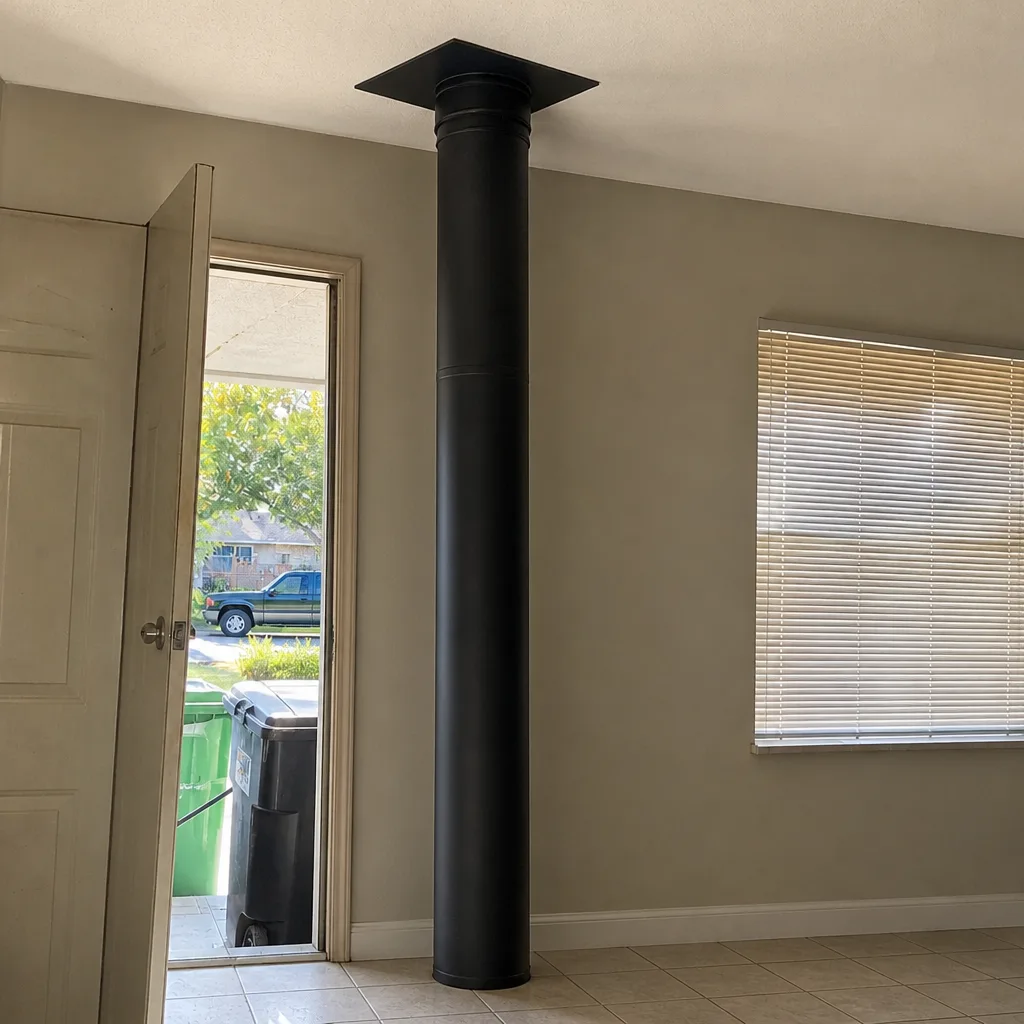
See the difference
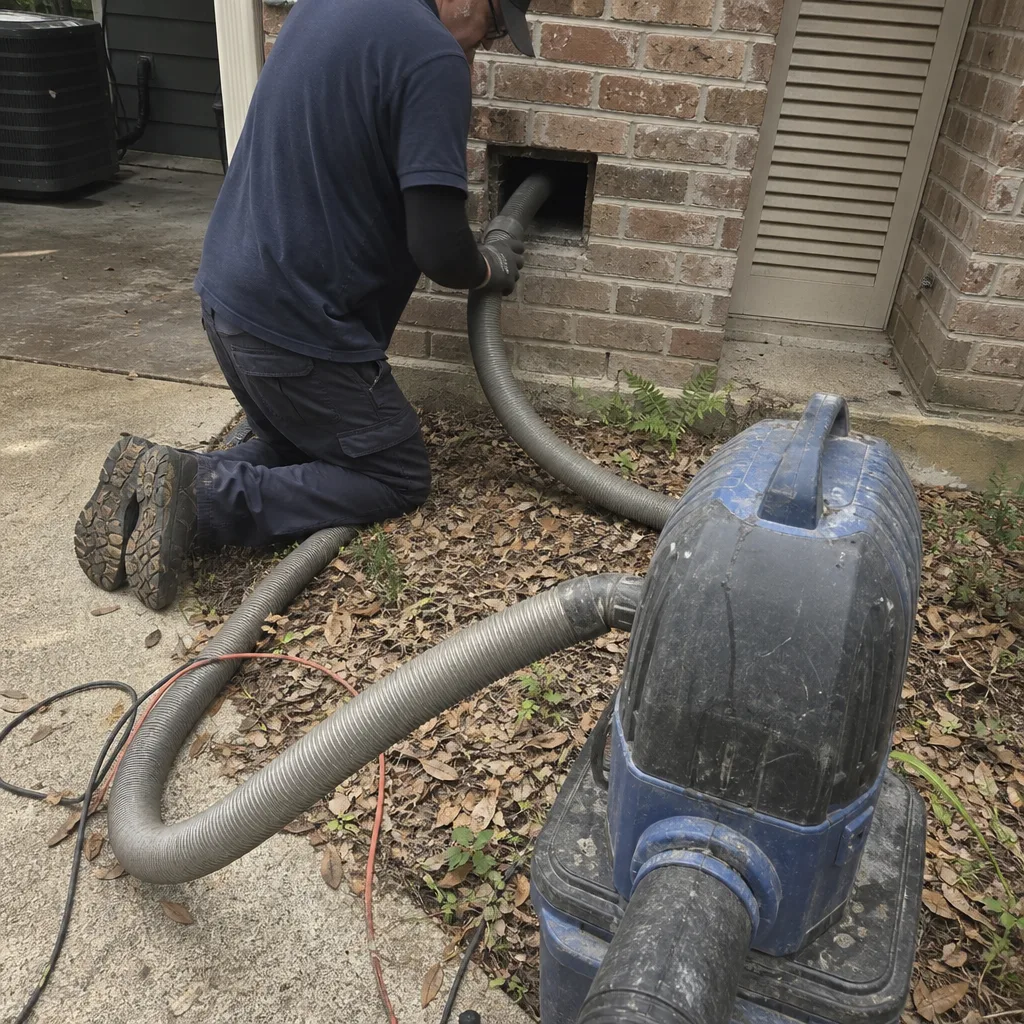 Before
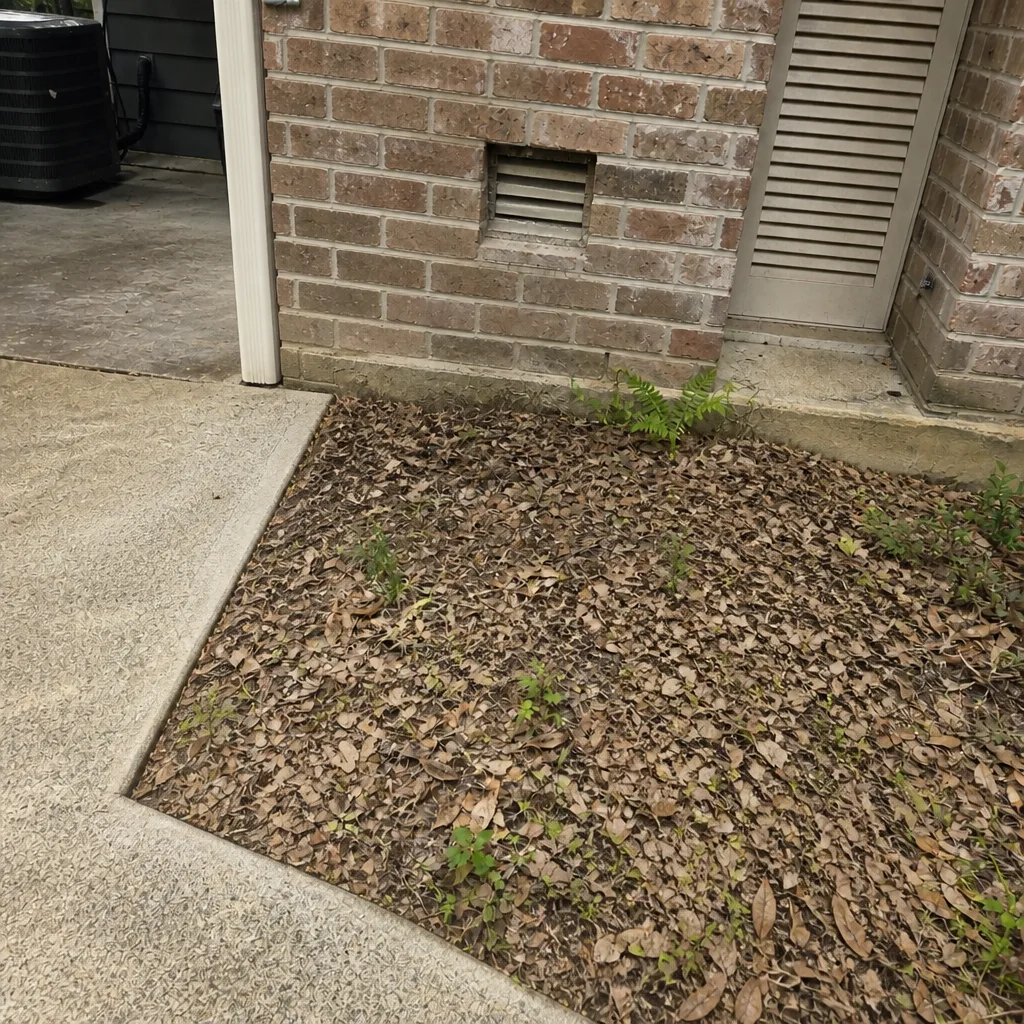 After
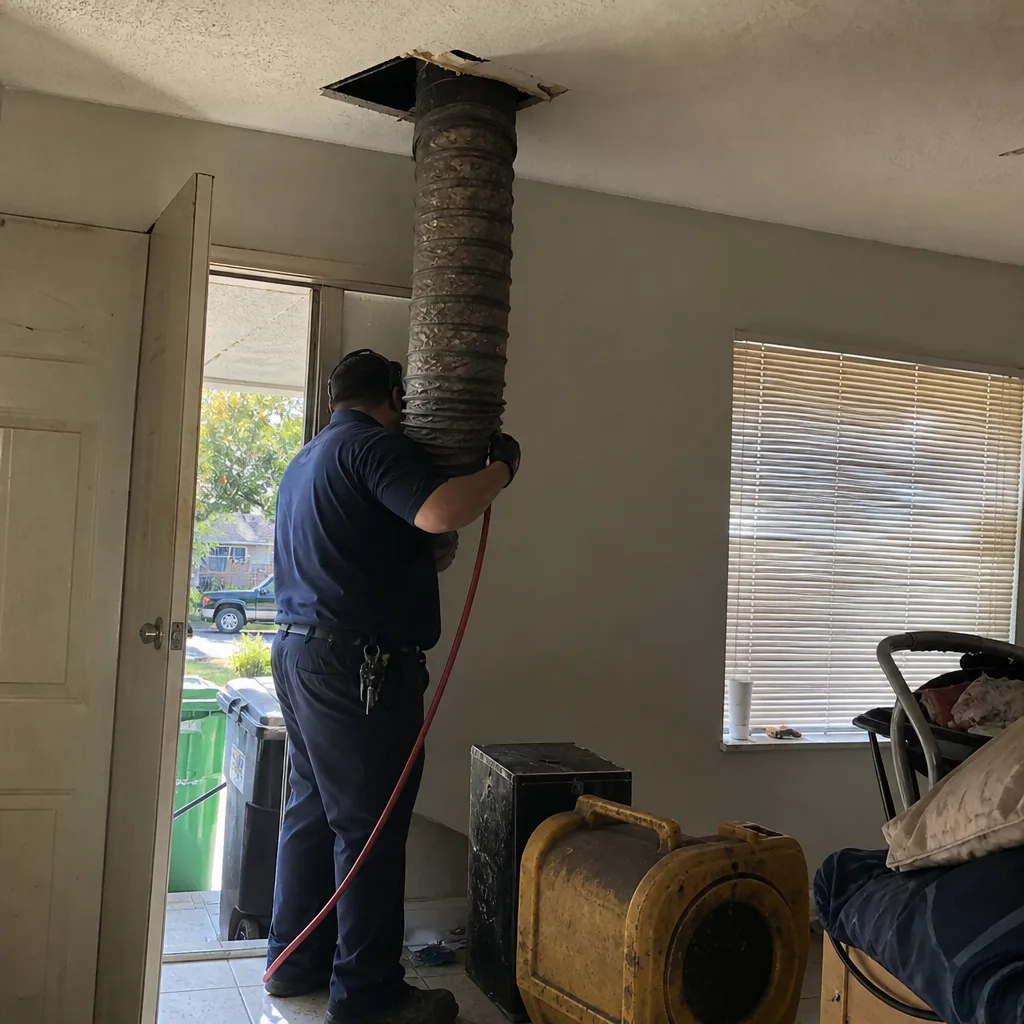 Before
 After
 Before
 After
Common Mistakes to Avoid
- Assuming the cleaning quote covers repairs. A low cleaning price and an honest repair quote are two different numbers. Ask before the technician arrives what happens if they find a disconnected run, and get the answer in writing.
- Skipping documentation because no permit was required. The whole point of keeping photos and invoices is that the permit requirement is often determined after the work. A clean record closes the gap either way.
- Hiring a cleaning-only company for a system that needs repair. You end up with clean ducts and a defect that will show up at inspection. One company handling both is a simpler path.
- Accepting an air-only cleaning method for heavy buildup. Air washing without mechanical agitation leaves debris on the duct walls. Ask specifically whether the equipment includes a rotary brush system like Rotobrush.
- Not asking who carries the license and the insurance. In Texas, HVAC contracting and duct cleaning are not the same licensing category. Know which one you’re hiring.
- Throwing away the before-and-after photos. These are the most useful document you’ll have at resale and in any claim. Save them in the same place you keep your home records.
- Assuming the attic duct system is fine because the house feels cool. Beaumont’s attic heat stresses duct systems year after year. A system can be leaking significantly and still keep the house comfortable enough that the homeowner doesn’t notice.
When to Call a Professional
Some duct problems are obvious and some aren’t. Call a professional when you see visible debris blowing from a register, when there’s a persistent musty or dusty smell that doesn’t clear after cleaning the room, when a room won’t heat or cool the way it used to, or when you can see a disconnected or crushed duct run in the attic. Call when a home inspector flags the duct system during a sale. Call when you’re planning any duct repair and you’re not sure whether a permit is required, because that’s exactly the question a professional should be able to answer clearly.
What you don’t want is a company that can clean but can’t repair, or one that repairs without telling you the permit situation. We handle air duct cleaning, dryer vent cleaning, and duct repair as one scope of work, and we’ll give you a clear answer on the permit question before anyone starts. Beaumont Duct Cleaning offers free estimates in Beaumont – call (866) 935-2761.
Frequently Asked Questions
No. Air duct cleaning in Beaumont, TX does not require a permit because it’s a maintenance service, not a construction or modification activity. Permits come into play when the work changes the duct system: replacing a section of ductwork, adding or rerouting a run, or modifying the air handler connection. Ask your contractor to be specific about which side of that line your job falls on. Call (866) 935-2761 if you want an exact answer on your system – estimates are free.
Cleaning removes debris from ducts that are already in place and stays permit-free. Repair alters or replaces components, and depending on the scope, that can trigger a mechanical permit under the IRC as adopted in Texas. A simple like-for-like reconnection may not need one; a duct replacement or reroute usually does. The key is knowing which category your job is in before the work starts.
Section M1601 of the International Residential Code, which Beaumont enforces along with its local amendments, covers duct construction, materials, sealing, and installation. It’s the section inspectors cite when they look at duct repairs. The code doesn’t apply to cleaning; it applies to how ducts are built, sealed, and supported.
Not necessarily. Texas requires a state license from TDLR for HVAC work, but duct cleaning on its own isn’t classified as HVAC contracting. That means a cleaning-only company may not hold the same license an HVAC contractor does. If you need repair work, ask whether the company is licensed to perform it and whether they pull the permit themselves. Call (866) 935-2761 for a straight answer on our scope of work.
Keep before-and-after photos of the work area, the written estimate, the final invoice, and a one-page plain-English description of what was repaired. If any permit was pulled, keep the inspection sign-off as well. This record answers a buyer’s inspector’s question at resale and gives you a documented baseline if you ever file an insurance claim. It costs almost nothing and saves real hassle later.
Ask for before-and-after photos of your own ducts, not stock images. A professional job produces a visual record you can hold onto. We incorporate photo documentation into every job and use Abatement Technologies containment and Rotobrush mechanical brush cleaning so the work is verifiable in the results, not just on the invoice. Call (866) 935-2761 for a free estimate – we answer 24/7.
The Bottom Line
Duct cleaning in Beaumont is almost always permit-free. Duct repair often isn’t, and the difference can surface years later during a home sale inspection or an insurance claim. The safe path is straightforward: hire one company that both cleans and can repair, insist on a written per-system price before work starts, ask who pulls the permit when one is needed, and keep every photo and invoice. The IRC’s Section M1601 sets the standard for how repaired ducts must be built, and a contractor who knows that section is the one you want touching your system. None of this is complicated when the company is equipped to handle it.
Call (866) 935-2761 for a free estimate. We answer 24/7. Fast dispatch from 7am to 7pm, Sunday through Friday.
Written by the team at Beaumont Duct Cleaning.