
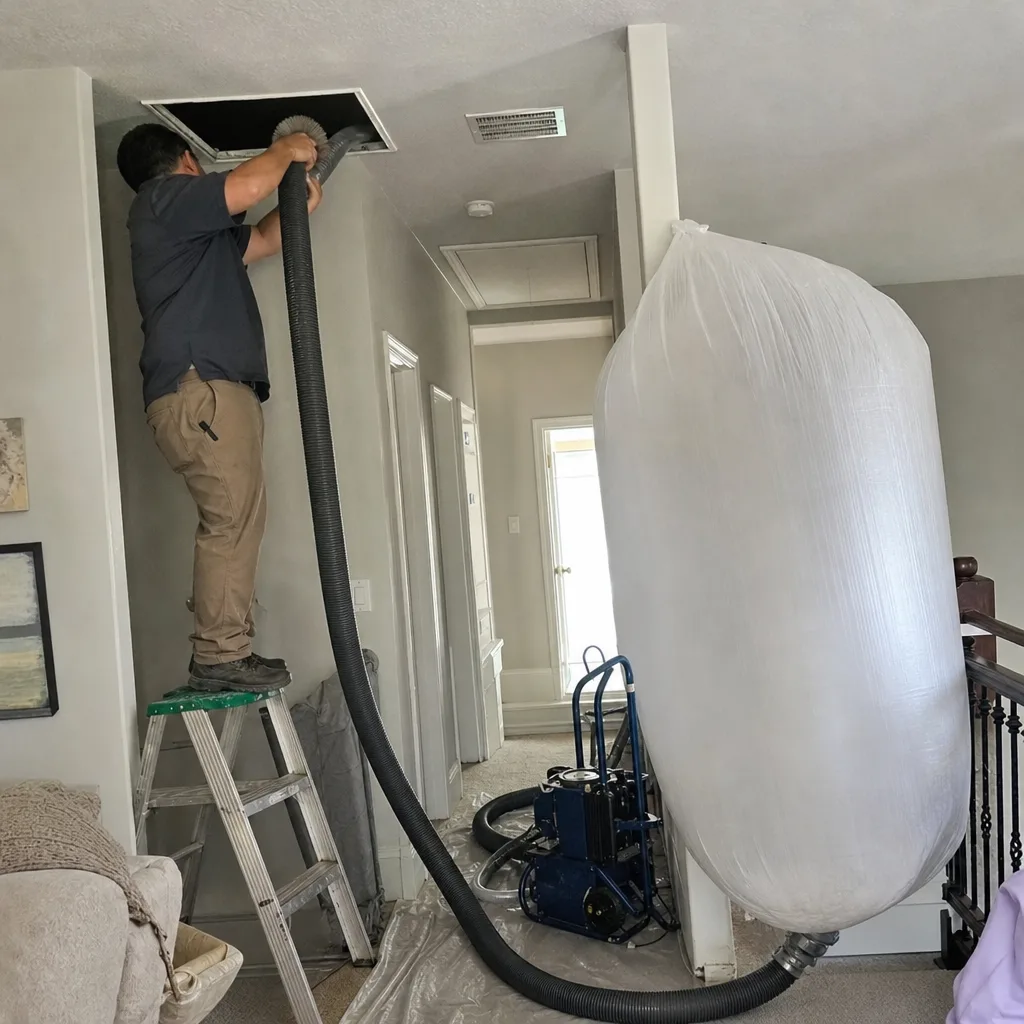
Last updated November 16, 2026
 Whole-home duct cleaning
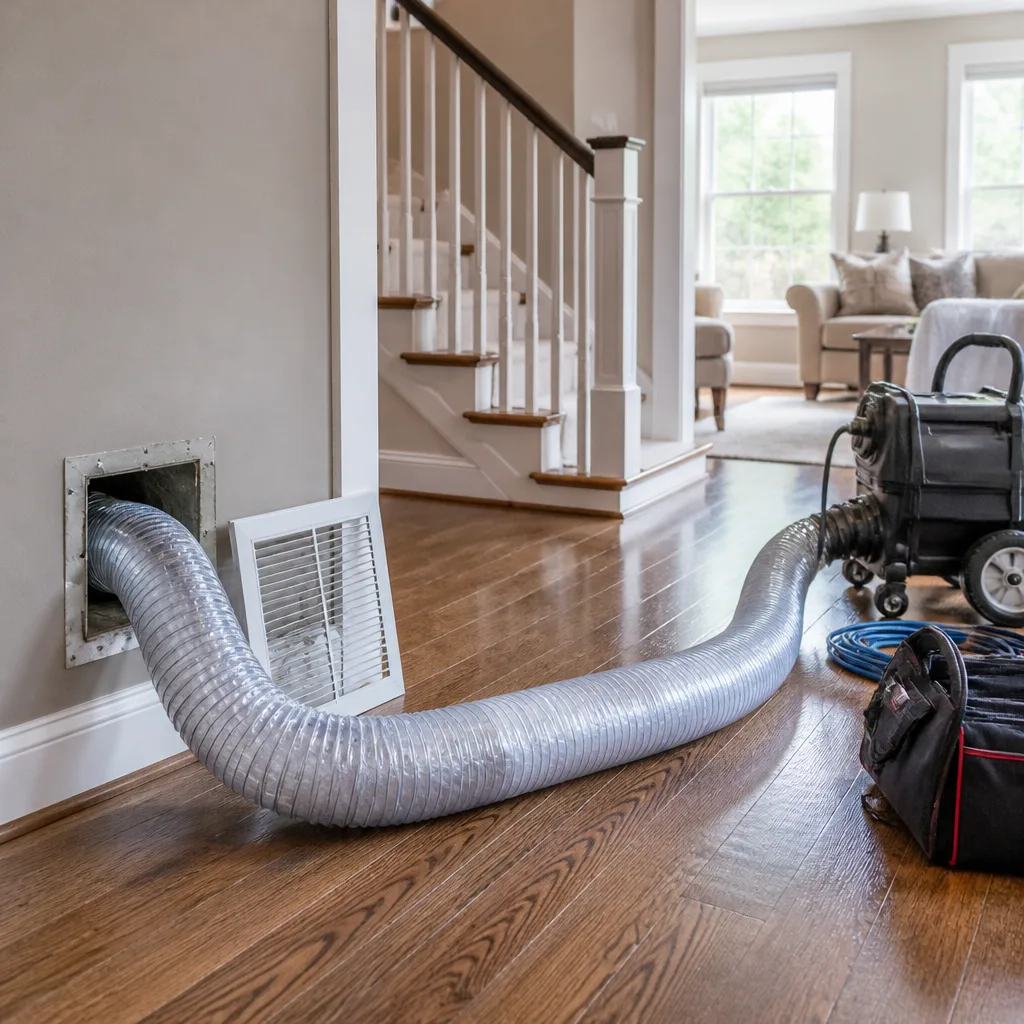
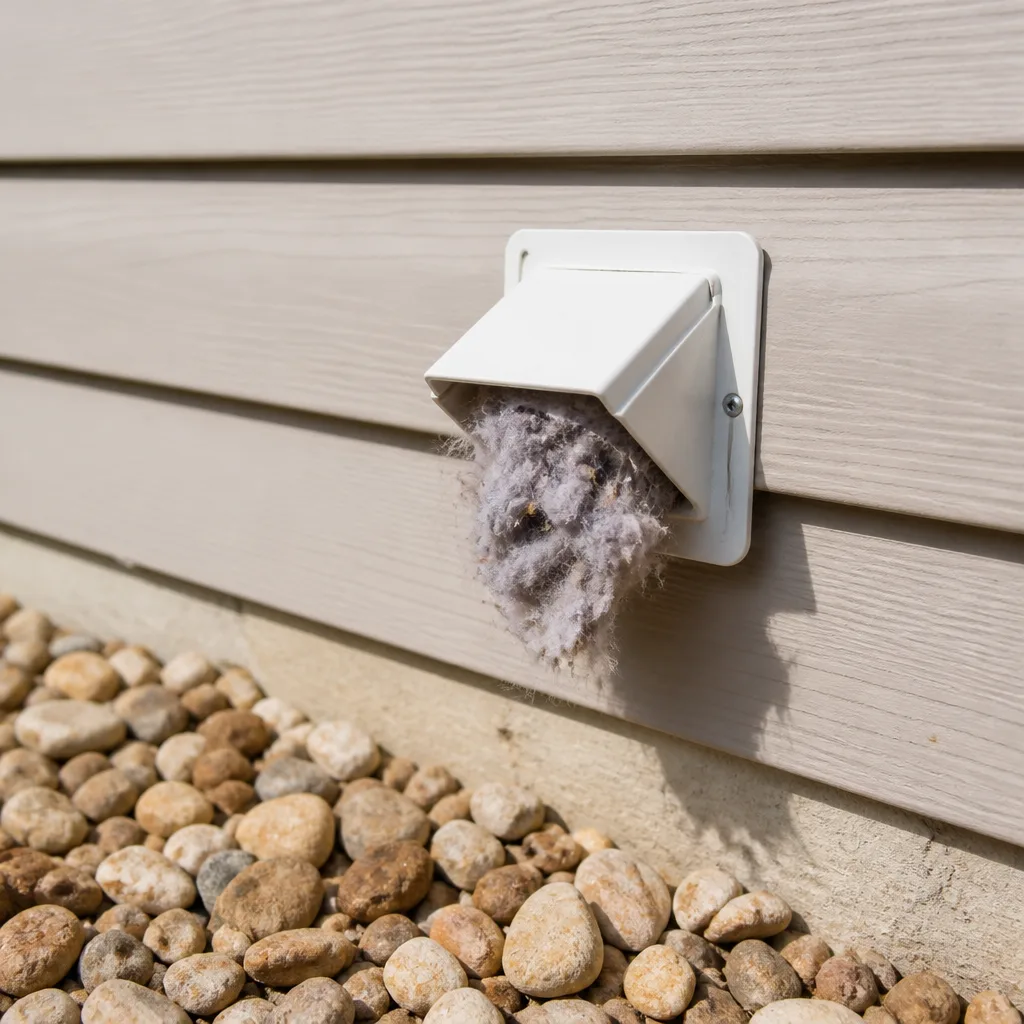 Dryer vent cleaning
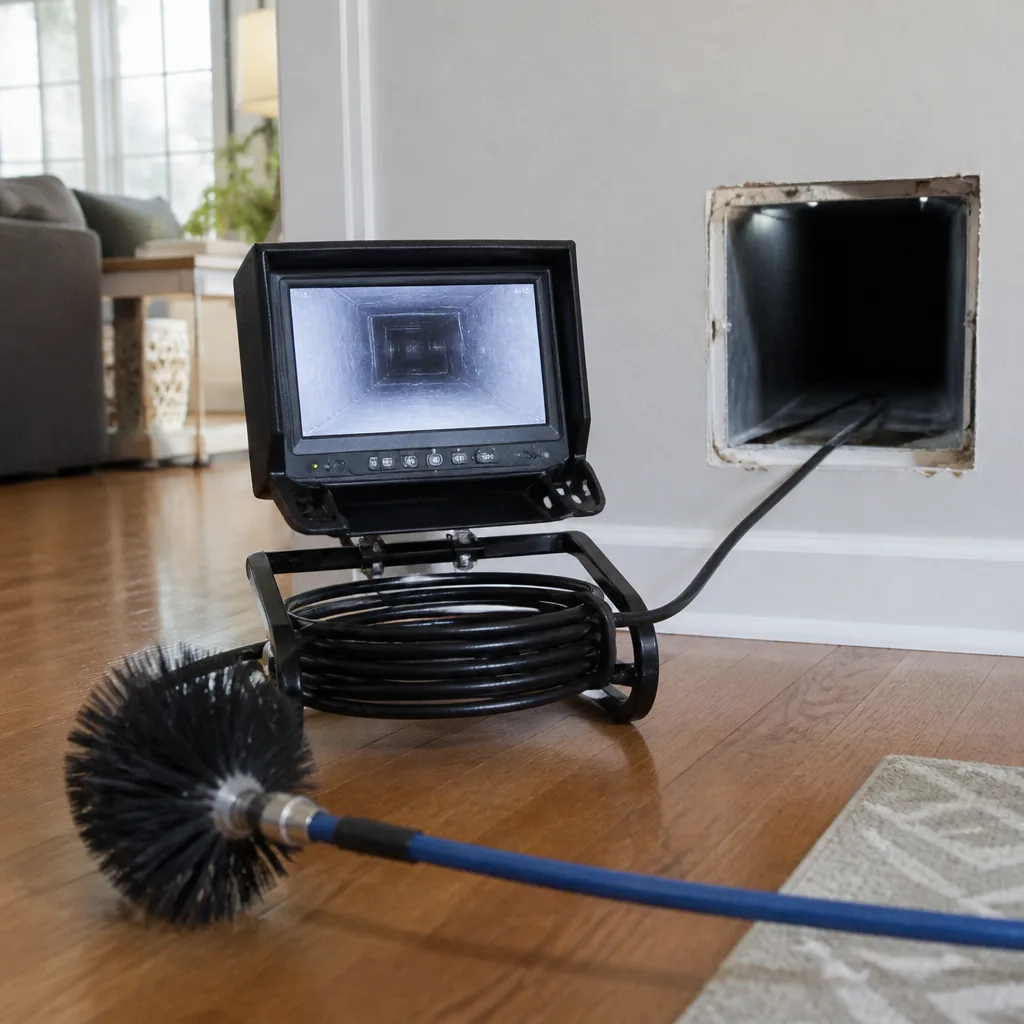 Camera inspection
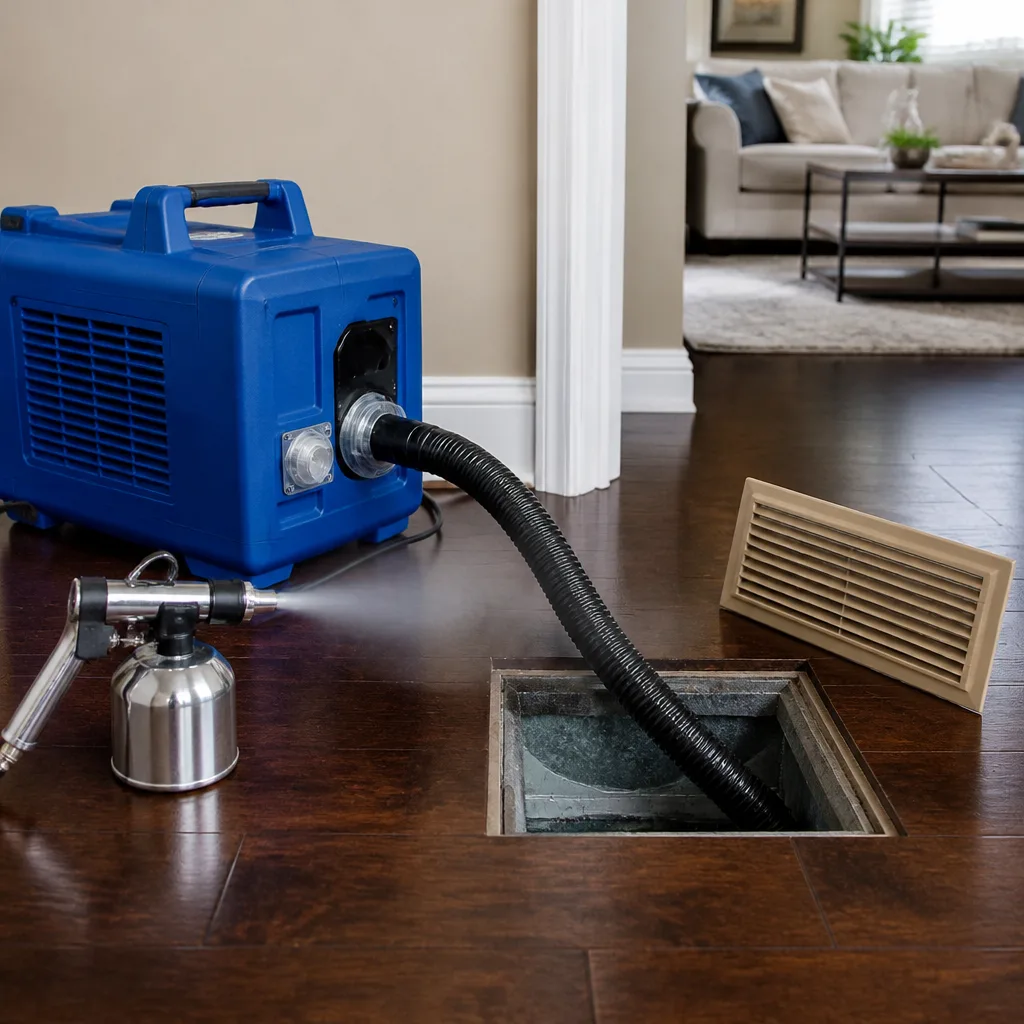 Sanitizing & deodorizing
Whole-system duct and dryer vent check with before-and-after photos - you see exactly what came out of your vents
That "$99 whole-house special" is a bait ad - the real number appears once they are in your hallway, or the "clean" is a shop-vac at the register. We photograph the inside of your ducts before and after instead.
Choosing the Right Air Duct Cleaning Brand: A Buyer’s Guide for Beaumont
Most homeowners compare duct cleaning companies by review counts and price. We think that’s backwards. Reviews tell you how a past customer felt about a phone call, and price tells you what a competitor is willing to charge, neither of which says whether the equipment that arrives can actually pull embedded debris out of your duct walls. The single biggest variable in whether your cleaning reaches the problem or just skims the surface is the mechanical system on the truck. This guide breaks down what Rotobrush, Nikro, and Abatement Technologies equipment each does, how the systems work together, and which questions will tell you what a contractor is really bringing to a Beaumont home.
Styles & brands we work with
- Whole-home duct cleaning
- Dryer vent cleaning
- Camera inspection
- Sanitizing & deodorizing
Quick Answer
Choosing the right air duct cleaning brand means evaluating the mechanical systems behind the quote, not the marketing around it: agitation equipment like Rotobrush to physically loosen buildup, negative air and HEPA containment like Nikro and Abatement Technologies to capture it, and the ability to repair a damaged duct rather than only vacuum it. A Beaumont company that can name its equipment and explain how it’s deployed will almost always deliver more of your debris to a collection bin than a cheaper operator using air-washing alone.
Table of Contents
- Why Equipment Matters More Than Reviews
- What Rotobrush Systems Do Mechanically
- What Nikro Negative Air Machines Contribute
- How Abatement Technologies Controls Airborne Particulate
- Why the Equipment Combination Matters
- Questions to Ask Any Contractor Before Booking
- When Cleaning Isn’t the Whole Job: Duct Repair
- What Beaumont Homes Need to Know About Their Ducts
- Common Mistakes to Avoid
- When to Call a Professional
- Frequently Asked Questions
- The Bottom Line
Why Equipment Matters More Than Reviews
Duct cleaning has a physics problem that marketing can’t solve. Dust, dander, and debris bond to the inside of a duct wall over time. A high-volume air sweep pushes the loose material along, but it does very little to the material that has adhered to the metal or flex duct surface. If the mechanical system that arrives at your home doesn’t agitate the duct surface and capture what loosens, some percentage of the soot stays exactly where it was.
That’s why equipment should be the first thing you evaluate. A five-star review is a statement about a customer experience. A Rotobrush or Nikro setup is a statement about what mechanisms are available on the job. The two are not equivalent, and in our experience the second is the one that decides whether your ducts are genuinely cleaner.
The purchase price of the home doesn’t matter here; the equipment footprint does. A HVAC system in a newer Beaumont subdivision and one in an older home with decades of accumulated dust are both going to be limited by what tooling goes in the duct. Ask directly, and listen for specific model families. A contractor who says “professional equipment” without naming it may be running a shop-vac-level setup.
For a full picture of what a proper cleaning engagement looks like end-to-end, our air duct cleaning page covers the process from inspection to final walk-through.
What Rotobrush Systems Do Mechanically
The Rotobrush system is a rotary brush that travels through your ductwork on a flexible whip while a built-in vacuum pulls behind it. The brush rotates continuously against the duct wall, mechanically breaking the bond between the buildup and the surface. This is the “agitation” half of source removal, and it’s the part most budget-friendly competitors skip entirely.
Here’s what makes that mechanical action matter:
- Contact cleaning. The brush physically touches the duct wall. Air washing does not. A rotating bristle head lifts adhered material in a way that a directional jet of air cannot match.
- Continuous draw. The vacuum integrated into the Rotobrush system pulls loosened debris into a collection point right at the cleaning head instead of pushing it down the duct run.
- Flexibility for real duct layouts. Residential ducts turn, narrow, and flex. The Rotobrush whip is built for those transitions, which is exactly what you need in a Beaumont home where trunk lines and branch runs take awkward paths through attics and walls.
- Consistent coverage. The cleaning is driven by the brush, not by how hard the technician pushes air. Coverage is more uniform across the length of the run.
The Rotobrush approach is specifically designed for residential duct systems with typical debris loads: house dust, pet hair, construction dust from prior remodeling, and the fine particulate that settles over years. Heavier commercial or remediation loads call for additional containment on top; that’s where Nikro and Abatement come in. But as a residential mechanical build, the rotary brush does the core work that any true cleaning job requires.
Ask any contractor: “Do you run a rotary brush, and does the brush have its own vacuum?” If the answer is a generic “we use a big vacuum,” you now know what’s actually being brought to your home.
What Nikro Negative Air Machines Contribute
Nikro equipment is a family of professional HVAC and duct cleaning machines. The negative air machines in that lineup are built to do a job that a standard shop vacuum cannot: create and hold a pressure differential in a duct or containment zone while filtering the air that passes through, typically through HEPA filtration. In a duct cleaning context, that means loose particulate stays captured rather than being exhausted into your living space.
What a Nikro negative air machine contributes to a cleaning setup:
- Pressure control. It keeps the duct under negative pressure relative to the room, so any loosened debris travels toward the collection point and not into the air you’re breathing.
- HEPA-grade filtration. The machine filters the air it exhausts, which matters when you’re disturbing fine dust.
- Containment reliability. Where the cleaning involves a system knockout or a return register being opened, the negative air machine seals the pressure boundary so that the room you’re standing in stays out of the debris stream.
- Commercial-tier durability. These are machines built for repeated professional use. If a contractor has one, it’s a signal they’ve invested in a professional setup rather than improvised tooling.
Negative air matters most when the debris load is high, when a duct run connects to an open room, or when a homeowner has asked about air quality specifically. A Beaumont home near active construction dust, or one where HVAC inefficiency has been traced to duct leakage, is exactly the scenario where containment should be part of the plan, not an add-on.
Nikro equipment and Rotobrush serve different halves of the process. Ask a contractor if their setup includes negative air and how it’s deployed; if the answer is vague, that’s a real limitation.
How Abatement Technologies Controls Airborne Particulate
Abatement Technologies equipment is built for environments where airborne particulate has to be controlled at the source during the work. Negative-air machines and containment systems used in professional air-quality remediation are engineered around a single idea: knock down the dust where it’s disturbed, not after it’s floating.
That matters in duct cleaning because the cleaning itself is an agitation exercise. The moment you pull a rotating brush against a duct wall, you’re stirring the sediment that’s been settled for years. The question is whether the airborne fraction goes into a HEPA filter or into your hallway.
Abatement-grade equipment is how a careful contractor answers that question:
- The machine holds negative pressure and filters the exhaust so that no visible dust plume escapes the containment.
- Containment barriers isolate the opening being worked on, keeping adjacent rooms clean.
- Filtration continues during and after the mechanical cleaning, so the room isn’t left to settle with the debris you just loosened.
- Equipment is rated for particulate capture at remediation grade, which is a higher standard than consumer air purifiers.
Abatement Technologies is where the difference becomes visible to a homeowner: during the job, an Abatement-equipped setup looks contained. No plastic sheeting rippling with escaping air. No cloud-in-the-living-room moment. That’s the whole point. We bring Abatement Technologies equipment specifically because “we cleaned the ducts” and “we controlled the air in the room while we cleaned them” are two different claims, and only the second one holds up in a real home.
Why the Equipment Combination Matters
This is the section most homeowners never see in a comparison guide, and it’s the one that should drive the decision. Agitation and containment are two parts of one job, and doing either alone is an incomplete process.
Consider what happens when you have agitation without containment. The Rotobrush or a rotary brush is loosening debris from the duct wall. If there’s no negative-air machine holding pressure, the loosened particulate has to go somewhere. Some of it travels to the collection point. The rest exits at seams, joints, and register openings. Result: the duct wall is cleaner, but the room air absorbed the difference. That’s not a win for anybody with allergies.
Now consider containment without agitation. The negative-air machine is filtering the air, but there’s no mechanical brush contacting the duct wall. The adhered dust stays adhered. The duct “looks” cleaner because dust that was going to fall out on its own is being pulled through, but the layer that needed physical removal is still on the metal. That’s not a win either.
The correct setup is both, working together:
- Negative air brings the duct under a controlled pressure differential.
- The rotary brush agitates the duct wall and loosens embedded debris.
- The integrated vacuum moves loosened material toward the collection point.
- HEPA filtration captures airborne particulate so the room stays clean.
- Containment seals the work area from the rest of the home throughout.
That’s what a professional cleaning setup looks like, and it’s the reason equipment combinations (Rotobrush plus Nikro plus Abatement Technologies) belong in any serious conversation about what a cleaning quote is going to include. A Beaumont homeowner should be able to ask “what’s your agitation setup, and what’s your containment setup?” and get two specific answers.
When you’re ready to talk through what a full system job looks like, our main Beaumont Duct Cleaning page walks through the three services we handle.
Questions to Ask Any Contractor Before Booking
You don’t need to become a duct cleaning technician to vet a contractor. You need six good questions, asked in order, with an expectation of specific answers.
- “What mechanical cleaning system do you use?” You want to hear a rotary brush system named (Rotobrush is the standard), not “a big vacuum.” A hand vacuum does not contact the duct wall.
- “Do you run a negative air machine with HEPA filtration?” Nikro or equivalent. If the answer is no, the contractor has no containment against airborne particulate, and dust will settle into your home during the job.
- “How do you handle containment around the registers and openings?” Look for Abatement Technologies-grade equipment or an equally specific answer about containment barriers. Vague answers here mean dust escapes.
- “Do you pull the blower motor or protect it during cleaning?” A proper job protects the equipment while the duct system is being worked. Ask.
- “Do you take before-and-after photos of my own ducts?” This is the single best answer to “did they actually clean it.” A contractor confident in their equipment will photograph the work.
- “Can you repair a duct if it’s damaged or disconnected?” Cleaning reveals problems. A company that only cleans will hand you a second call and a second invoice. One that also does duct repair keeps the job in one place.
You’ll notice none of these are “are you certified?” Certification is real, but it doesn’t describe the tooling. Equipment questions get you further, faster.
We’ve seen Beaumont homeowners end up with a second cleaning six months after the first because the initial pass was air-only. The equipment question prevents that loop.
When Cleaning Isn’t the Whole Job: Duct Repair
Duct cleaning assumes the duct system is structurally sound. In many homes, it isn’t. A disconnected joint in the attic, a crushed flex run behind a knee wall, or a seam that’s opened after years of thermal cycling will undermine the entire cleaning result, because whatever you clean will be re-contaminated through the leak.
This is where a full-system resource beats a single-service cleaner. When we inspect a Beaumont duct system, we’re also looking for:
- Disconnected sections between the plenum and the trunk, and along branch runs.
- Crushed or pinched flex duct where it was run too tight through framing.
- Leaking seams and joints that reduce HVAC efficiency and pull unconditioned attic air into the system.
- Failed register boots or connections that let air escape at the outlet.
- Duct runs that have pulled free from a fitting because of movement or prior modification.
If any of that turns up, we repair it, and that’s a meaningful difference in the quote you’re comparing. A cleaner-only contractor will still need to hand you off. Our position is simple: we clean it, and we can fix it, which means the homeowner isn’t left coordinating two visits and two schedules for one duct system.
Duct repair also preserves the investment. Cleaning a system and then leaving it leaking is a decision a homeowner usually regrets. Ask every contractor you consider whether their scope includes repair, and if it doesn’t, factor in that gap when comparing prices.
What Beaumont Homes Need to Know About Their Ducts
Some of what a duct system accumulates is a function of climate and house type, not just of how often someone vacuums. Beaumont is humid for much of the year, and that humidity affects how dust settles in the system and how the HVAC runs to keep up. A unit that runs consistently through Beaumont’s warmer months moves a lot of air through the ducts, and every hour of that runtime deposits more of what’s suspended in the return air onto the duct walls.
We also see common duct layouts that shape what a cleaning job looks like in the area:
- Attic runs. Many Beaumont homes put the air handler and a good portion of the ducting in the attic. Those runs see temperature swings and often show connection issues, which is one reason duct repair comes up so often on this kind of job.
- Older in-wall ducting. If the home has been through additions and remodels, duct runs may have been spliced or modified, and those splices are worth checking during a cleaning inspection.
- Flex duct transitions. Where flex duct was used, the connection points and the flex itself are the parts most prone to sagging, pinching, and detaching.
- Return-air paths. Return ducts pull from the whole house, so they typically collect the widest variety of debris, from pet hair to fine construction dust.
Familiarity with Honeywell and Aprilaire whole-home filtration and air quality equipment also matters when a homeowner has a filtration system integrated with their HVAC. Cleaning around those components requires knowing what they are and how they should be handled, not just vacuuming through them.
If you’re in a Beaumont neighborhood and want to talk through a specific system layout, we’re glad to walk through it on the phone. More on our Beaumont page.
Common Mistakes to Avoid
- Choosing on price alone. The lowest quote is almost always the lightest tooling. If a quote is dramatically below the others, ask what mechanical system is being used, and expect the answer to sound thinner.
- Assuming “we use a HEPA vacuum” means containment. A HEPA vacuum used as a spot tool doesn’t hold the duct under negative pressure. Ask specifically about negative air and containment during the job.
- Skipping the before-and-after photos. If the contractor can’t or won’t photograph the inside of your duct before and after, you have no basis for evaluating what happened. Ask up front.
- Assuming cleaning replaces repair. If the system has a disconnected or crushed run, the cleaning doesn’t solve it. Ask for a repair scope or confirm the contractor can handle both.
- Not asking about the blower and air handler. A proper job protects HVAC equipment during cleaning. A contractor who doesn’t discuss it doesn’t have a plan for it.
- Booking without confirming scope in writing. Get the estimate in writing and confirm which rooms, which registers, and which items (repair, filtration components) are inside the scope.
- Forgetting the dryer vent as a separate system. Your dryer vent is not connected to the HVAC ducts and is not cleaned as part of a duct job. It’s a separate service with its own fire-safety rationale.
When to Call a Professional
You don’t need to clean ducts on a calendar. You do need to call a professional when there’s a reason:
- You see visible dust streaking out of registers when the system runs.
- You’ve had a remodel and want construction dust cleared from the duct system.
- Your HVAC is losing efficiency and you’ve ruled out the obvious causes but not the ductwork.
- You’re experiencing allergy symptoms inside the home that ease when you’re away.
- A dryer vent isn’t exhausting properly, which is a dryer vent cleaning issue, not a duct cleaning issue, and shouldn’t be deferred.
- An inspection flagged duct damage, disconnected runs, or excessive buildup.
Beaumont Duct Cleaning offers free estimates in Beaumont. Call (866) 935-2761. We answer 24/7, fast dispatch from 7am to 7pm, Sunday through Friday. Every estimate is written, and every price is set per job before any work starts.
Frequently Asked Questions
The best choice is a company that can explain its mechanical cleaning system, its containment setup, and its repair capability in specific terms. In Beaumont, that means asking for the agitation system (Rotobrush is the recognized standard), the negative air equipment (Nikro-class machines), and whether duct repair is within scope. Reviews and price are worth noting, but the equipment answers should drive the decision.
It works if the equipment is deployed correctly. Mechanical brush agitation plus negative air containment removes more debris than either approach alone, and much more than air-only cleaning. A company running a real rotary brush and a HEPA negative air machine is doing a genuinely different job than one running a big vacuum. Call (866) 935-2761 for a free estimate and ask what equipment is being sent, we’re happy to answer in detail.
Cheaper quotes usually reflect a lighter equipment load: air-washing instead of rotary brush, no negative air containment, and no repair scope. The price isn’t wrong; it’s just paying for a different level of work. When you’re comparing quotes in Beaumont, ask what mechanical system is being brought and whether containment is included. The answers usually explain the gap. Call (866) 935-2761 if you’d like a written estimate to compare.
Ask for before-and-after photos of your own ducts, taken by the technician during the job. A company confident in its equipment has no hesitation about photographing the coil, the plenum, or a representative branch run. If a contractor avoids the request, that tells you something. We take photos of your duct system before and after, and we go over them with you when the job wraps.
There’s no universal interval. Homes with pets, recent remodeling, or heavy dust loads tend to need it more often than a home with a clean HVAC system and no pets. Instead of following a calendar, use triggers: visible dust at registers, HVAC inefficiency that isn’t explained by a filter, allergies that ease away from home, or a duct inspection that shows buildup. Call (866) 935-2761 for a free estimate if you’re unsure where your system stands.
Yes. We know how Honeywell and Aprilaire whole-home air quality and filtration systems integrate with the HVAC and duct system, and we work around them rather than treating them as obstacles. If your home has one of these systems, mention it when you call so we can plan the cleaning around it. Call (866) 935-2761 for a free estimate.
The Bottom Line
The right duct cleaning brand in Beaumont is the one that tells you exactly what mechanical system is coming, how containment is handled, and whether repair is within scope. Rotobrush gives you agitation. Nikro and Abatement Technologies give you containment and HEPA filtration. Together they mean the cleaning reaches the duct wall and the loosened debris stays captured instead of settling into your living space. Add a contractor who also repairs duct damage, and you’ve eliminated the biggest failure mode in this trade: a cheap cleaning that has to be redone. Ask the six questions. Read the written estimate. Book the company that gives you specifics. Call (866) 935-2761, we answer 24/7, fast dispatch from 7am to 7pm, Sunday through Friday.
Written by the team at Beaumont Duct Cleaning.
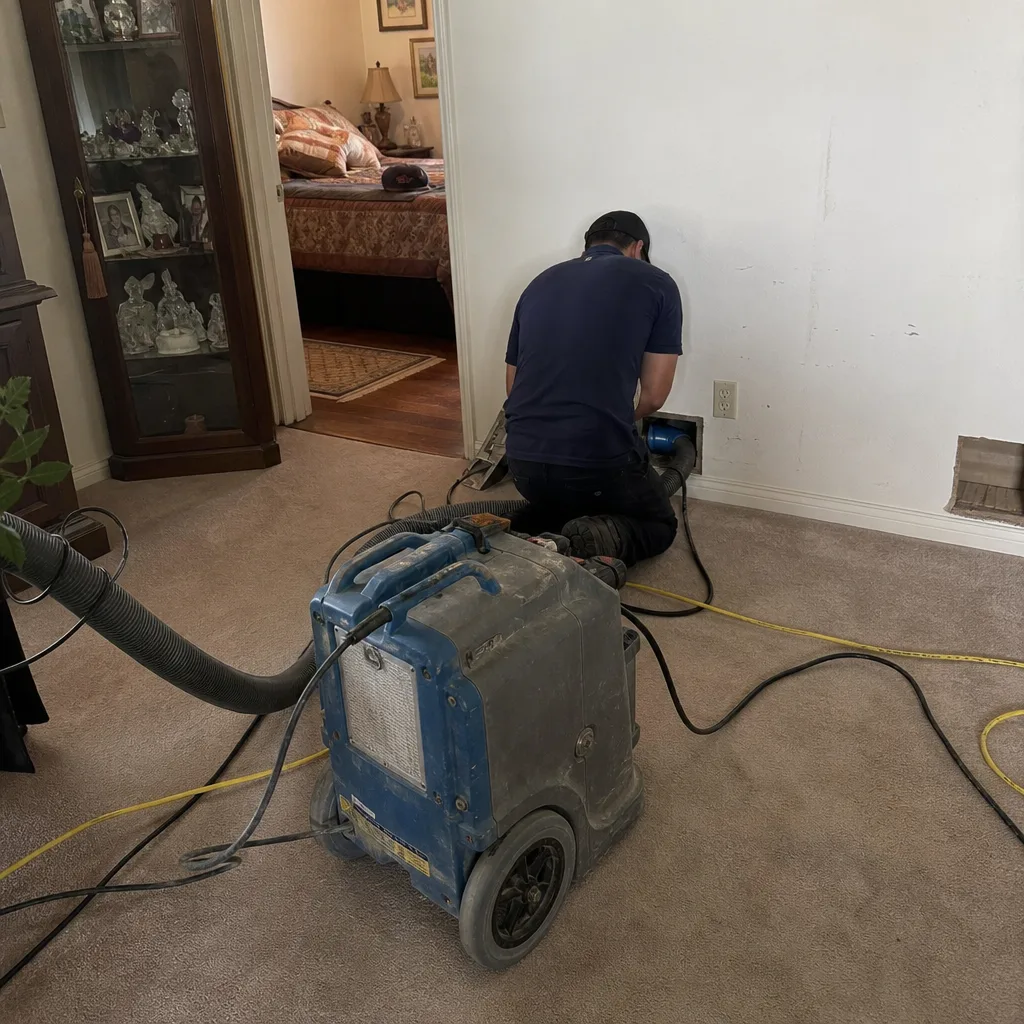
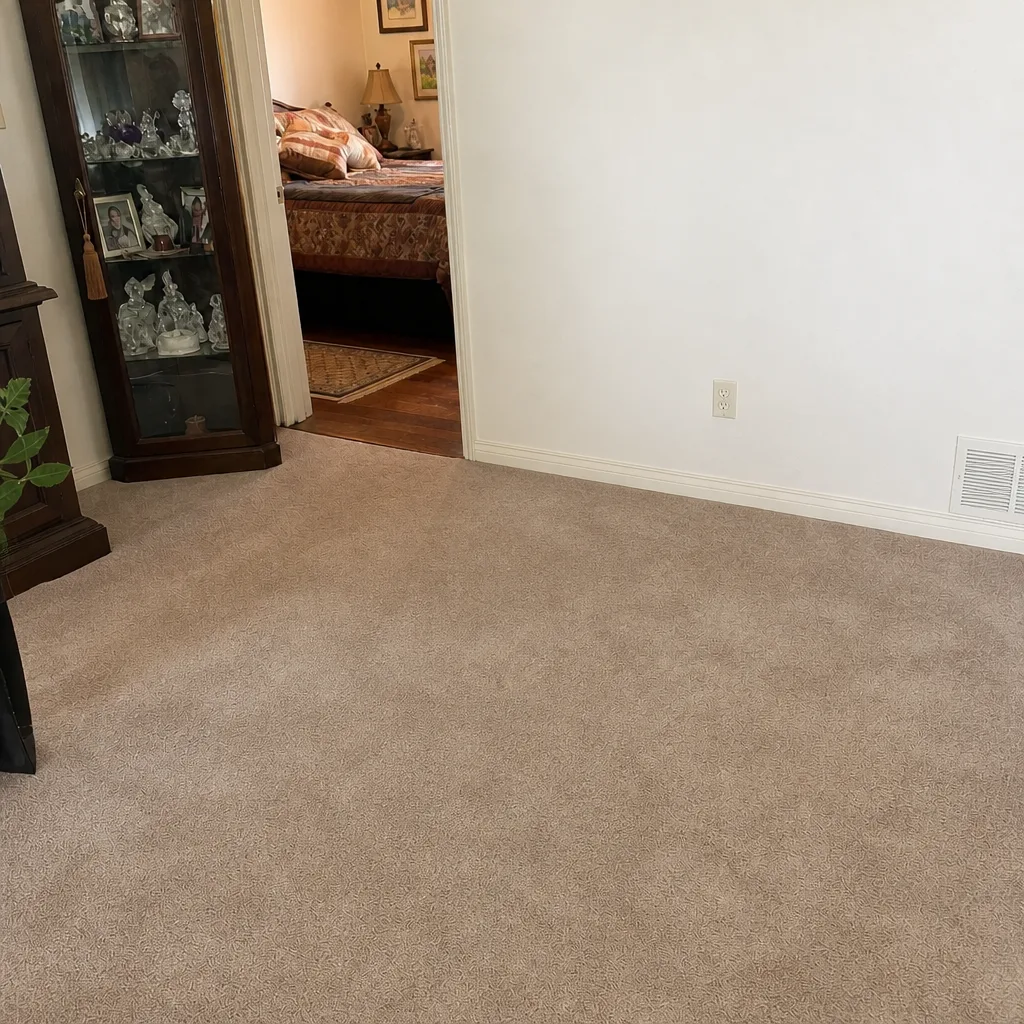
See the difference
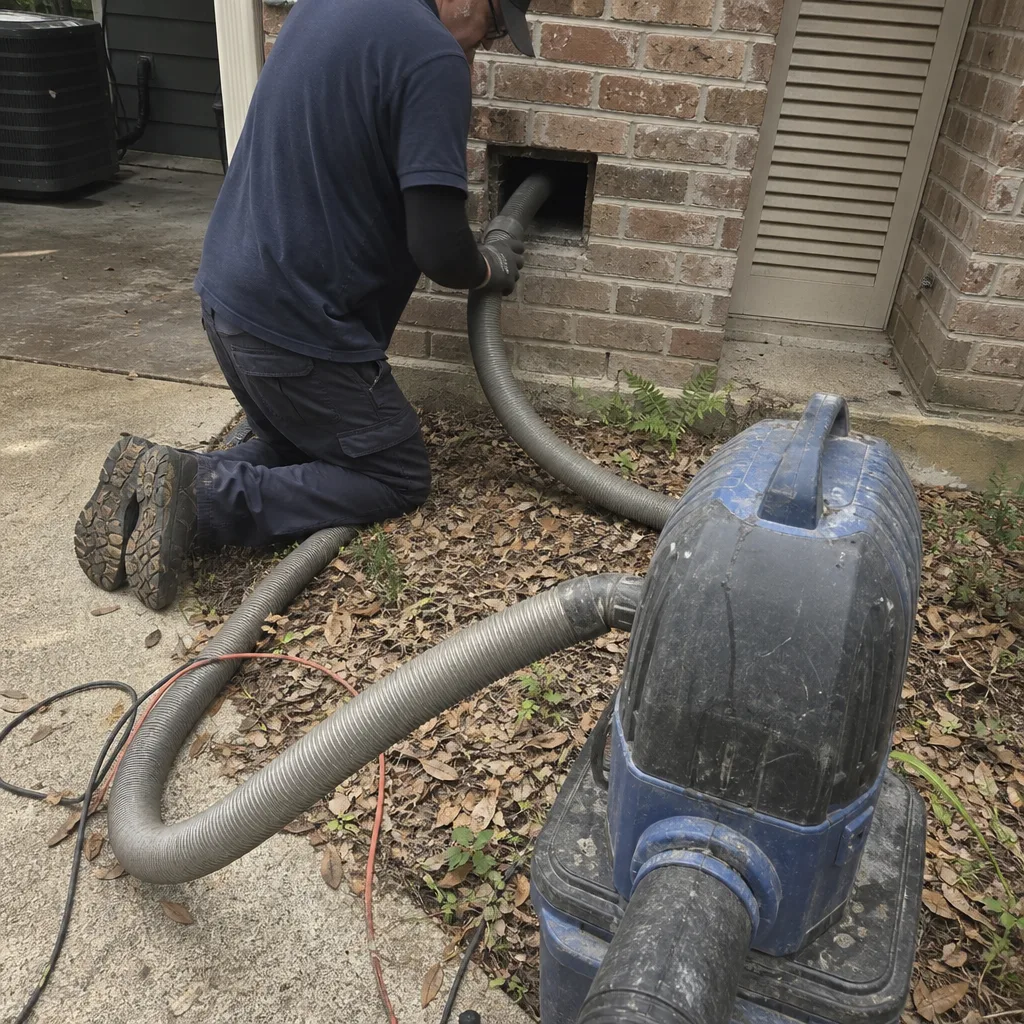 Before
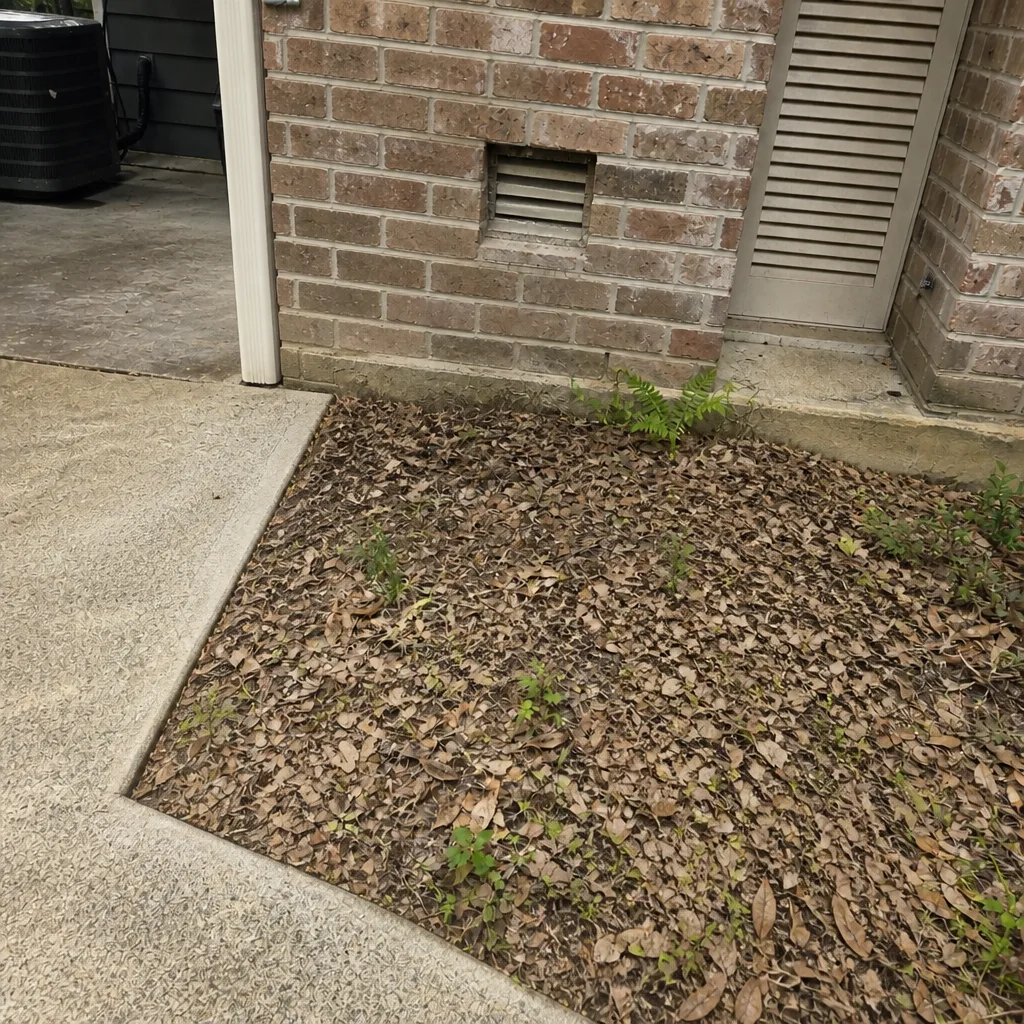 After
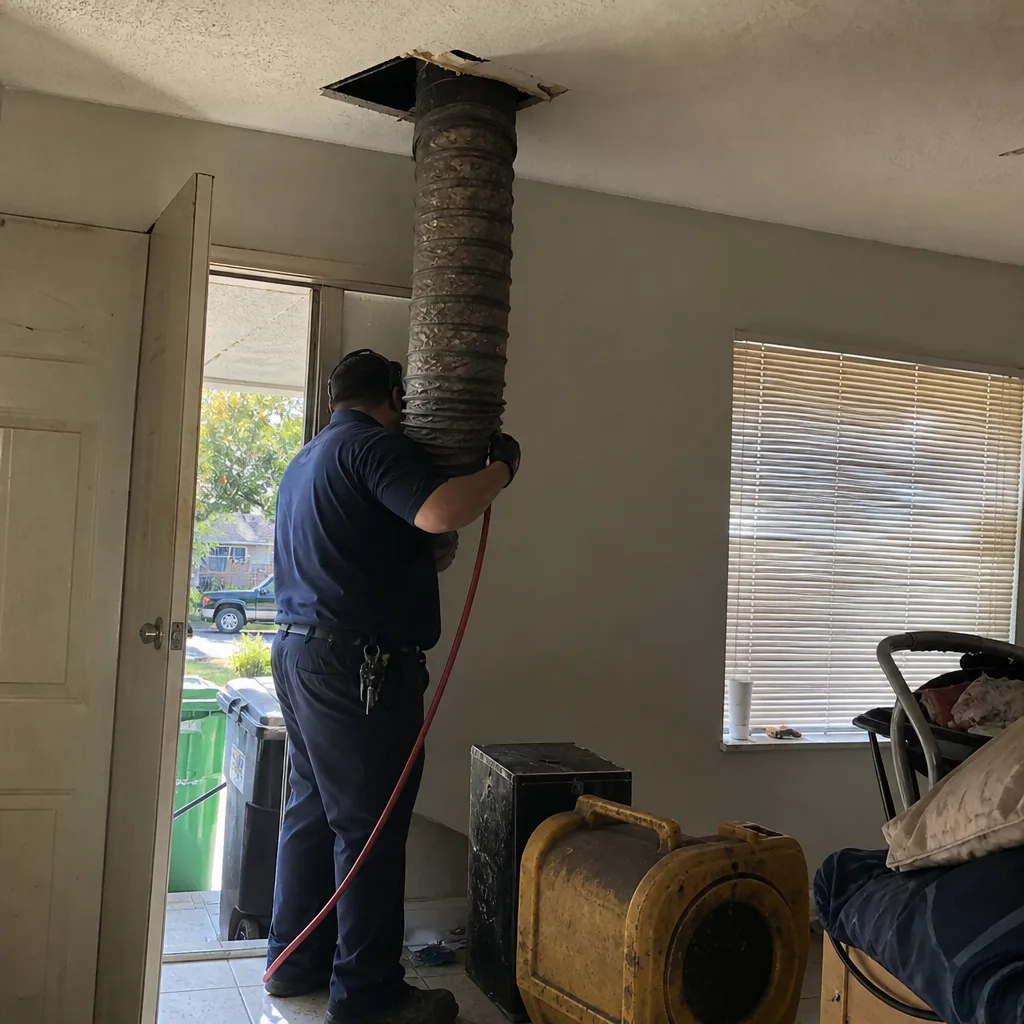 Before
 After
 Before
 After