
Last updated November 16, 2026
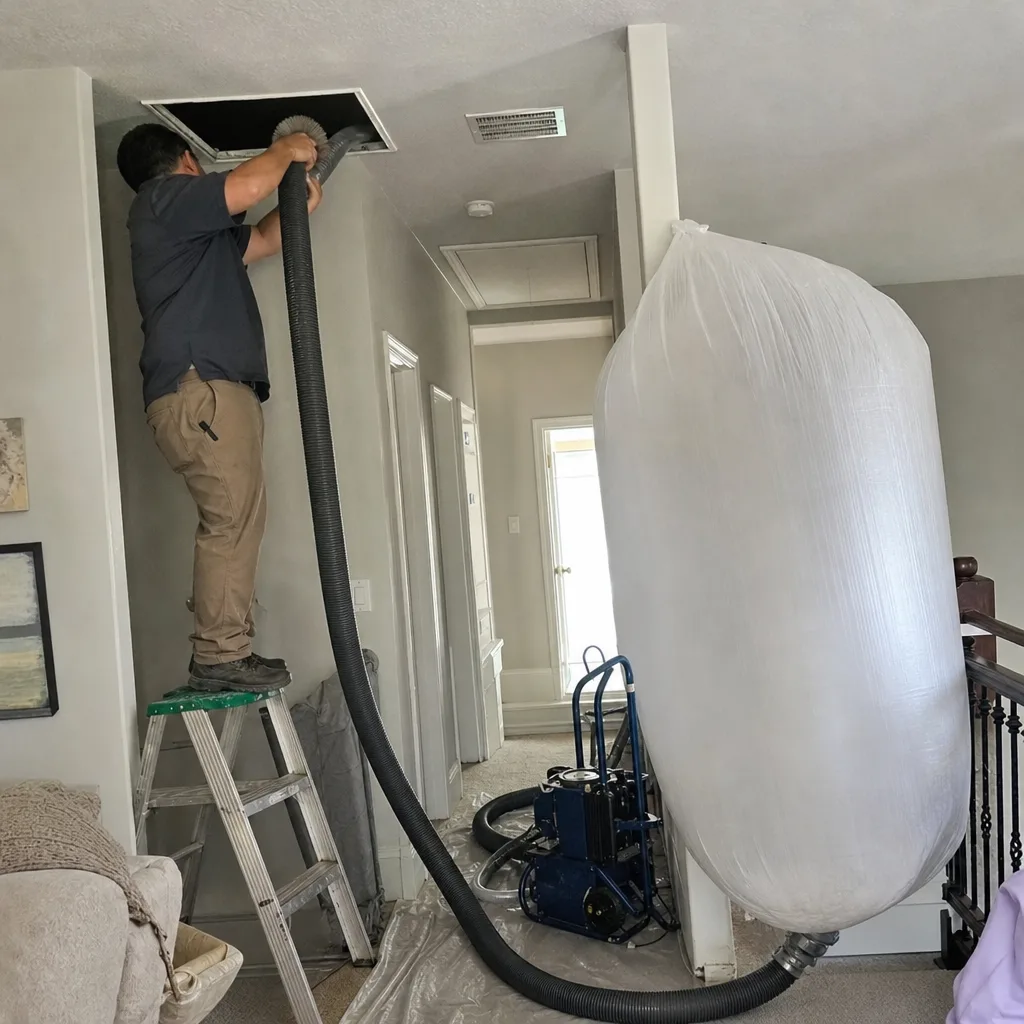
 Whole-home duct cleaning
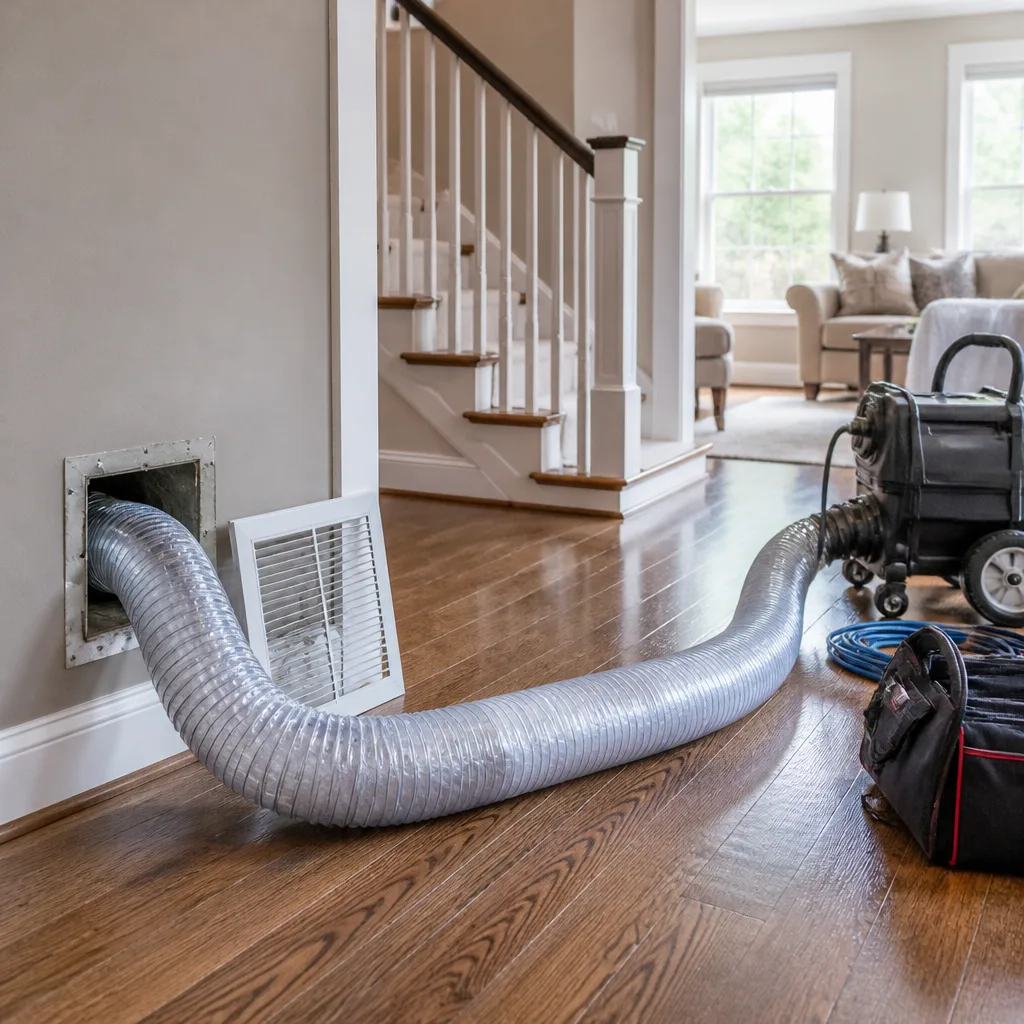
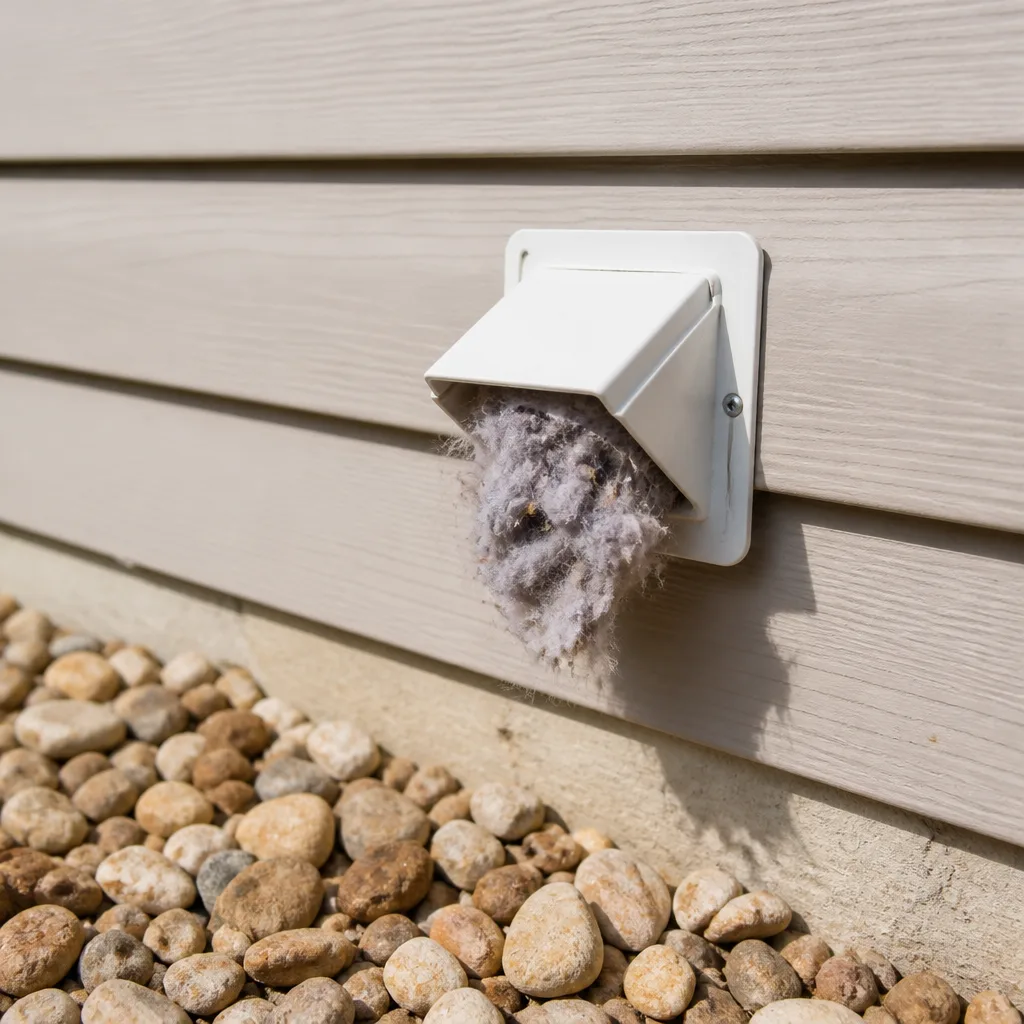 Dryer vent cleaning
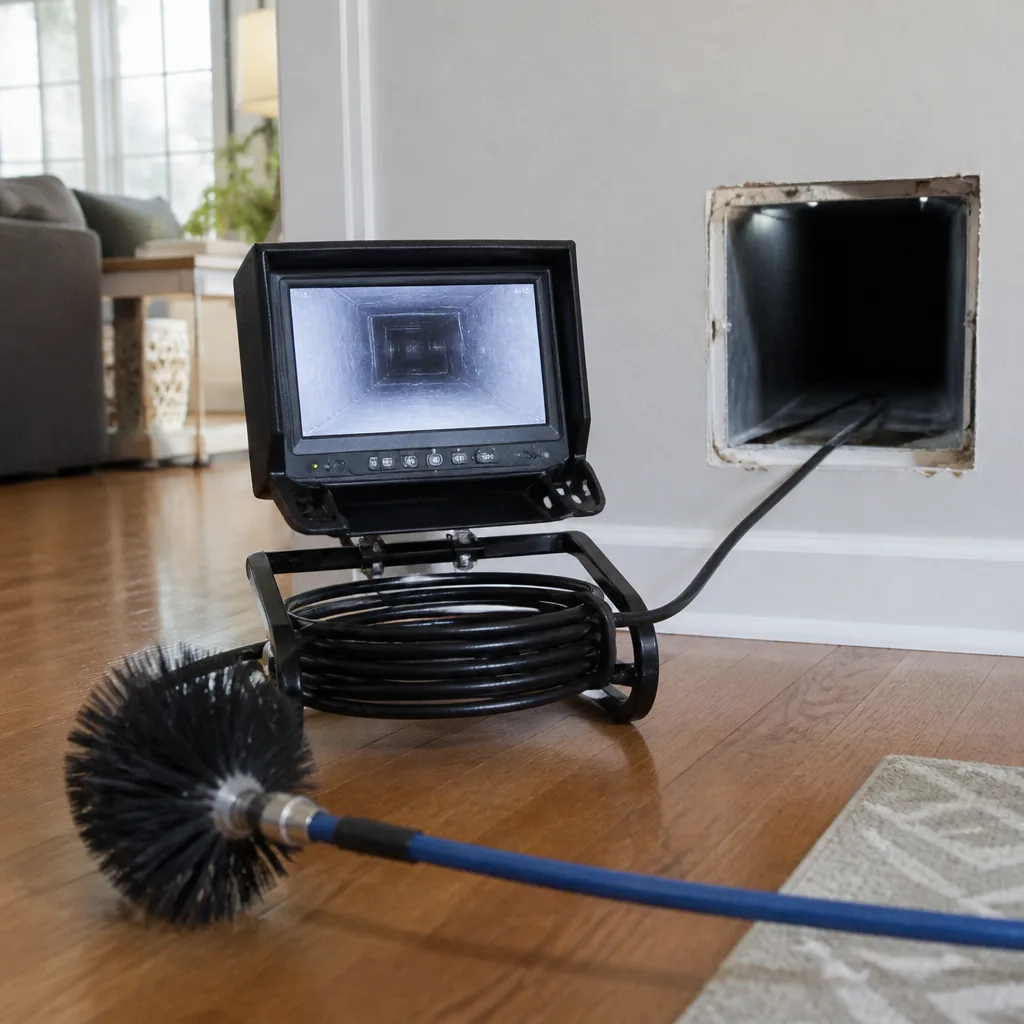 Camera inspection
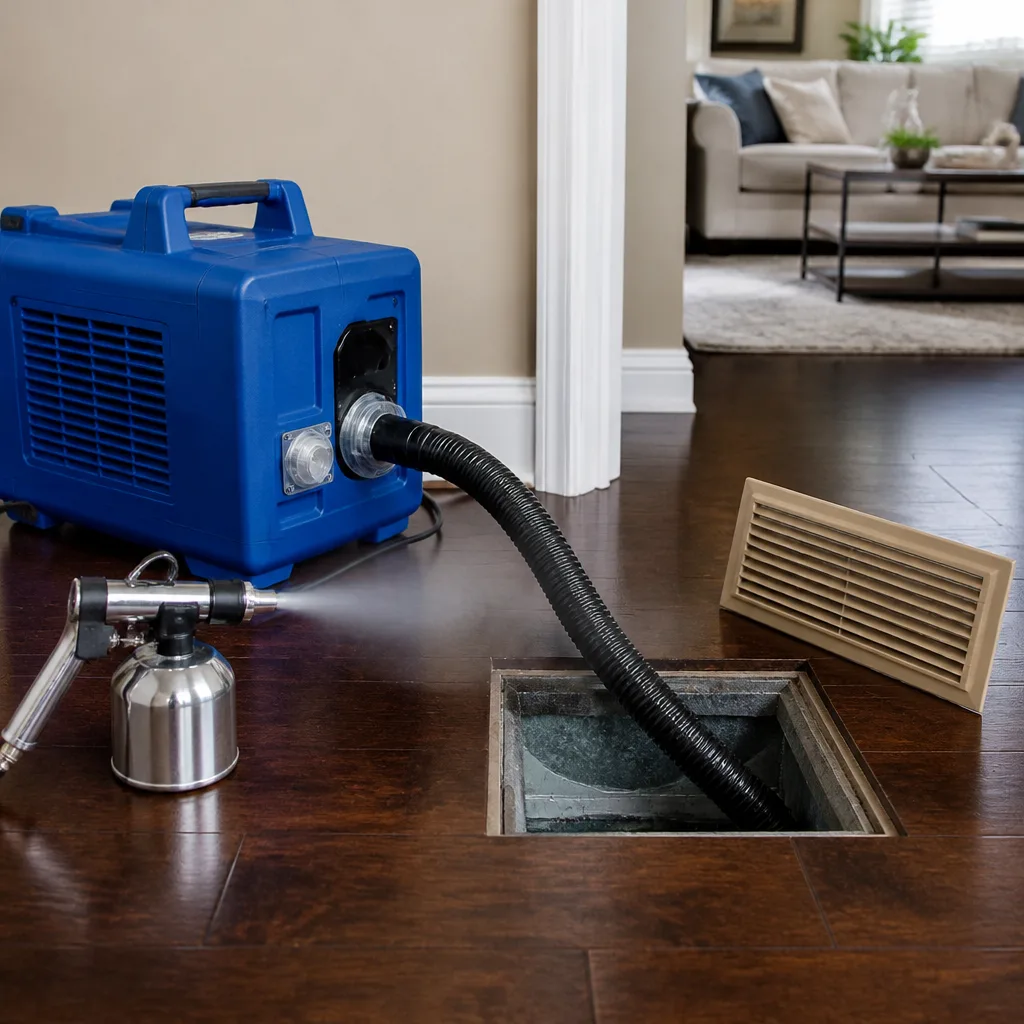 Sanitizing & deodorizing
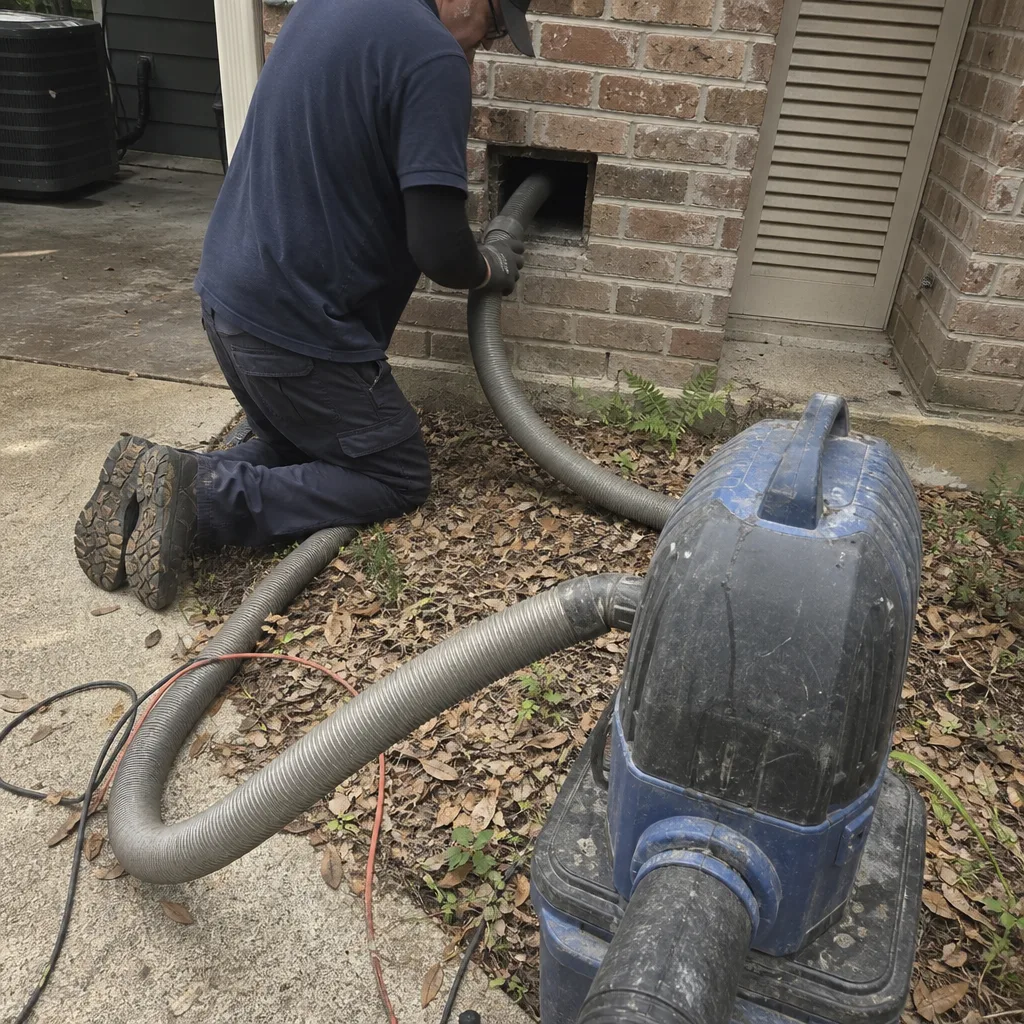
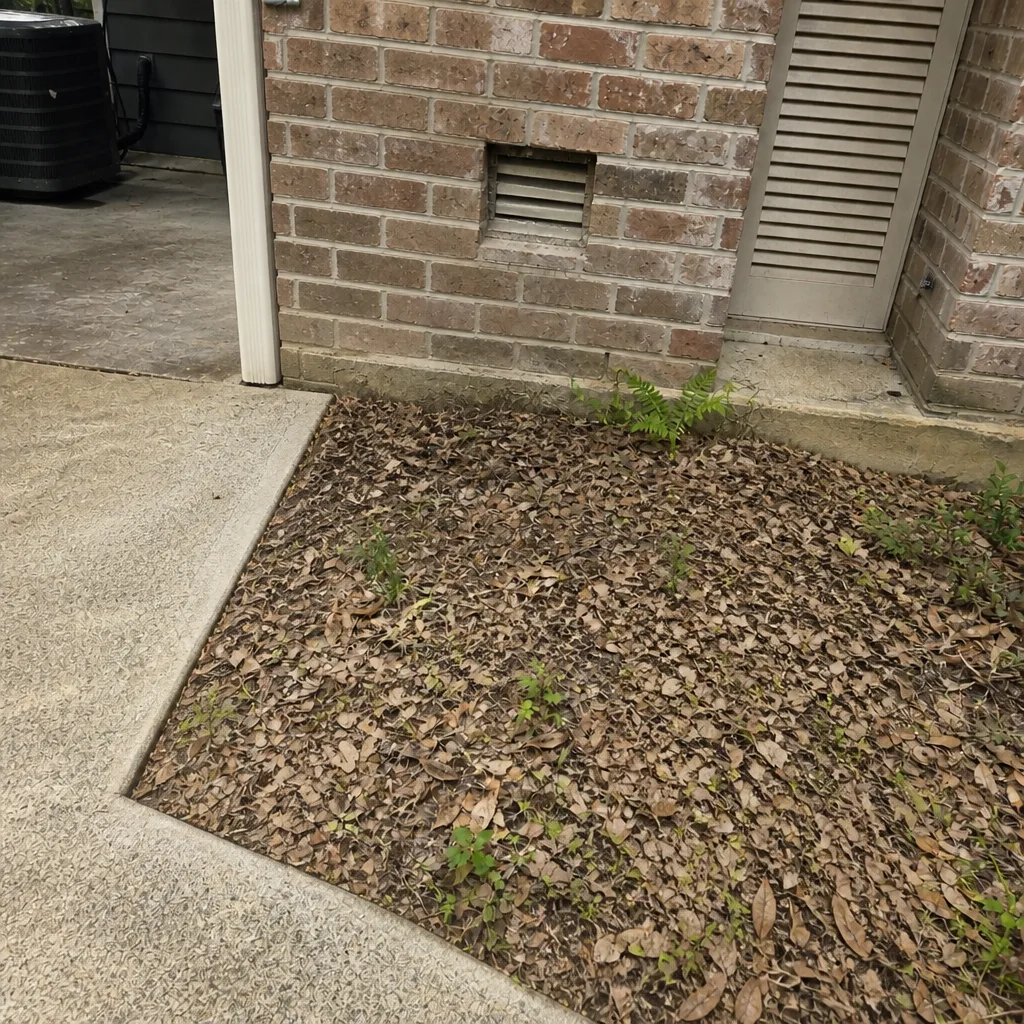
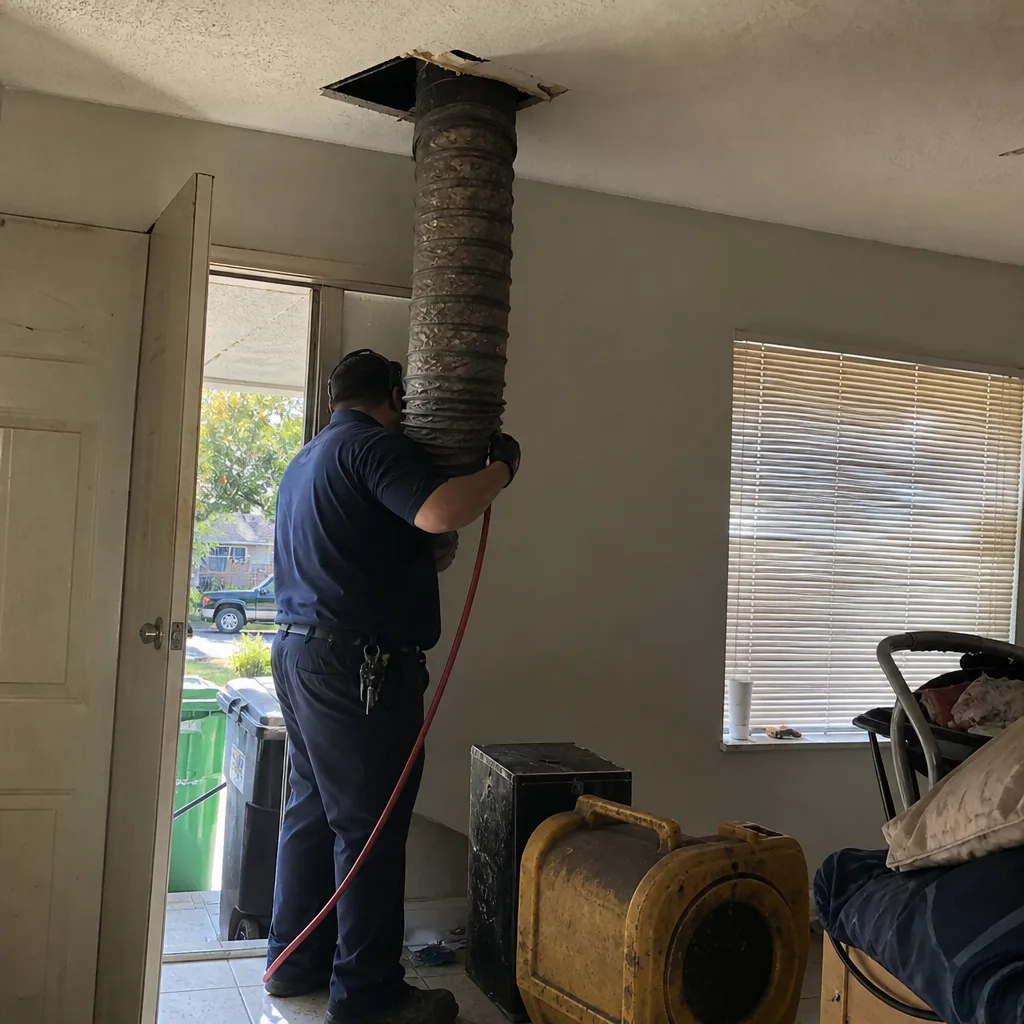
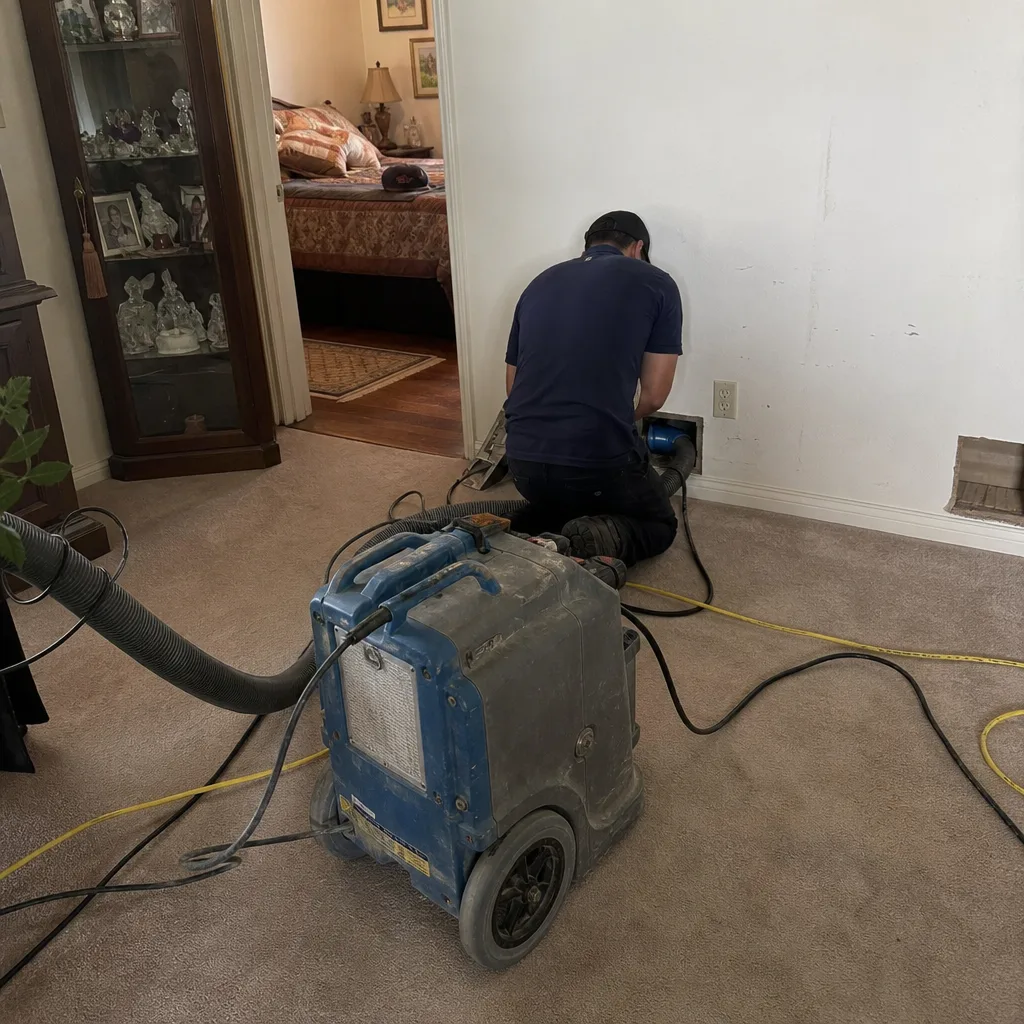
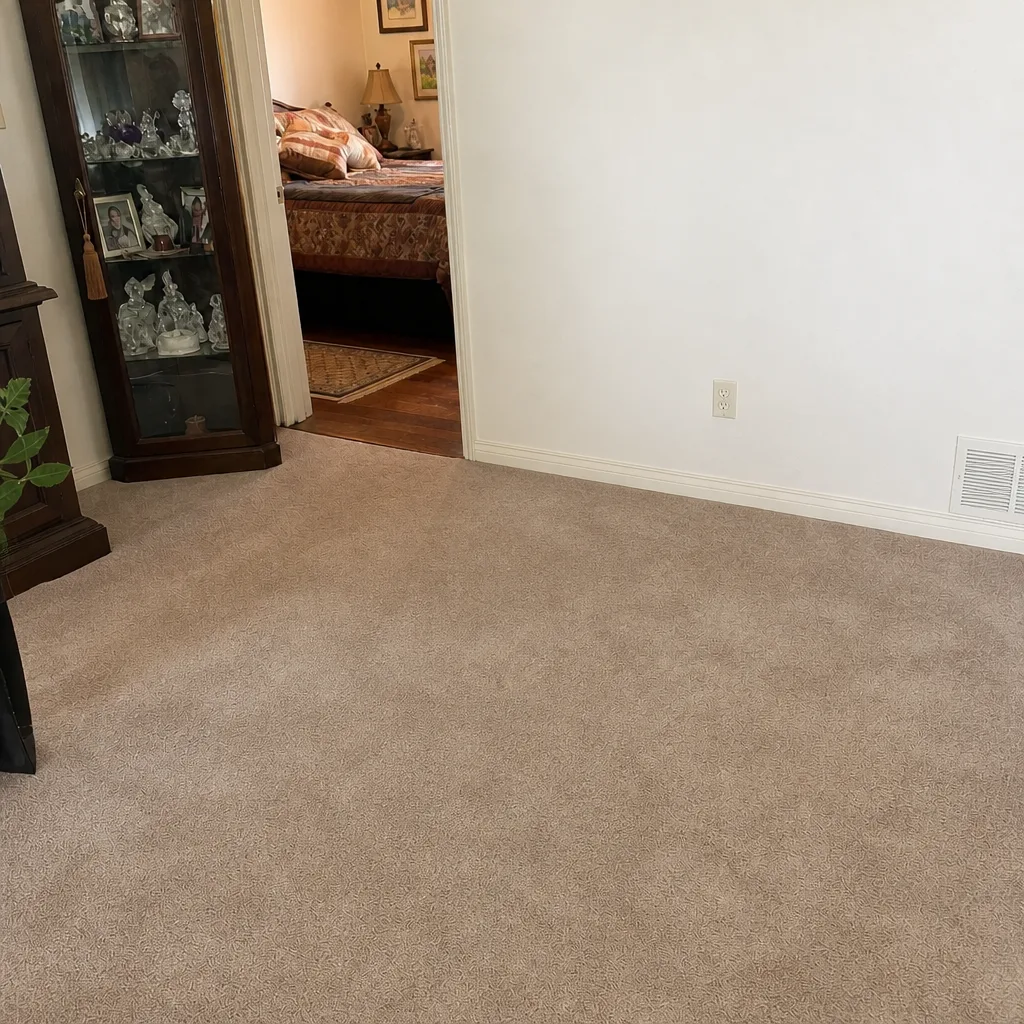
Whole-system duct and dryer vent check with before-and-after photos - you see exactly what came out of your vents
That "$99 whole-house special" is a bait ad - the real number appears once they are in your hallway, or the "clean" is a shop-vac at the register. We photograph the inside of your ducts before and after instead.
Seasonal Air Duct Cleaning Care for Beaumont: Year-Round Homeowner’s Guide
Most seasonal duct care advice is written for a place that has four even seasons, and Beaumont doesn’t. A system that ran almost continuously through a humid August is not in the same condition as one that sat largely idle through a mild northern winter, and treating the two the same way is how homeowners end up cleaning at the wrong time and missing the problems that matter. Beaumont’s HVAC year is shaped by a long cooling season, a short but sharp heating window, and tropical weather that can stress a duct system in a single afternoon. This guide lays out what to check and when, month by month, so you’re working with your house instead of guessing at the calendar.
Quick Answer
In Beaumont, the best time for professional air duct cleaning is late winter into early spring, before the long cooling season starts and while the house is still mild enough to run equipment without fighting the heat. Beyond that anchor point, the system needs a quick homeowner check before cooling season kicks off, a performance review at peak summer demand, an inspection after any tropical storm or hurricane, and a pre-heating look in the brief winter window. Seasonal care here is about run-hours and weather events, not the national spring-and-fall calendar.
Styles & brands we work with
- Whole-home duct cleaning
- Dryer vent cleaning
- Camera inspection
- Sanitizing & deodorizing
Table of Contents
- Why Beaumont’s Duct Calendar Doesn’t Match the National One
- Pre-Cooling Season Tasks: March and April
- Midsummer Performance Indicators
- Post-Hurricane and Post-Tropical-Storm Protocol
- Pre-Heating Season: Beaumont’s Short Winter Window
- When to Schedule Professional Cleaning
- What Professional-Grade Cleaning Actually Involves
- Cleaning and Repair Under One Roof
Why Beaumont’s Duct Calendar Doesn’t Match the National One
National duct cleaning advice tends to say the same thing everywhere: clean in spring and fall. That works for a climate where the heating and cooling seasons are balanced and the system takes a real break. Beaumont doesn’t work that way. The cooling season runs long, which means the air handler, blower, and duct walls see heavy continuous service for months. The heating season is brief and often sharp, not stretched out over a slow autumn. And the third force is weather: tropical systems that bring wind-driven rain, power interruptions, and sudden humidity spikes.
Those three forces each stress a duct system differently. Long cooling seasons load the system with dust, pollen, and moisture that settles on duct walls when the air is moving fast and the indoor humidity is high. The short heating window concentrates a season’s worth of heating dust and any accumulated debris into a few weeks, which is why homeowners sometimes notice a smell the first time the heat runs and then forget about it. And storm events can physically shift, disconnect, or flood ductwork in ways no calendar-based guide accounts for.
What follows is a schedule built around those realities. It won’t ask you to do anything dangerous and it won’t have you pulling apart your own ductwork. It breaks the year into checkpoints a homeowner can actually handle, with clear points where calling a professional is the right move. If you want the broader service picture first, the main Beaumont Duct Cleaning page covers what we do across the full year.
Pre-Cooling Season Tasks: March and April
The weeks before the cooling season takes hold are the most useful working window of the Beaumont year. The system hasn’t yet moved into continuous run-hours, and the house is still comfortable enough that a professional can work without the air conditioner fighting back. Use that window to clear the return air pathways, check for pest infiltration, and get an honest read on the system before summer demand exposes every weakness.
Clear the return air pathways
Return air has to get back to the air handler as easily as supply air leaves it. When returns are restricted, the blower works harder, the system moves less air per hour, and rooms at the far end of the house feel it first. Before cooling season, walk the house and look at every return grille. These are the ones you can check and clear yourself:
- Remove each return grille cover and look at the filter behind it. A clogged filter is the most common cause of restricted return air.
- Check that furniture, rugs, or stored boxes aren’t sitting in front of a return grille and blocking airflow.
- Look at the filter itself for dust load, pet hair, and any sign of moisture or mold. Replace a dirty filter before the season starts.
- Confirm every return in the house is actually open and unobstructed; a closed or blocked return in one room can pull air from the wrong place and starve the rest of the system.
Inspect for winter pest infiltration
Beaumont winters are mild enough that pests don’t die off the way they do in colder climates, and ductwork is a warm, sheltered space. Rodents and insects can find their way into duct runs, especially through gaps in attic duct connections, disconnected joints, or open boots. Before cooling season, look for the telltale signs: droppings near return grilles, chewed material around duct joints in accessible attic space, or an unusual smell when the system first runs. If you see any of it, don’t try to clean a pest-contaminated duct yourself. Call for professional evaluation, because the debris and pathogens need to be captured at the source, which is exactly what remediation-grade equipment is designed to do.
Midsummer Performance Indicators
Peak summer is when duct leakage and blockage announce themselves. During the heaviest cooling demand, every weakness in the system shows up in how the house feels. The good news is that Beaumont homeowners get a clear early warning before the system fails outright. Watch for these indicators during July and August:
- Room-to-room temperature swings. If the bedroom that was fine in May is now several degrees warmer, the system is struggling to move air to the far end of the house. That’s often a duct issue, not a thermostat problem.
- The air handler runs but airflow feels weak. Reduced airflow at the registers while the blower runs is a classic sign of a blocked or leaking duct, not a failing compressor.
- A musty or dusty smell when the system cycles. In a continuously running system, moisture that settled in the ducts during the humid months can become a persistent smell. That points to duct contamination, not just a dirty filter.
- Rising energy bills with no change in habits. Leaking ducts send cooled air into the attic or crawlspace instead of the rooms, so the system runs longer to hold the same temperature.
- Visible dust on surfaces not near the filter. If dust returns to surfaces within a day or two of cleaning, the system is pulling contaminated air through a leak or blowing it back into the rooms.
None of these indicators require you to open ducts or crawl into attic space yourself. They’re observations. If two or more show up at once, that’s the moment to get the system looked at, before a midsummer failure forces a scramble when every other homeowner is also calling. The air duct cleaning service page explains what a professional evaluation covers.
Post-Hurricane and Post-Tropical-Storm Protocol
Tropical weather is a genuine annual stress test for duct systems, and it’s the one seasonal checkpoint that doesn’t follow a calendar. A storm can force water into the system through wind-driven rain, drive debris into exterior vents, or shift and disconnect duct joint work through wind loading and power cycling. The following steps are what a homeowner should do after a tropical event, in order, and where to stop and call a professional:
- Check exterior vents and openings. Look at the intake and exhaust terminations on the outside of the house. If debris, water, or storm damage is present, don’t run the system until a professional has looked at it.
- Check for water intrusion in the duct path. Look for water stains or wet insulation near accessible ductwork, or a musty smell after the storm. Any wet duct material needs evaluation before you run the system.
- Inspect accessible sections for disconnection. If you can safely see a duct joint in an attic or crawlspace from the access point, look for gaps, torn flexible duct, or sections that have shifted. Do not crawl into a damaged attic to check; stop and call if you can’t see it safely from a safe position.
- Run the system only after the above checks are clean. If everything looks dry, intact, and clear, run the system and note whether airflow or smell seems off.
- Call for professional evaluation if any step returns a red flag. Post-storm duct problems often hide behind an intact exterior, and a repair is often needed within days, not months, so moisture doesn’t establish itself in the system.
The reason the bar is high after a storm is that most of the serious damage we see after tropical weather is not the obvious kind. It’s a disconnected joint or a slow water intrusion that a homeowner doesn’t notice until a smell or a performance drop appears weeks later. The Beaumont service area resource has more on how our process handles storm-related evaluations, and our team can talk you through what to check if you’re not sure.
Pre-Heating Season: Beaumont’s Short Winter Window
Beaumont’s heating season is brief, which is exactly why it’s the most underused cleaning window of the year. Homeowners tend to clean right before summer because that’s when cooling demand is on the brain. But the short winter is a genuine opportunity: the house is about to be closed up for weeks of heating, and the first time the heat runs is when any accumulated dust, debris, or contamination announces itself. Pre-heating-season cleaning means you don’t spend those closed-up weeks breathing what’s in the ducts.
The tasks for this window are simpler than cooling season. The system is coming off a long cooling season, so you want to confirm that nothing settled in the ducts over the summer. The most useful pre-heating checklist:
- Replace the filter before the first heating run. A filter that’s been in since spring is carrying a full cooling season’s load.
- Check the air handler compartment and any accessible flexible connections for wear. A joint that held through summer cooling may need attention before heating puts it under new stress.
- Schedule a professional cleaning if it’s been a full cooling season since the last cleaning. Late winter is easier to schedule than peak cooling season, and the work is done before the closed-house heating weeks.
- Note any smell when the heat first runs. If the heat produces a smell, it’s worth having the system evaluated before closed-up heating weeks make it worse.
The window is short, so the best approach is to plan the cleaning before the heating season starts rather than during it. If you want to fold in dryer vent work, which also benefits from a pre-heating check, the dryer vent cleaning page explains what’s involved.
When to Schedule Professional Cleaning
The right way to time a professional cleaning in Beaumont is to count the system’s actual run-hours, not the calendar. A home that runs the air conditioner continuously from May to September has effectively compressed a northern home’s annual duct load into six months. That changes the timing. Here’s the practical rule we use:
- One professional cleaning per year if the system runs continuously through the cooling season. For most Beaumont homes, that means a late-winter or early-spring cleaning ahead of the cooling season.
- An additional evaluation after a tropical storm if any checks returned a red flag, regardless of when the last cleaning happened.
- Anytime you move into a home with an unknown duct history, or after a renovation that produced drywall dust and debris.
- When a homeowner notices two or more midsummer indicators from the section above.
The national spring-and-fall advice still works for a climate with balanced seasons, but Beaumont is heating and cooling for a combined run-hour count that says a single annual cleaning scheduled before the cooling load is the reliable pattern. From there, the storm-driven evaluation is what makes the Beaumont schedule complete.
What Professional-Grade Cleaning Actually Involves
Seasonal timing only helps if the cleaning itself is real. The difference between professional-grade and budget-minimum work is the reason we bring three specific equipment brands to every job, and it’s worth knowing what each one does so you can ask the right questions of any company you hire:
- Rotobrush mechanical brush system. This is a rotary brush that physically agitates the duct wall and lifts buildup off the surface. Air-only methods can move loose dust but tend to leave the material that’s actually adhered to the duct wall, which is the material that turns into a smell and a load on the system later. Rotobrush is the industry-recognized rotary brush system used by certified duct cleaning professionals nationwide, and mechanical brush cleaning is what makes the difference between a duct that’s been wiped down and one that’s been cleaned.
- Abatement Technologies negative-air and containment equipment. This is remediation-grade kit: the same class of negative-air and containment technology used in professional air-quality restoration. It captures contaminants at the source while the cleaning is happening, so debris doesn’t migrate into the living space.
- Nikro professional equipment. Nikro is commercial-grade HVAC and duct cleaning equipment. That signals a professional setup rather than improvised tools, and it’s built for the scale of whole-system work.
- Honeywell and Aprilaire familiarity. Homes with whole-home filtration or humidity control deserve a technician who knows how those systems interact with duct cleaning. We work with Honeywell and Aprilaire systems as part of the job, not around them.
- Guardsman-grade protective products. Guardsman products are part of our process for protecting surfaces during the work.
The question to ask any duct cleaning company is simple: do they bring restoration-grade containment and a mechanical brush system, or do they bring a vacuum and an air hose? A shop vac and a handshake is not the same job, and the equipment is the tell. Our technicians have up to experience, and that experience is what lets them read a system and decide where the work needs to focus.
Cleaning and Repair Under One Roof
Seasonal cleaning sometimes uncovers a bigger problem: a disconnected joint, torn flexible duct, or a leak that’s been quietly driving up energy costs. When that happens, the last thing you want is to be told “we clean, you’ll have to find someone who repairs.” Our three-service capability covers air duct cleaning, dryer vent cleaning, and air duct repair. That means if the midsummer performance check or the post-storm inspection turns up damage, the same company that cleaned the system can repair it. The scope of what we do is the full duct system, not one task in isolation.
The reason that matters for a seasonal guide is timing. A duct that fails in the middle of the cooling season is a problem you want fixed without waiting on a second contractor. The repair capability is how we close the loop on the seasonal checkpoints above, and it’s why the pre-cooling and storm-protocol sections end with “call for evaluation” rather than “call for cleaning.” If you want the full picture, the team can explain what our repair scope covers.
Common Mistakes to Avoid
- Following the national spring-and-fall cleaning calendar. Beaumont’s cooling season is long enough that a single spring cleaning timed to the cooling load is far more useful than a generic spring-and-fall schedule. Clean for run-hours, not labels.
- Skipping the pre-cooling inspection because “it’s just dust.” The pre-cooling window is when pest infiltration and disconnected joints are easiest to catch before they’re compounded by a full cooling season of continuous service. A quick look now saves a bad surprise in August.
- Ignoring the musty smell at midseason. A persistent smell when the system cycles is a duct condition, not a filter problem. Replacing the filter won’t fix it.
- Running the system immediately after a tropical storm without checking first. Water intrusion and disconnection can hide behind an intact exterior. Do the storm checklist before you run the system, and call for evaluation if any step looks off.
- Treating the short winter as “no cleaning needed.” The pre-heating window is the most underused opportunity of the year. Cleaning before the closed-up heating weeks is when you actually clear the system ahead of the time it’s about to be sealed up.
- Hiring on price alone. A quote that doesn’t come with professional equipment and containment is not a cheaper version of the same job; it’s a different job. Ask what equipment the company brings.
- Assuming a cleaning company can also fix damage. Plenty of cleaners aren’t repair-capable. Confirm the company handles both, so a midseason repair doesn’t strand you.
See the difference
 Before
 After
 Before
 After
 Before
 After
When to Call a Professional
Call for professional evaluation, not a self-check, in specific situations. If any check in this guide returns a red flag, if two or more midsummer performance indicators show up at once, if you suspect pest infiltration, if a storm produced visible water intrusion or an obvious duct disconnection, or if the first heating run produces a smell that doesn’t clear, pick up the phone. If you’re not sure whether a condition meets the bar, that uncertainty is itself a reason to ask a trained technician. Beaumont Duct Cleaning offers free estimates in Beaumont, so an evaluation doesn’t obligate you to anything; call (866) 935-2761 and we’ll walk through the checklist with you, and you’ll get a written estimate before any work starts. We answer 24/7, with fast dispatch from 7am to 7pm.
Frequently Asked Questions
For most Beaumont homes, one professional cleaning per year is the right pattern, scheduled before the cooling season. The reason is run-hours: a system that runs continuously through the long cooling season accumulates a year’s worth of duct load faster than a national-calendar home. Add a post-storm evaluation if any of the storm checklist steps return a red flag, and call (866) 935-2761 for an exact schedule recommendation.
Late winter into early spring is the best window, before the cooling season starts. The system is still comfortable to work on, and the cleaning is done before the heavy cooling load begins. The second-best window is the brief pre-heating period, which avoids the closed-up heating weeks.
Yes, if any of the storm-protocol checks look off, or if you’re unsure. Most serious post-storm duct problems hide behind an intact exterior: a disconnected joint or slow water intrusion won’t be obvious until weeks later. If you’re unsure, the safe move is a professional evaluation before running the system. Call (866) 935-2761 to schedule one.
Room-to-room temperature swings, weak airflow at the registers while the blower runs, a musty smell when the system cycles, and rising energy bills with no change in habits are the classic duct-side indicators, especially when two or more show up together. An evaluation can separate a duct issue from an equipment issue; call (866) 935-2761 for a free estimate.
Because it often skips the equipment that actually removes buildup. Air-only methods can move loose dust but leave the material adhered to the duct wall. We use Rotobrush mechanical brush cleaning alongside Abatement Technologies negative-air containment and Nikro professional equipment so the job is done to a professional standard, and we’ll walk you through the process on the phone.
Yes. Dryer vent cleaning is one of our three services, and it’s a natural fit alongside a pre-cooling or pre-heating duct check. A clogged dryer vent is a safety concern independent of the seasonal duct calendar, and it’s worth doing at the same visit if the timing lines up. Call (866) 935-2761 for a free estimate.
The Bottom Line
Beaumont doesn’t need a generic spring-and-fall duct calendar; it needs a schedule built around the long cooling season, the short heating window, and the storms in between. Clean before cooling season, check for performance problems at midsummer, evaluate after any tropical weather event, and use the short winter as your pre-heating cleaning window. Get the equipment question right, mechanical brush cleaning with restoration-grade containment, and make sure the company you hire can also repair the system if the seasonal checks uncover damage. That’s the whole guide in one sentence: work with the year Beaumont actually has, not the one on the national calendar.
Whether you’re ready to book a cleaning or just want to talk through what your system needs this season, call (866) 935-2761 for a free estimate. We answer 24/7, with fast dispatch from 7am to 7pm, Sunday through Friday.
Written by the team at Beaumont Duct Cleaning.