
Last updated November 16, 2026
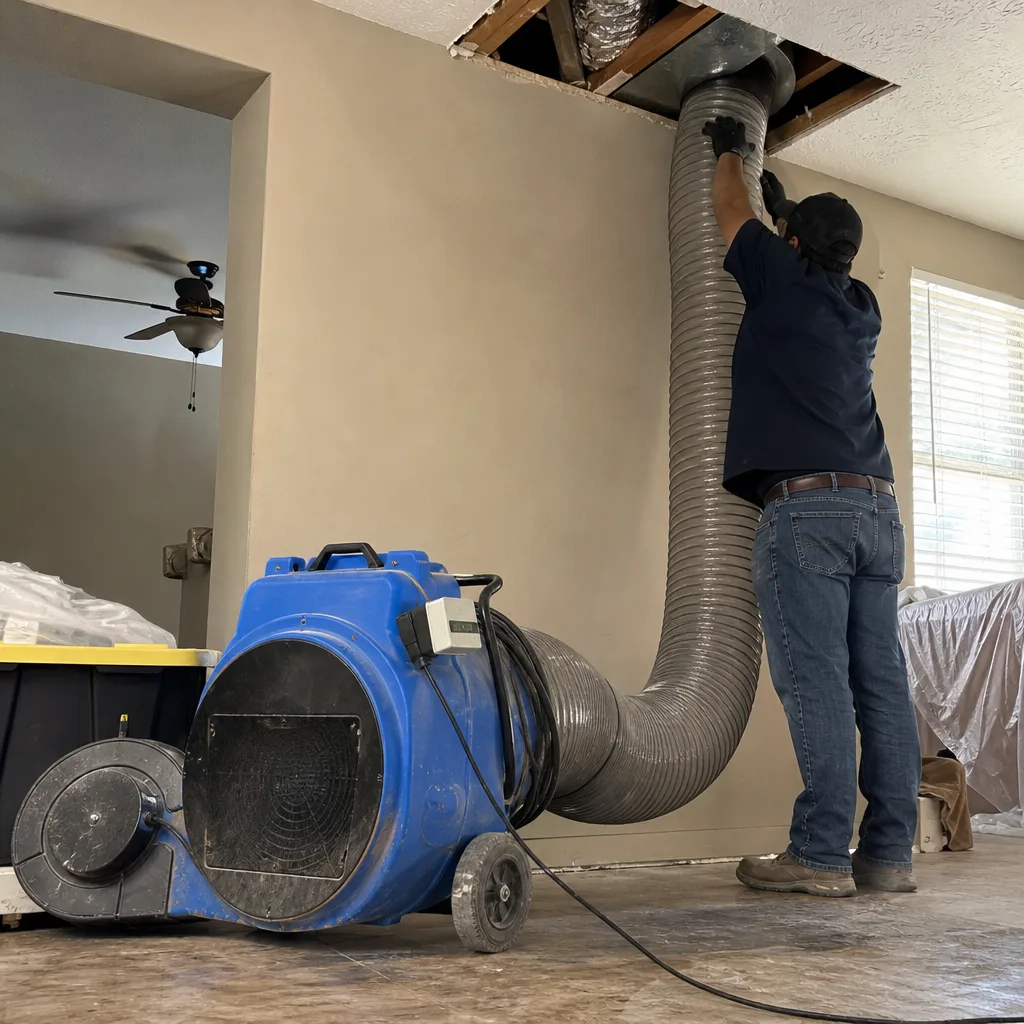
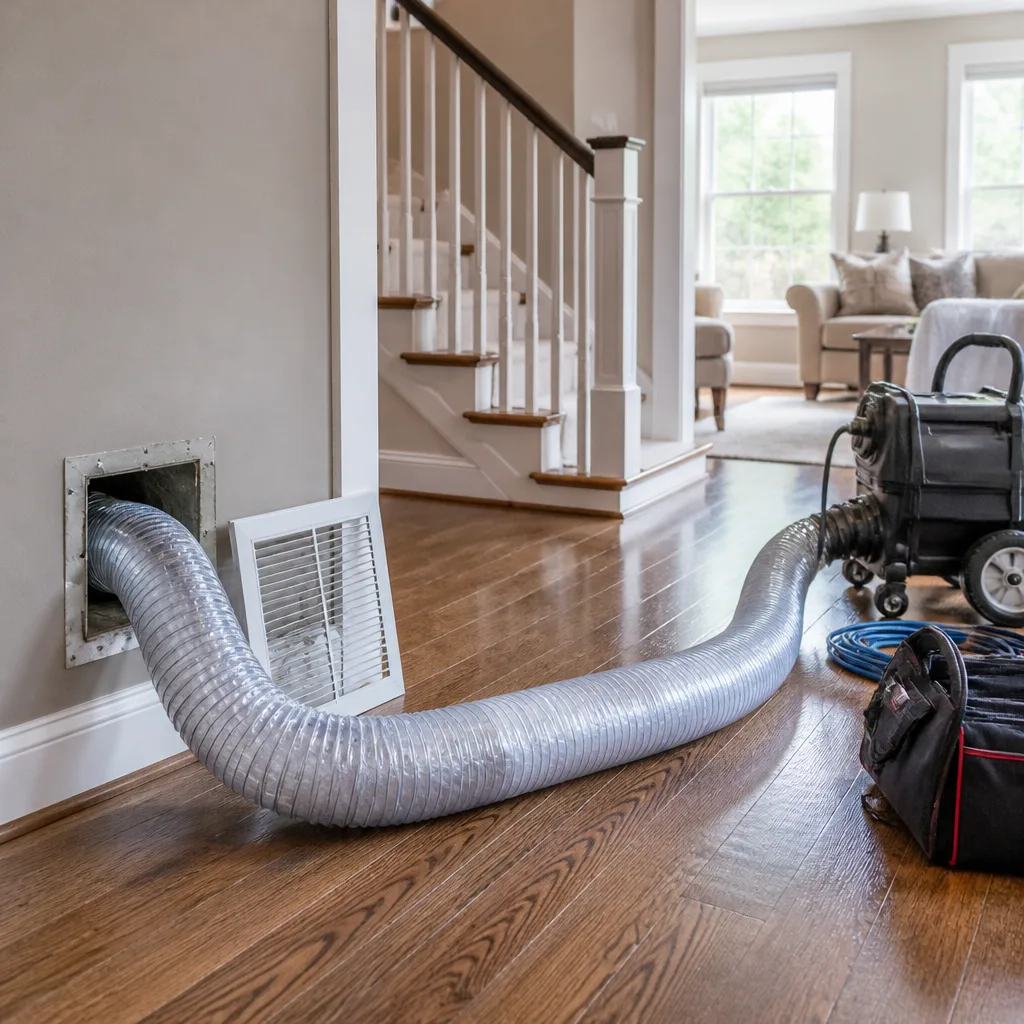 Whole-home duct cleaning
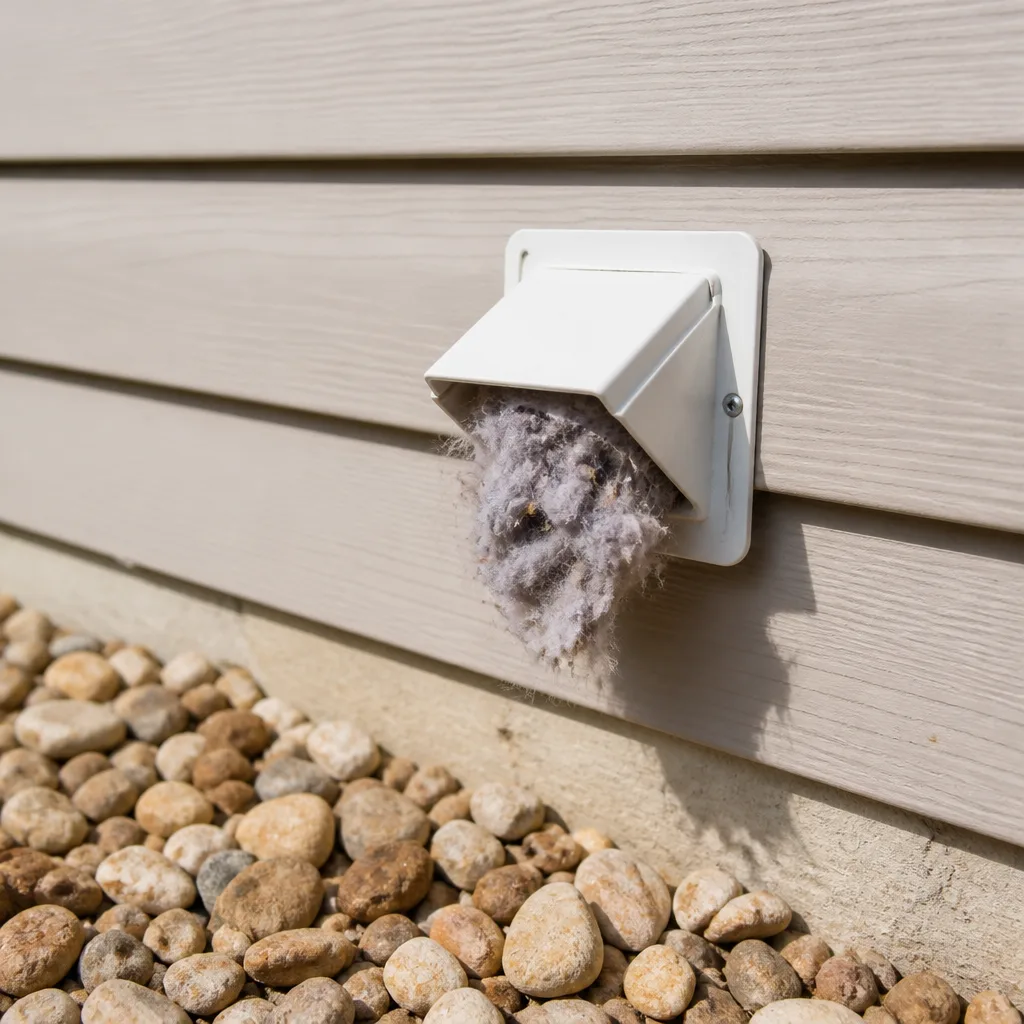 Dryer vent cleaning
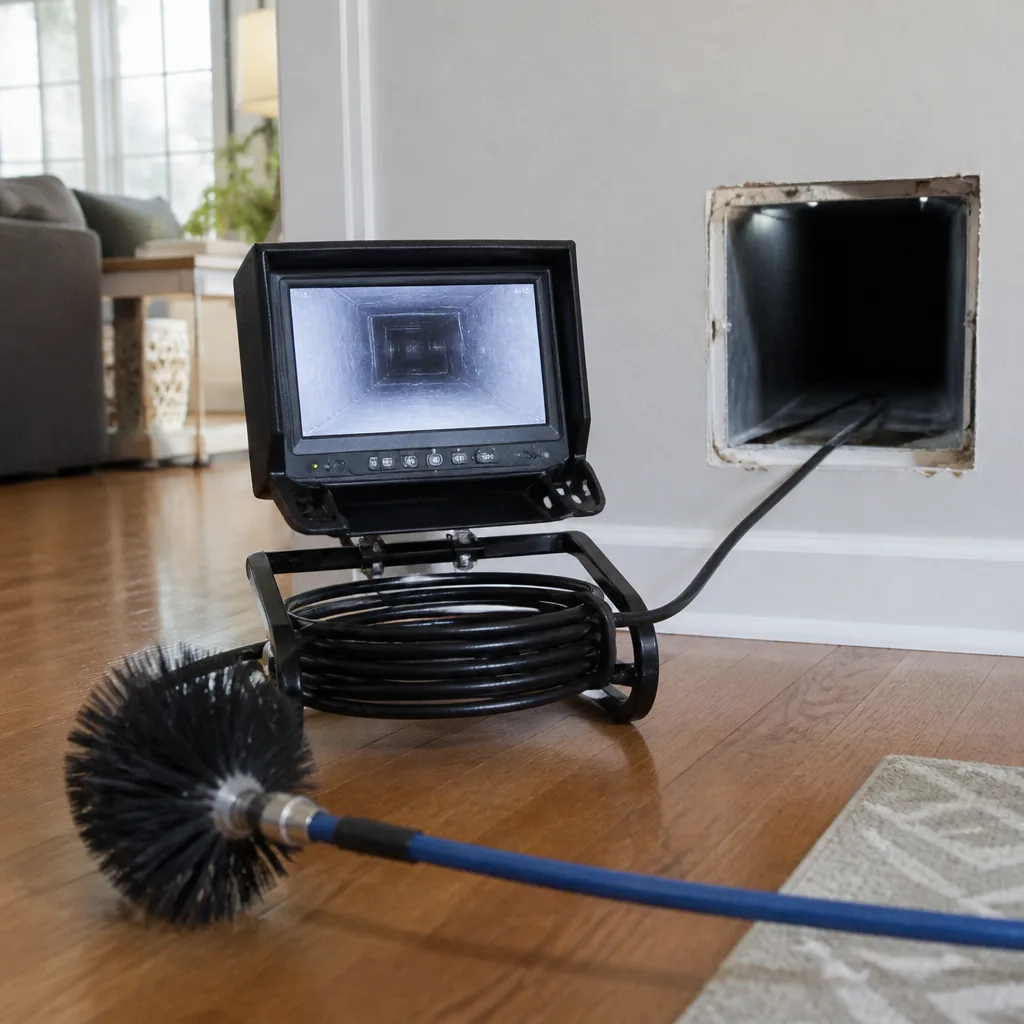 Camera inspection
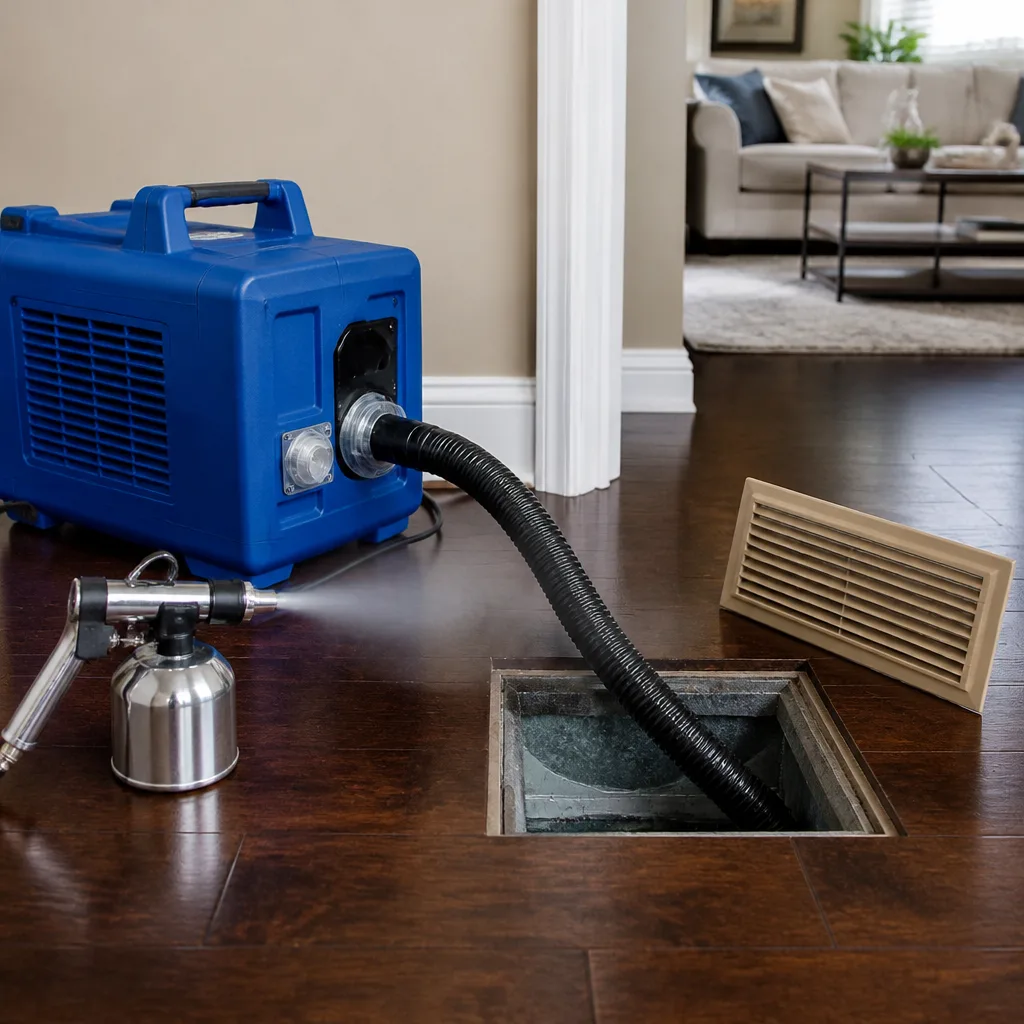 Sanitizing & deodorizing
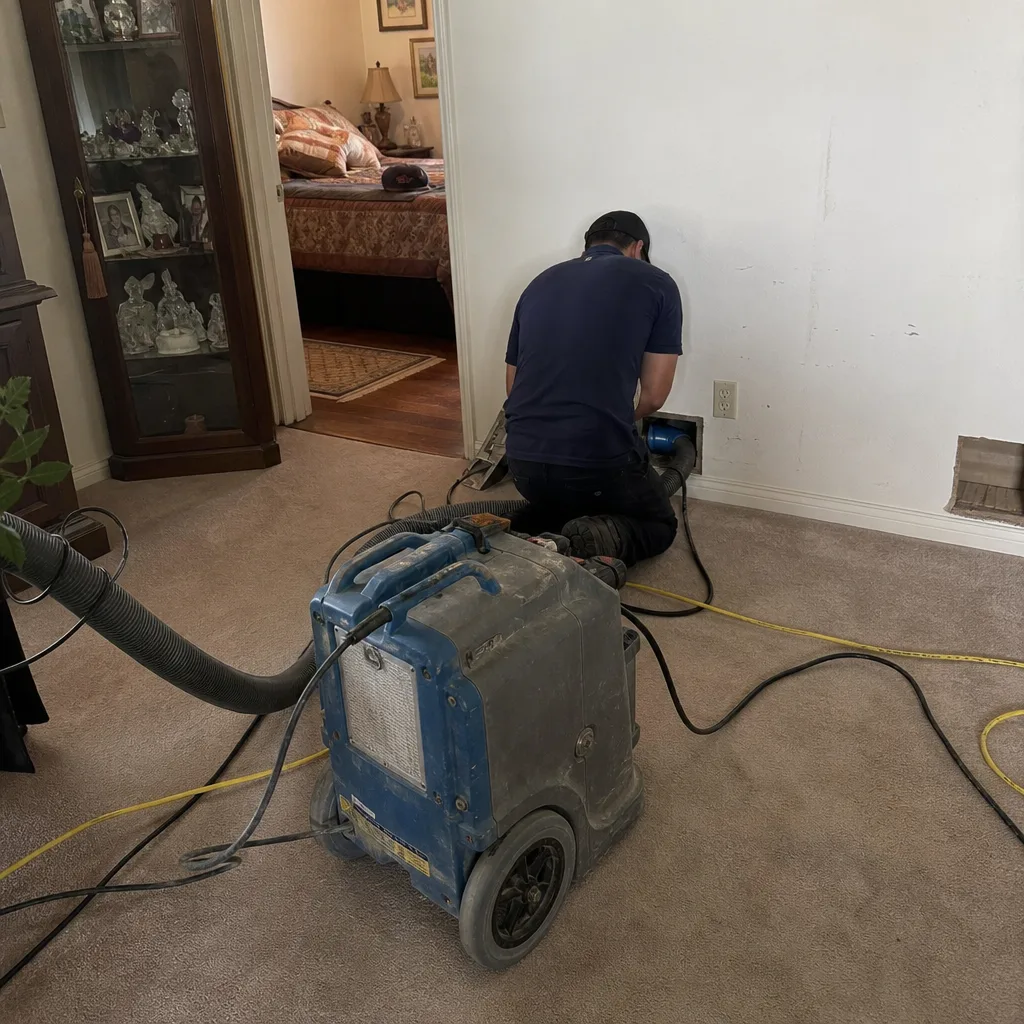
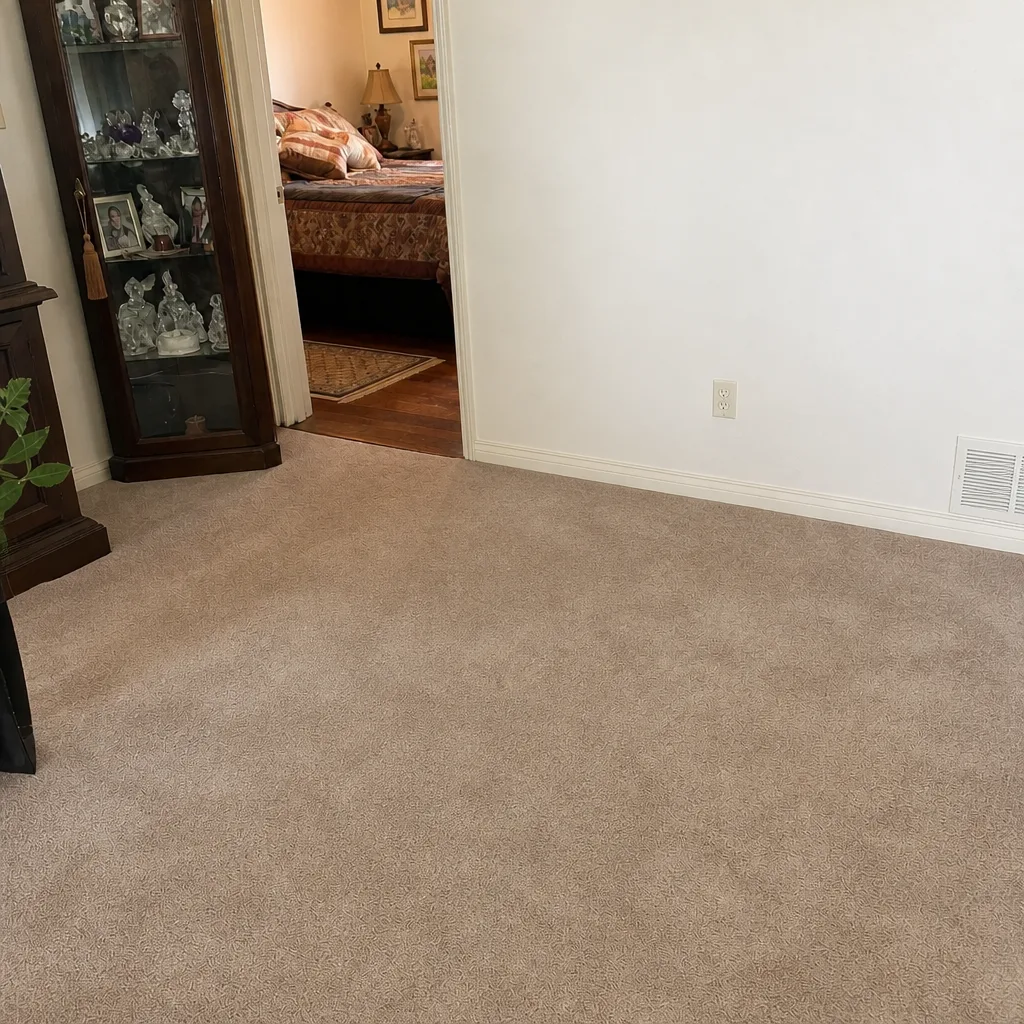
Whole-system duct and dryer vent check with before-and-after photos - you see exactly what came out of your vents
That "$99 whole-house special" is a bait ad - the real number appears once they are in your hallway, or the "clean" is a shop-vac at the register. We photograph the inside of your ducts before and after instead.
Air Duct Cleaning Warning Signs: A Beaumont Homeowner’s Reference Guide
Visible dust on a register is the last thing to appear, not the first. By the time you can see a gray film across the vent face in a Beaumont hallway, the inside of that duct run has usually been collecting debris for months or longer, and the visible dust is just the excess finally spilling out where you look. The quieter signals matter more: a smell that shows up only when the system starts, one room that never quite cools, a bill that creeps up without an obvious cause. This guide walks through the warning signs worth taking seriously, how to tell a cosmetic problem from a contamination problem, and when a call makes sense. Our technicians have up to 14 years of experience reading exactly these patterns across Beaumont homes.
Quick Answer
The main warning signs that air ducts need attention in a Beaumont home are a musty or stale odor from the vents, uneven cooling between rooms, dust that returns soon after cleaning, allergy symptoms that flare indoors but not outdoors, and energy bills that climb without a change in habits. Visible register dust, damaged or disconnected duct sections, and pest activity in the ductwork are later-stage indicators. Odor and uneven cooling usually warrant an inspection first; visible damage and leaks warrant a repair evaluation.
Styles & brands we work with
- Whole-home duct cleaning
- Dryer vent cleaning
- Camera inspection
- Sanitizing & deodorizing
Table of Contents
- Visible Register Dust vs. Hidden Buildup
- Musty or Stale Odor: The Microbial Signal
- Uneven Room Cooling and Heating
- Post-Renovation Debris Contamination
- Allergy Symptoms That Worsen Indoors
- Energy Bills That Climb in Summer
- Damaged, Disconnected, or Leaking Ducts
- How to Rank Urgency: A Step-by-Step Check
Visible Register Dust vs. Hidden Buildup
Dust on a return grille is the easiest sign to spot and the easiest to misread. When you see a soft gray coating on the slats of a supply register in a Beaumont bedroom, you’re looking at the end of a longer process. Air moving through the duct system carries fine particles, and those particles settle on the interior walls over time. The register face is the last place the air touches before it enters the room, so it’s usually the last surface to show accumulation.
That means the visible layer is a lagging indicator. Two houses can show the same faint film on the grilles and have very different amounts of material inside the trunk lines and branch runs. The only way to know which one you’re living in is to look inside the ductwork, not at the vent cover.
To separate cosmetic surface dust from something more, look at three things:
- How fast it returns. If you wipe the grilles and the film is back within weeks, the source is upstream, not in the room.
- Where it appears. Dust concentrated on return grilles (the ones pulling air in) points to the system itself. Dust spread evenly on furniture and shelves is more likely a household housekeeping issue.
- What it feels like. Dry, powdery film is normal accumulation. Gritty or sandy texture suggests debris from a construction project or an open return.
If you want to see what a professional inspection looks like on the inside, our overview of air duct cleaning covers what gets checked and how the interior of the system is accessed.
Musty or Stale Odor: The Microbial Signal
An odor from the vents is a different problem from dust, and it deserves a different response. Where dust is physical accumulation, a musty or stale smell usually points to moisture, microbial growth, or organic material decaying somewhere in the system. In a mild, humid climate like Beaumont’s, that distinction matters. Warm air holds moisture, and any surface that stays damp long enough can support growth that a vacuum alone can’t resolve.
Homeowners sometimes treat odor as a housekeeping problem and clean the vents. The smell comes back on the next cooling cycle because the source is inside the ductwork, not on the grille. Acting on the smell early is cheaper than waiting.
Here’s how to read the odor signal:
- Note when it appears. A smell that shows up only in the first minute after the system starts usually points to material sitting in the ducts or on the air handler coil. A constant smell suggests a source elsewhere, such as a damp crawlspace.
- Describe it precisely. Musty, earthy, or damp is one category. Sharp, chemical, or burning is another entirely and should prompt a technician call immediately. The full run of possible smells doesn’t fit here, but anyone describing a burning odor should call us or an HVAC contractor before running the system again.
- Check for recent moisture events. A roof leak, a plumbing drip, or a humid spell that pushed indoor humidity high can seed the problem. If you know of one, mention it when you call.
Abatement Technologies equipment is built for exactly this kind of work: negative-air containment and filtration that captures contaminants at the source instead of pushing them into the room. That matters more for odor and microbial problems than for routine dust.
Uneven Room Cooling and Heating
A second-floor bedroom in Beaumont that never gets as cool as the downstairs living room is one of the most common complaints we hear, and it has more than one possible cause. Duct condition is only one of them. Before you assume the ducts need cleaning, understand what’s actually being tested.
Uneven cooling can come from:
- Duct leakage or disconnection. Air escapes before reaching the room. A branch run that’s come apart at a joint or a section that’s torn loses conditioned air into the attic or wall cavity.
- Undersized returns. The system can’t pull enough air back, so certain rooms get starved. This is a design issue, not a cleaning issue.
- Blocked or crushed flex duct. A duct that’s been pinched behind drywall or stepped on in the attic restricts flow.
- Refrigerant charge or sizing problems. If the whole house is warmer than the thermostat setting, the cause is in the equipment, not the ducts.
The practical test: if one or two rooms are consistently off while others are comfortable, the problem is distribution. That points to the ducts. If the entire house runs warm, the equipment is the more likely culprit and a duct cleaning won’t fix it.
We clean and we can repair, which matters here. A crushed or disconnected run needs repair before cleaning can do any good. If your uneven-room problem turns out to be damage rather than accumulation, that’s part of the job, not a second contractor’s problem. For broader context on how these issues read in our market, our Beaumont service page outlines the local picture.
Post-Renovation Debris Contamination
Renovation debris is a category of its own. Drywall dust, sawdust, insulation fibers, and small construction fragments don’t behave like normal household dust. They’re heavier, they settle faster, and they can clog filters and coat coils in ways that ordinary accumulation doesn’t. When a Beaumont home has just had a kitchen remodel, a room addition, or a major floor replacement, the duct system is a likely recipient of everything the saws and sanders threw into the air.
Post-renovation contamination also carries a different urgency than long-term buildup. Routine accumulation is a slow problem that can wait a few weeks. Debris from active construction is a faster problem because the particles are sharp, abrasive, and often in larger volume. If the renovation involved drywall work, that dust can travel through the return system into every room the ducts serve, including rooms that weren’t part of the project.
A few signs the ducts caught the renovation:
- Filters clog within days of being replaced. Drywall dust loads filters faster than normal dust. If you’re swapping filters weekly during or right after construction, the return is pulling debris.
- Visible debris on the register face. White or gray powder on the grilles after sanding work, rather than the usual gray film, is the direct sign.
- Airflow drop after the project wrapped. If rooms that were comfortable before the renovation now feel starved, the return or branches are likely carrying material that wasn’t there before.
Rotobrush mechanical brush cleaning is the process that makes sense for this kind of problem. A rotary brush physically agitates and lifts material off the duct walls, which air-washing alone can’t do. Loose drywall dust sitting on a duct wall will respond to airflow; caked particles require mechanical contact.
Allergy Symptoms That Worsen Indoors
If your allergy symptoms are worse inside your home than outside, that’s a signal worth investigating with the HVAC system in mind. Many people assume the outdoor environment is the primary trigger. In practice, indoor symptoms that follow a pattern tied to the house itself, worse in certain rooms, worse when the system runs, worse after the house has been closed up, point at the indoor air supply.
Ductwork that has collected debris, dust, or microbial growth becomes a distribution network for whatever it’s holding. Every cooling cycle moves air through that material and into the rooms. The result is a home that feels worse to breathe in than the yard does, even in Beaumont’s humid season when outdoor mold counts are high.
This is where whole-home air quality products come into the picture. Honeywell and Aprilaire filtration and air-quality systems can be integrated with existing ductwork, and their performance depends on clean ducts behind them. A high-efficiency filter placed on a contaminated return is doing half its job. Any duct cleaning should be sequenced with the filter and air-quality equipment in mind, not done separately from it.
We don’t make medical claims and we don’t diagnose allergies. What we can say, from the work itself, is that duct material is a real variable in indoor air, and that when a homeowner tells us their symptoms track with the house, the duct system deserves a look before assuming nothing can be done. If you’ve never had the system inspected, a professional evaluation is the right starting point.
Energy Bills That Climb in Summer
A higher-than-expected electricity bill in a Beaumont summer is a weak signal on its own. It becomes a useful signal when it pairs with something else: a room that doesn’t stay cool, a system that runs longer than it used to, a house that never quite feels like the thermostat setting. Put those together and the duct system is one of the first places to look.
Duct leakage is the clearest connection. If a joint has separated, a flex run has torn, or a boot has come loose at a floor register, conditioned air leaves before it reaches the room. The system runs longer to compensate, and the meter reflects the extra runtime. You’re paying to cool attic air or wall cavity air.
Leakage isn’t a cleaning problem and cleaning isn’t a leakage fix. A cleaning removes what’s accumulated; a repair closes the gap. The order matters. If a duct is leaking, cleaning it first and repairing it after wastes half the effort because the leak will re-introduce attic dust into the cleaned system. This is one of the reasons we treat duct repair as its own service rather than an afterthought added onto a cleaning job.
Guard against reading too much into the bill alone. Rising rates, hotter-than-normal weeks, an aging compressor, a thermostat placed where it gets direct sun, all move the bill without any duct involvement. The bill is the start of the conversation, not the conclusion. When a homeowner calls with a climbing bill and uneven cooling together, that combination is when the inspection pays off.
Damaged, Disconnected, or Leaking Ducts
Physical duct damage is the sign that jumps ahead in priority. Where odor and uneven cooling call for an inspection, actively damaged ductwork calls for repair. A disconnected joint, a torn flex run, a crushed section, or a boot pulled away from a register is a leak, and a leak lets unconditioned air in as efficiently as it lets conditioned air out.
Some damage is visible from the register. A boot that’s separated from the floor or ceiling opening leaves a gap you can see with a flashlight. Duct tape that’s peeling off a joint is another visible signal. Most of what happens further up the line requires an inspection to find.
Pest activity falls in this category too. Rodents and insects can enter duct runs through gaps at the exterior or through the attic. Their presence isn’t a cleaning issue first; it’s a repair issue, because whatever they used to get in needs to be closed before any cleaning will hold. If you hear scratching or find droppings near a register, call before running the system.
A few other signs that point at damage rather than accumulation:
- Air blowing from a gap at the base of a floor register. The boot has likely pulled away.
- Whistling or hissing at a grille. Often a sign of a restriction or a leak at a nearby joint.
- Uneven temperatures along a single room’s floor. The run serving that room may be crushed underfooting.
Duct repair and cleaning are separate skills, and hiring one company that handles both means you’re not bringing in a second contractor when an inspection turns up damage. That’s part of why we treat all three of our services, cleaning, repair, and dryer vent cleaning, as one call rather than three.
How to Rank Urgency: A Step-by-Step Check
Not every warning sign needs action this week. A simple walk-through helps you sort the list into “watch,” “schedule,” and “call now.”
- Walk every room and note the register faces. Look for film, powder, debris, and gaps. A flashlight works better than daylight alone.
- Run the system and smell each room. A musty or damp odor in the first minute after startup moves the job up in priority. A burning or chemical smell means stop and call.
- Check temperature evenness with a simple thermometer. A consistent difference of several degrees between rooms is the distribution signal.
- Swap the filter and note how fast it loads. Rapid loading after a renovation or with a pattern of seasonal spikes points at the return.
- Review the last two energy bills against last year’s. If both are higher with the same usage pattern and the weather was similar, look at the cooling system’s runtime.
- Look for gap evidence at floor and ceiling registers. Peeling tape, a visible gap at a boot, or air moving sideways from a joist all point at repair.
Rank what you find:
- Call now: burning smell, visible pest activity, actively disconnected duct, allergy or respiratory flare-ups that track with the house.
- Schedule: persistent odor, uneven cooling, rapid filter loading, debris from a recent renovation.
- Watch: visible film on registers with no other symptom, occasional minor dust return.
For those in the “schedule” bucket, professional equipment matters more than the price of the job. Restoration-grade tools like the Abatement Technologies setup we use and the mechanical action of a Rotobrush system produce a different result than a shop vac and a handshake. If you’d like a broader picture of how we work, our main page at Beaumont Duct Cleaning covers our approach and equipment.
Common Mistakes to Avoid
- Wiping the grilles and calling it done. The visible dust on a register is surface-level, and a wiped grille doesn’t touch what’s inside the duct. Cleaning the face of the vent can actually hide a signal you’d otherwise have noticed.
- Assuming a single symptom means a single cause. Uneven cooling in a Beaumont home might mean duct leakage, but it might mean refrigerant charge. Treating every comfort complaint as a duct problem wastes money and misses the real issue.
- Running the system during renovation without protecting the return. Sealing the return during drywall and sanding work is a small step that saves a lot of cleaning later. If the renovation happened without that protection, the ducts likely swallowed the dust.
- Cleaning ducts before repairing leaks. If a duct is torn or disconnected, cleaning it first just re-introduces outside air and debris into a freshly cleaned system. Repair the leak first.
- Hiring on price alone. A very cheap quote often means an air-only pass with consumer-grade equipment. Mechanical brush cleaning and containment equipment cost more to run and produce a different outcome. The companies that charge less are often skipping the parts that matter.
- Ignoring odor because “it’s just musty.” A persistent damp or stale smell is the one signal most likely to indicate microbial material rather than ordinary dust. Deferring it rarely makes it smaller.
- Skipping the inspection when buying a home in Beaumont. A pre-purchase HVAC evaluation turns up duct damage, disconnected runs, and pest entries that a general home inspection often doesn’t focus on. Catching them before closing is cheaper than catching them after.
See the difference
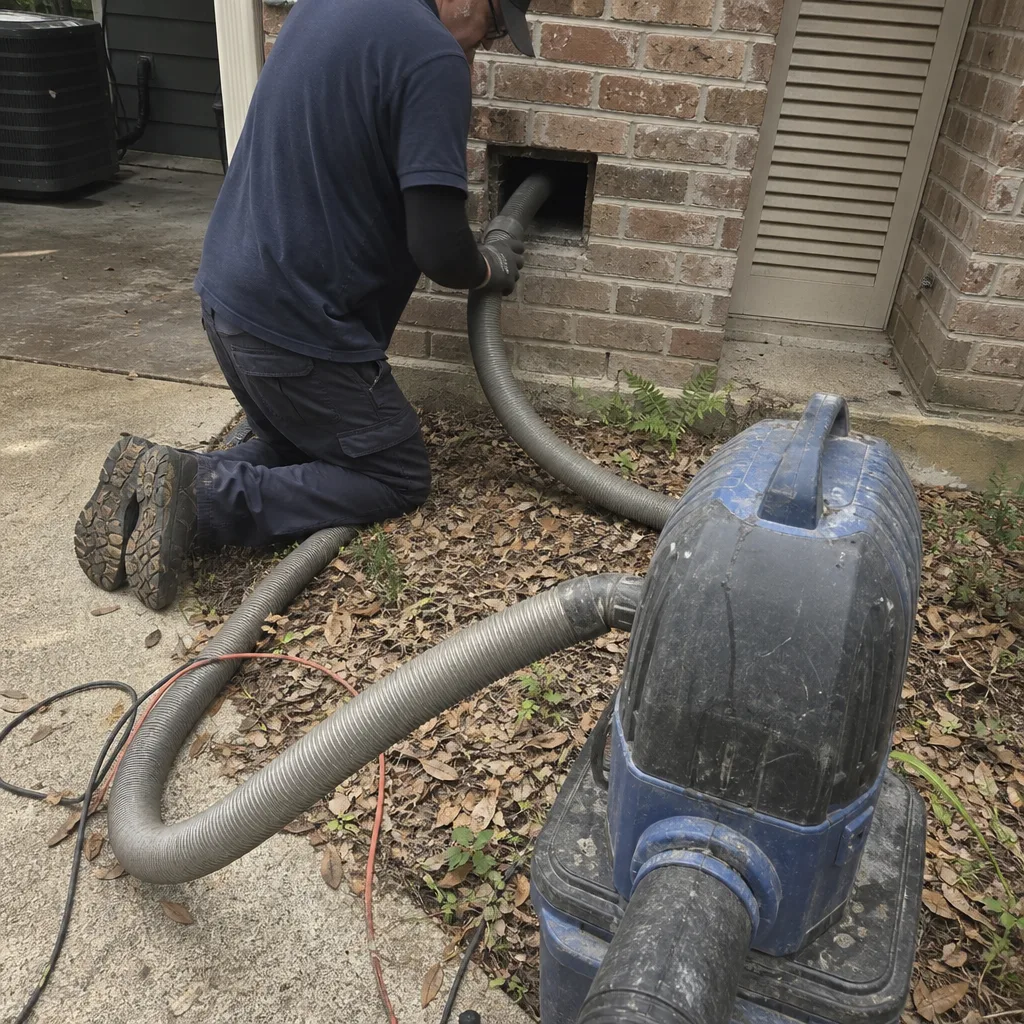 Before
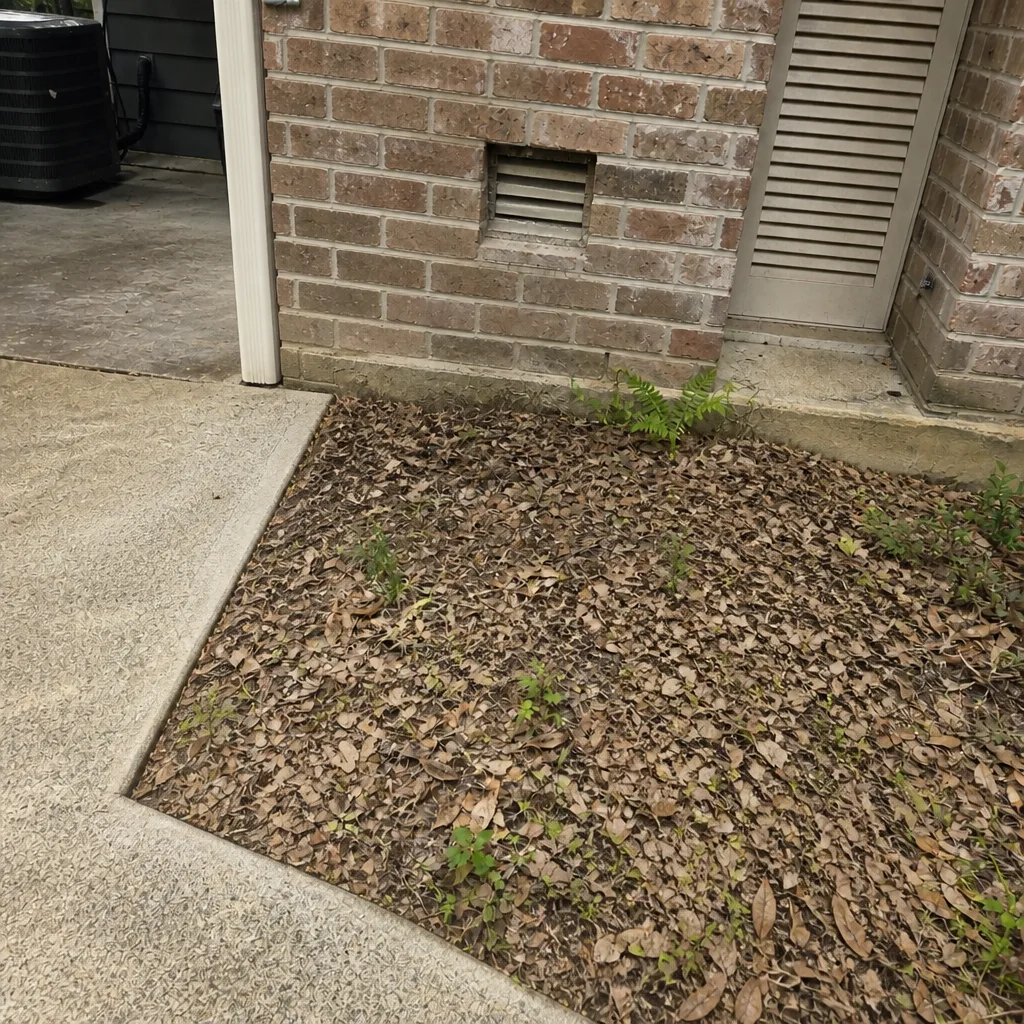 After
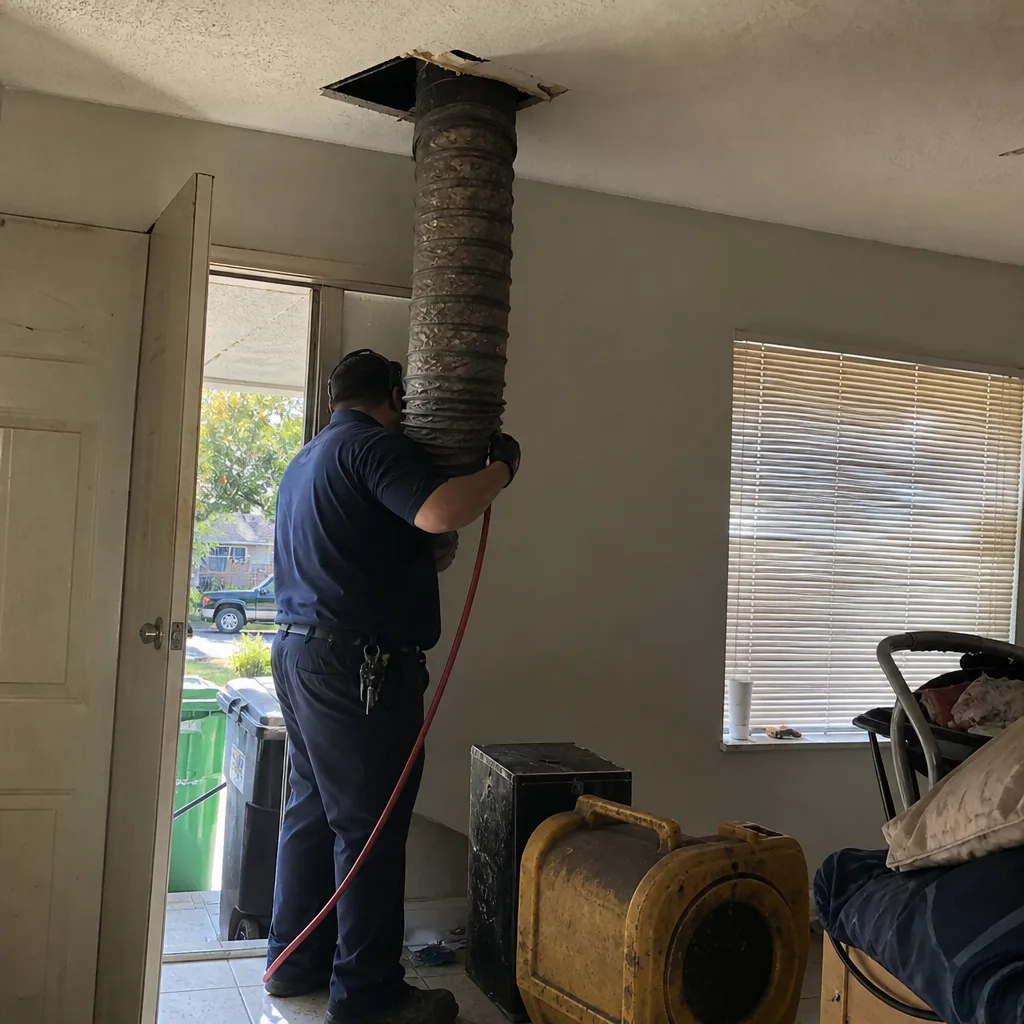 Before
 After
 Before
 After
When to Call a Professional
Call when the warning signs point at contamination or damage rather than surface dust. Specifically: an odor that appears when the system runs, a single room that never cools while the rest of the house is comfortable, filters loading faster than they used to, visible debris after a renovation, allergy symptoms that track with the home, energy bills climbing without an obvious cause, or any visible sign of a disconnect, tear, or pest entry. Those are the cases where an inspection or a cleaning or a repair actually moves the problem. For a walk-through and a written scope, we offer free estimates in Beaumont. Call (866) 935-2761. We answer 24/7. Fast dispatch from 7am to 7pm, Sunday through Friday.
Frequently Asked Questions
The clearest signals are odor from the vents, uneven cooling, filters loading fast, and symptom flares that track with the home rather than the outdoors. Visible dust on registers alone is a weaker signal because it’s a late-stage indicator. The most reliable way is a professional inspection that looks inside the ductwork instead of at the grille face. Call (866) 935-2761 for a free estimate. We answer 24/7.
The price depends on the size of the system, how many runs it has, and whether the job includes repair. We quote per system, not per vent, and the written estimate is what you pay. The reason some quotes look very low is that they’re often a simple air-wash pass with no mechanical brushing and no real containment. Our mechanical brush process with Rotobrush and restoration-grade Abatement Technologies equipment takes more time and yields a different result. Call (866) 935-2761 and we’ll walk you through the scope before you commit.
Cheaper quotes usually reflect a shorter process: air-only cleaning, no rotary brush, no negative-air containment, and often no inside-system inspection. That kind of job can look fine from the register and leave the interior buildup in place. Price isn’t the only variable; ask any contractor what equipment they use on the interior of the ducts and how they contain what they loosen. Call (866) 935-2761 for a scope and a written price.
Sometimes, but only when the cause is accumulation or a mild restriction. If the real problem is a disconnected or crushed duct or torn flex run, cleaning won’t fix it and repair will. Refrigerant charge and system sizing are the other common causes and duct work won’t touch those. An inspection is what separates the cases. Call (866) 935-2761 to schedule one.
Ask for before-and-after photos of your own ducts, not stock images. A crew that uses containment equipment should also show you what was captured and what was done on the interior surfaces, not just the grille faces. If a contractor can’t show you photos of your system, that’s a signal worth noting. Call (866) 935-2761 to book an evaluation.
There’s no fixed schedule that fits every home. Most recommendations hinge on the conditions in a specific house: pets, recent renovations, prior moisture events, cooking volume, and whether anyone in the household has allergies. A home with a recent drywall project needs a different interval than a quiet household with no pets. The better approach is to inspect when symptoms appear rather than follow a calendar. Call (866) 935-2761 to talk through your system.
The Bottom Line
The warning signs worth acting on are rarely the loud ones. Visible register dust is a late indicator; odor, uneven cooling, rapid filter loading, symptom flares that track with the home, and climbing summer bills are earlier and more specific. If a leak or a disconnect shows up in an inspection, repair comes before cleaning, and the two should be handled by one company rather than two. Our technicians have up to 14 years of experience reading these signals, and we work with restoration-grade equipment: Rotobrush mechanical brushing, Abatement Technologies containment, Nikro professional tools, and integration with Honeywell and Aprilaire whole-home air-quality systems. If any of the signals in this guide sound familiar, a walk-through is the cheapest next step. Call (866) 935-2761. We answer 24/7. Fast dispatch from 7am to 7pm, Sunday through Friday. Estimates are free, and the written estimate sets the price.
Written by the team at Beaumont Duct Cleaning.